What is a Plastic Sealing Machine and How Does it Work?
In the world of packaging, the Plastic Sealing Machine stands out as an essential tool. Dr. Emily Smith, a renowned expert in industrial sealing technologies, once said, "A Plastic Sealing Machine can enhance product life and reduce waste significantly." This insight underlines the machine's vital role in various industries, from food packaging to pharmaceuticals.
Plastic sealing technology uses heat or pressure to create secure seals. These seals ensure that products remain fresh and uncontaminated. Despite its reliability, not all sealing machines operate perfectly. Operators must pay attention to settings and materials used to avoid improper seals that can lead to product spoilage.
Understanding how a Plastic Sealing Machine works is crucial for maximizing efficiency. While many operators are trained, mistakes can happen. Training programs must continually evolve to meet industry standards and ensure safe operations. The balance between efficiency and caution is essential in this field.
What is a Plastic Sealing Machine?
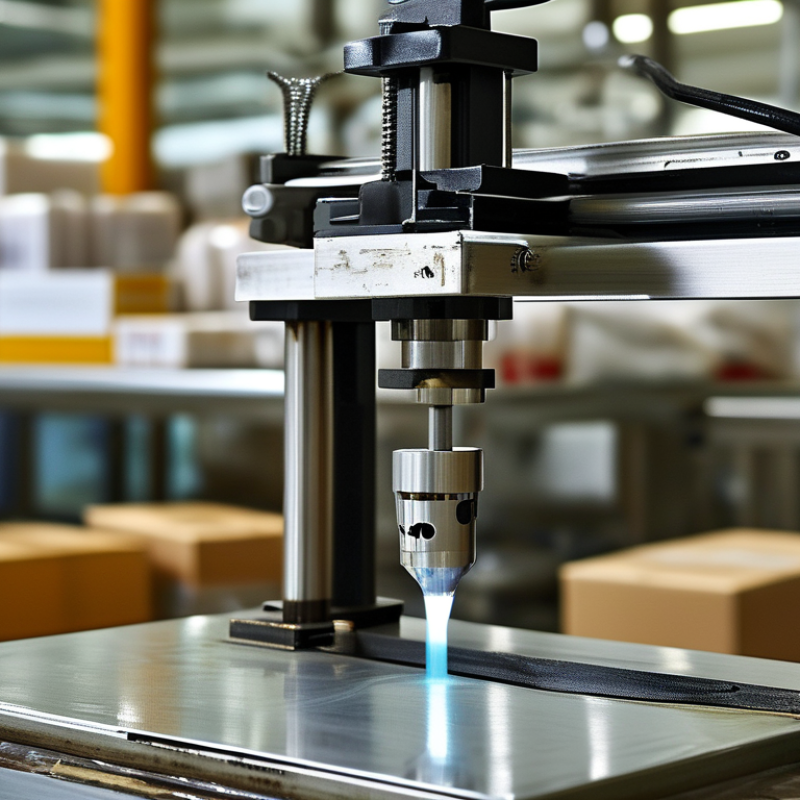
A plastic sealing machine is a device used to seal plastic packaging. It is commonly found in various industries, including food, pharmaceuticals, and electronics. The machine utilizes heat or pressure to bond the edges of plastic materials. This process ensures that products remain fresh and secure.
Operating a plastic sealing machine requires attention to detail. The temperature and pressure settings must be adjusted based on the type of plastic being used. Many users face challenges in achieving the right seal. If the settings are incorrect, the seal may be weak or incomplete. Experimentation can help in finding the appropriate balance.
Plastic sealing machines come in different sizes and designs. Some are manual, while others are automated. Each type has its advantages and disadvantages. While manual machines may be ideal for small businesses, automated ones can increase efficiency in larger operations. However, the initial investment for automated machines can be significant. Users should weigh these factors before making a decision.
What is a Plastic Sealing Machine and How Does it Work?
| Feature | Description |
| Type | Impulse sealing machine |
| Application | Packing food, medical supplies, and electronics |
| Power Supply | 220V / 50Hz |
| Sealing Speed | 0.5 to 10 meters per minute |
| Temperature Control | Digital temperature control for precise settings |
| Sealing Width | From 5mm to 15mm |
| Material Compatibility | Polyethylene, polypropylene, and other plastic materials |
| Safety Features | Automatic shutdown, overheating protection |
Types of Plastic Sealing Machines Available
Plastic sealing machines are vital tools in various industries. They ensure products are securely packaged to maintain freshness and prevent contamination. Several types of these machines are available, each designed for specific applications.
One common type is the impulse sealing machine. It works by applying heat to the plastic, sealing it quickly. This method is effective for lightweight materials. Another option is the continuous sealing machine, ideal for high-volume production. It operates by continuously feeding the packaging material through a heated sealing element, which applies pressure and heat simultaneously.
Vacuum sealing machines are also popular, especially for food packaging. They remove air from the package before sealing, extending shelf life. However, these machines may require regular maintenance to ensure optimal performance. Each type offers unique advantages but also challenges that users should consider. Selecting the right machine depends on specific needs, budget, and desired efficiency.
Key Components of a Plastic Sealing Machine
A plastic sealing machine is essential in packaging industries. It typically consists of key components that ensure effective sealing. The main parts include sealing bars, temperature controllers, and transport systems. These components work together to provide a reliable sealing process.
Sealing bars create heat through electrical resistance. They apply pressure to the plastic, melting it for a secure bond. Temperature controllers regulate the heat according to the material's specifications. Proper calibration is crucial for achieving strong seals. Research indicates that incorrect temperature settings can lead to 30% more defects in seal integrity. The transport system moves the packages smoothly, enhancing productivity.
Setting up a plastic sealing machine requires attention to detail. Incorrect alignment might cause uneven seals. Regular maintenance is key to prolonging the machine's lifespan. Operators should engage in routine inspections and follow manufacturer guidelines. Adopting these practices can minimize downtime and ensure consistent performance. Training staff properly improves seal quality, reducing waste and optimizing costs.
Plastic Sealing Machine Efficiency Analysis
How Does a Plastic Sealing Machine Operate?
A plastic sealing machine is a vital device in packaging. It ensures that products remain fresh and protected from contaminants. It primarily operates through heat sealing, where heat is applied to two plastic layers. This causes the plastic to melt at the edges, creating a secure bond once it cools. The process is straightforward yet essential for many industries like food, pharmaceuticals, and electronics.
When using a plastic sealing machine, operators must prepare the materials correctly. The machine settings, including temperature and pressure, must be adjusted based on the type of plastic. Failing to do so can lead to weak seals or damaged products. Regular maintenance of the machine is crucial too. Over time, heat elements can wear out, affecting performance. This aspect requires constant attention.
Understanding how to operate the machine effectively can reduce errors. Training for new operators is necessary to ensure safety and efficiency. It’s also worthwhile to review sealing results regularly. Mistakes can happen, and identifying them early can save costs and resources. This process demands both diligence and skill, making it vital for businesses to invest in proper training and equipment maintenance.
Applications and Benefits of Plastic Sealing Machines
Plastic sealing machines play a crucial role in various industries. They ensure products remain fresh and uncontaminated. In the food packaging sector, for example, 50% of food waste can be attributed to improper sealing. These machines are designed to create airtight seals, which significantly extend shelf life. According to a 2021 report by Smithers Pira, the global packaging market is expected to reach $500 billion by 2026, highlighting the importance of efficient sealing technologies.
In addition to food, plastic sealing machines are widely used in pharmaceuticals and electronics. In pharmaceuticals, the need for sterile packaging is paramount. Around 20% of drugs require specific sealing methods to prevent contamination. Each industry benefits from the precision and speed of these machines. Rapid technological advances have improved their efficiency, yet some operations still show room for improvement in terms of energy consumption.
While the benefits are clear, challenges exist. Companies must balance efficiency with sustainability. Many machines still rely on non-biodegradable materials. This raises questions about environmental impact. A shift toward eco-friendly options is necessary. Investing in research for sustainable solutions could elevate industry standards and reduce waste in the long run.