Top 10 Reasons to Choose Flat Flex Conveyor Belts for Your Business?
In the fast-paced world of manufacturing, efficiency is key. This is where the "flat flex conveyor belt" shines. Industry expert, John Smith, once said, “Flat flex conveyor belts provide unmatched versatility and reliability.” Businesses looking to optimize their production lines should consider the unique advantages these belts offer.
flat flex conveyor belts are known for their strength and durability. They are designed to handle various materials and withstand harsh environments. The open construction of these belts allows for effective drainage and air circulation. This quality enhances hygiene, particularly in food processing industries. Additionally, the flexibility of flat flex designs enables easy installation and maintenance.
However, not all flat flex conveyor belts are created equal. Choosing the right type can pose a challenge. Factors such as load capacity and material compatibility must be considered. There might be instances where the initial cost appears high, but the long-term benefits often outweigh these concerns. Ultimately, investing in flat flex conveyor belts can significantly enhance your operational efficiency and reduce downtime.
Benefits of Flat Flex Conveyor Belts in Material Handling Efficiency
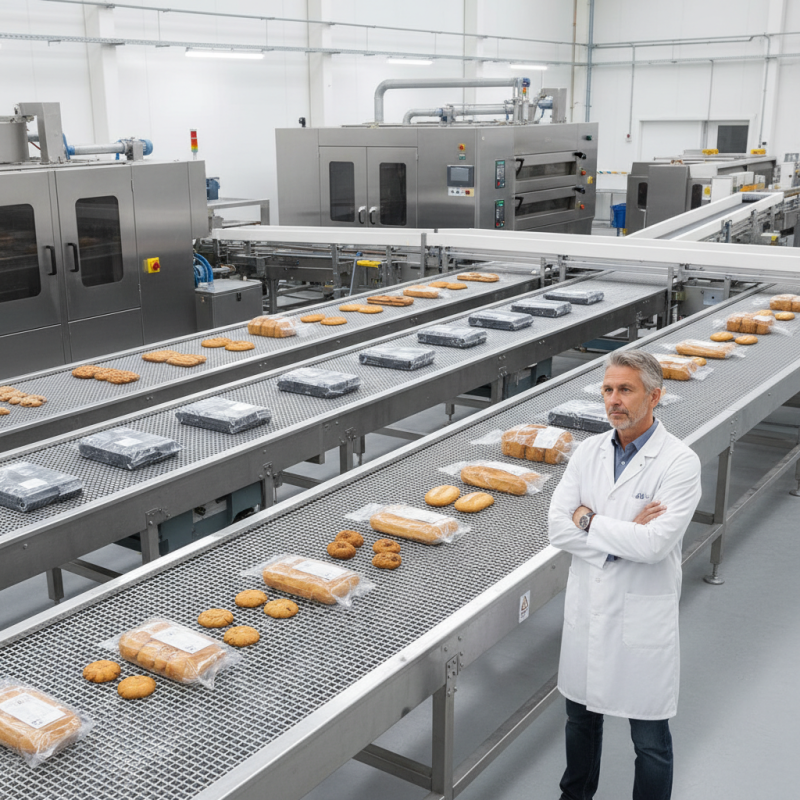
When considering material handling efficiency, Flat Flex Conveyor Belts excel in several areas. Their design allows for smooth product transfer, minimizing the risk of damage. The open construction promotes air flow, cooling hot items effectively. This feature is especially important in food processing and packaging industries.
Tips: Regular maintenance can maximize belt life. Ensure that the system is clean and free of debris. This simple action prevents wear and tear, which can lead to costly downtime.
Another benefit of Flat Flex belts is their adaptability to various product shapes. Whether handling irregular items or delicate packages, these belts provide flexible solutions. Their lightweight construction reduces the energy required for operation, enhancing efficiency in the long run.
Tips: When installing, pay attention to alignment. Misalignment can lead to uneven wear. Make periodic checks to ensure the system remains balanced for optimal performance.
Cost Analysis: Long-Term Savings with Flat Flex Conveyor Belts
Flat Flex conveyor belts are gaining popularity due to their cost-effectiveness. These belts are designed for durability, which translates into long-term savings. When businesses invest in quality materials, they often see a reduction in maintenance costs. Unlike traditional belts, Flat Flex designs can handle more weight over longer periods. This resilience means fewer replacements.
Choosing Flat Flex conveyor belts often leads to lower energy consumption. Their design reduces friction, enabling machinery to function more efficiently. This efficiency directly impacts operational costs, making it a wise investment. Calculating potential savings before purchase can reveal significant advantages over time.
Tips for choosing the right conveyor belt:
1. Assess the load requirements of your operation. This ensures you select a belt that meets your demands.
2. Consider the environment where the conveyor will operate. Harsh conditions may require more robust materials.
3. Regularly review your belt’s performance. This reflection can help uncover costs you didn’t anticipate. It’s essential to adapt and seek improvements.
Investing in Flat Flex conveyor belts may require more upfront money. However, businesses should evaluate the long-term financial benefits. Over time, savings can accumulate exponentially, making this choice feel more justified.
Top 10 Reasons to Choose Flat Flex Conveyor Belts for Your Business
| Reason | Description | Estimated Long-Term Savings (%) | Maintenance Frequency (Months) |
| 1. Durability | Designed for long-lasting use, reducing replacement costs. | 30 | 12 |
| 2. Versatility | Suitable for various applications, minimizing the need for multiple belt types. | 20 | 10 |
| 3. Hygienic Design | Easy to clean, reducing downtime in food and pharmaceutical applications. | 25 | 6 |
| 4. Lightweight Construction | Less energy required for operation, leading to lower utility costs. | 15 | 8 |
| 5. High Strength-to-Weight Ratio | Can handle heavy loads without additional support structures. | 18 | 12 |
| 6. Reduced Energy Consumption | Efficient operation translates into lower energy bills. | 22 | 15 |
| 7. Customizable Options | Tailored to fit specific business needs, reducing waste of unused features. | 20 | 9 |
| 8. Easy Installation | Quick setup results in less downtime during belt changes. | 12 | 3 |
| 9. Enhanced Safety Features | Lower risk of accidents due to smooth operation and reliable materials. | 15 | 10 |
| 10. Excellent Return on Investment | Overall cost savings from lower maintenance, energy, and downtime. | 35 | 12 |
Durability and Maintenance: Performance Metrics of Flat Flex Designs
Flat flex conveyor belts are gaining popularity in various industries due to their unique design and performance metrics. When it comes to durability, these belts can withstand harsh environments. They are made from strong materials that resist wear and tear, making them a long-lasting option. Maintenance is straightforward, which contributes to their appeal. Periodic cleaning and lubrication ensure they operate smoothly.
Tips for maintaining your flat flex belts include regularly inspecting for signs of wear. A quick visual check can reveal potential issues before they escalate. Keep the belts clean to prevent buildup that could hinder their performance. Using the right lubricants ensures they function efficiently.
Flat flex conveyor belts may need adjustments over time. It’s important to monitor their alignment and tension. Misalignment can lead to uneven wear, reducing their lifespan. Reflecting on the performance of these belts will help identify areas for improvement in your operations. Understanding their limitations is crucial for optimizing their use and enhancing productivity.
Versatility in Application: Industries Benefiting from Flat Flex Belts
Flat Flex conveyor belts are highly versatile, making them invaluable in various industries. Food processing is one key area benefiting from these belts. They allow for efficient movement of products, such as baked goods or meats, without compromising hygiene. The open design of Flat Flex belts facilitates quick cleaning, which is crucial in food applications.
In the packaging industry, these belts excel in transport stability. They can handle different product sizes and weights with ease. The adaptability of Flat Flex belts is evident in their use for packing, sorting, and assembly tasks. However, the effectiveness of these belts depends on the correct specifications. Choosing the wrong belt size or material can lead to inefficiencies.
Another area where Flat Flex conveyor belts shine is in the automotive sector. Their durability supports heavy loads during assembly processes. This reduces downtime and enhances workflow. Yet, companies must evaluate their unique needs carefully. Factors like temperature and chemical exposure can impact performance. Balancing these aspects is essential for maximizing benefits.
Impact on Productivity: Data on Throughput Improvements with Flat Flex
Flat flex conveyor belts have become increasingly popular in various industries for several compelling reasons. One key aspect is their impact on productivity. Data shows that businesses using these belts can experience significant throughput improvements. Streamlined operations allow for higher efficiency, reducing downtime in production processes. This is vital as every second counts in a competitive marketplace.
Implementing flat flex conveyor belts often means fewer jams and smoother transfers. This results in a consistent flow of goods, leading to enhanced productivity. Companies report up to a 30% increase in throughput thanks to the design of these belts. They offer greater flexibility in handling different product sizes, which is essential for dynamic manufacturing environments.
Tips for successful implementation include regular maintenance checks. Ensure the pulleys and belts are aligned correctly, as misalignments can reduce efficiency. It’s essential to train staff on operational best practices. This minimizes errors and maximizes the benefits of these conveyor systems. An initial investment might seem daunting, but the long-term benefits in productivity often outweigh the costs. Keeping an open dialogue about challenges encountered in using these belts can lead to continuous improvements.