What is Retail Store Led Screen Benefits and Features?
In today's retail landscape, the use of a Retail Store Led Screen has become increasingly popular. These vibrant displays not only capture customer attention but also enhance the shopping experience. Retailers can showcase promotions, new arrivals, and brand stories in a dynamic way. The bright visuals and engaging content can create an inviting atmosphere.
However, the effectiveness of a Retail Store LED Screen isn't guaranteed. Choosing the right location, content, and screen size is crucial. A poorly placed screen might go unnoticed, while irrelevant content can lead to customer disengagement. Retailers should consider data analytics to measure the impact, ensuring the display aligns with customer preferences.
Ultimately, the benefits of a Retail Store LED Screen lie in its ability to inform and engage customers. Yet, its potential must be managed carefully. Continuous testing and adaptation are necessary to realize the full advantages. This makes it an evolving tool, one that requires thoughtful planning and execution.
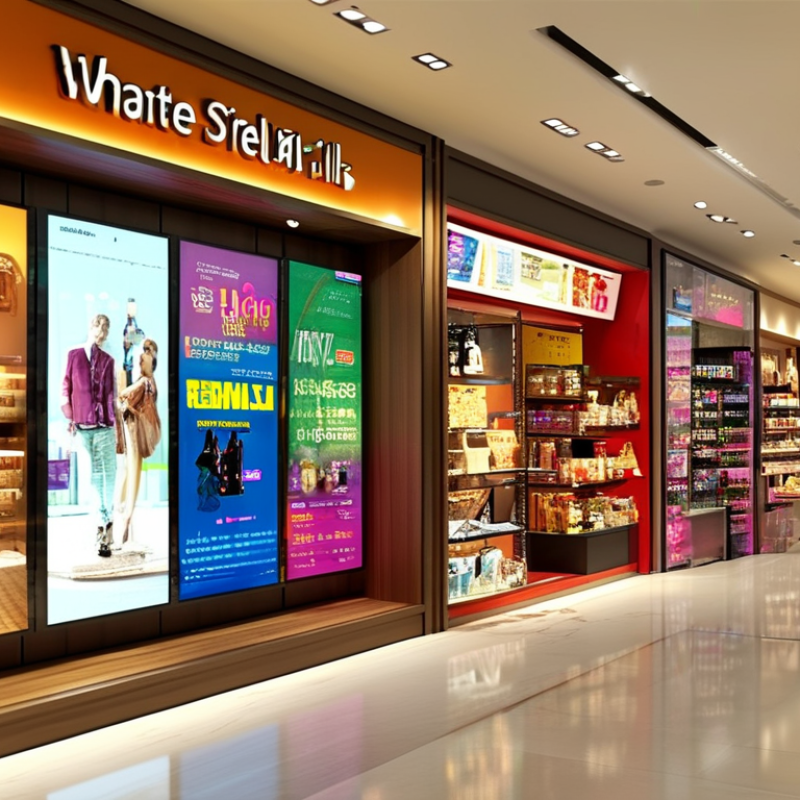
Overview of Retail Store Led Screens
Retail store LED screens have become an essential tool for modern businesses. These displays provide vibrant visuals that attract customers. According to a report from MarketsandMarkets, the digital signage market is expected to reach $31.71 billion by 2025. This growth highlights the increasing adoption of LED screens in retail environments.
LED screens offer several advantages. They have high brightness and clarity, ensuring visibility in various lighting conditions. Retailers can display dynamic content, such as promotions or new arrivals. Studies show that vivid imagery can increase foot traffic by up to 58%. Additionally, LED screens consume less energy compared to traditional displays, making them a more sustainable choice.
However, integrating LED screens can be challenging. Some retailers may struggle with content creation or maintenance. It is essential to develop a clear strategy for using these screens effectively. Brands should evaluate their specific needs and goals, ensuring that the chosen display solution aligns with their overall marketing efforts. Even with the advantages, ongoing investment in training and technology is crucial for success.
Key Benefits of Using Led Screens in Retail
LED screens are transforming the retail landscape. According to a report by MarketsandMarkets, the global digital signage market is expected to reach $32.84 billion by 2025, with LED screens playing a pivotal role. These screens attract customers’ attention, leading to increased dwell time and higher sales conversions.
The primary advantage of LED screens in retail is their vibrant visual appeal. Research shows that colorful displays can boost engagement by up to 80%. Additionally, LED screens offer flexibility. Brands can alter messages in real time, ensuring promotions stay relevant. This adaptability reduces printing costs and effort associated with traditional displays.
However, it’s important to note that not all customers respond positively to digital signage. Some find excessive screens distracting. Retailers need to balance visual stimulation with a pleasant shopping experience. Too many screens may overwhelm shoppers, detracting from the store's ambiance. A thoughtful display strategy is crucial for maximizing effectiveness.
Features of Retail Store Led Screens
Retail store LED screens offer numerous features that enhance the shopping experience. These screens are vibrant and eye-catching, capturing customers' attention effortlessly. They can display dynamic content, which keeps the store environment engaging. The ability to change messages quickly is a significant advantage. This flexibility allows retailers to promote sales or new products in real-time.
Another vital feature is high visibility. LED screens are designed for bright environments, ensuring visibility even under direct sunlight. This characteristic is particularly beneficial for outdoor displays. Energy efficiency is also notable. Modern LED screens consume less power compared to traditional displays, which can reduce operational costs. However, it’s essential to balance brightness levels to avoid glare, which can deter customers.
Content management systems further enhance usability. Retailers can schedule and update content remotely, making it convenient. Yet, this requires a robust internet connection and ongoing maintenance, which some businesses might overlook. Displaying high-quality visuals is critical, but poor content can leave a negative impression. Regularly refreshing content is necessary to keep the audience engaged and interested. Overall, retail store LED screens come with compelling features, but thoughtful implementation is key.
Benefits of Retail Store LED Screens
Impact on Customer Engagement and Sales
Retail store LED screens have become crucial in enhancing customer engagement. These vibrant displays attract attention instantly. They showcase promotions, product information, and dynamic visuals. Customers are drawn to interactive elements and captivating graphics. Engaging content increases the time shoppers spend in the store.
Sales often rise as customers feel a connection through visual storytelling. A well-placed screen can create an immersive shopping experience. However, not all implementations succeed. Poorly designed content or placement can lead to distraction. Store owners must carefully evaluate their strategy. Testing different displays helps refine engagement efforts.
Incorporating LED screens requires investment and planning. They must align with the store's ambiance and target audience. Balancing flashiness with clarity is key. Sometimes, less is more; simple messages can have a strong impact. Regular updates to the content are necessary for sustained interest. Overall, while LED screens offer significant benefits, challenges exist that prompt retailers to rethink their approach continuously.
Best Practices for Integrating Led Screens in Retail Spaces
Integrating LED screens into retail spaces offers a powerful way to enhance customer experience. These screens can display vibrant visuals, promotions, and information in real-time. To effectively use LED screens, one should focus on strategic placement. Positioning screens at eye-level ensures maximum visibility. High traffic areas like entrances and checkout counters are ideal spots. The right location increases engagement and draws attention.
Content is equally important. Retailers should update visuals regularly to keep the display fresh. Stale content can lead to disengagement. Incorporating interactive elements can boost customer interaction. However, striking a balance is crucial. Too much information may overwhelm customers. Clarity and simplicity are key.
Security is another consideration. Ensure screens are secured to prevent theft or damage. Regular maintenance is vital to keep screens operational and looking their best. It’s worth reflecting on how technology can align with the brand’s identity. Authentic integration of LED screens can lead to immersive environments. This fosters a connection with customers, ultimately enhancing brand loyalty.