Top Self Drilling Screw Buying Guide for Global Importers?
When it comes to construction and manufacturing, choosing the right fasteners is crucial. Self Drilling Screws are a popular choice due to their efficiency and versatility. These screws eliminate the need for pre-drilling, saving both time and labor costs. As global importers, understanding the nuances of Self Drilling Screws can dramatically affect project outcomes.
A variety of factors come into play when selecting Self Drilling Screws. Material type, coating, and size are key considerations. The right screw not only enhances durability but also ensures safety in applications. Importers must also evaluate the supplier’s credibility. A reliable supplier can offer insights and guidance that enhance purchasing decisions. It's essential to ask the right questions and avoid assumptions that could lead to mistakes.
Despite their advantages, Self Drilling Screws are not without their challenges. Importers should be aware that not all screws are created equal. Quality may vary significantly between manufacturers. It’s important to do thorough research and seek recommendations. Balancing cost and quality is a common dilemma in the buying process. The journey of selecting the perfect Self Drilling Screw requires careful thought.
Essential Features to Consider When Buying Self Drilling Screws
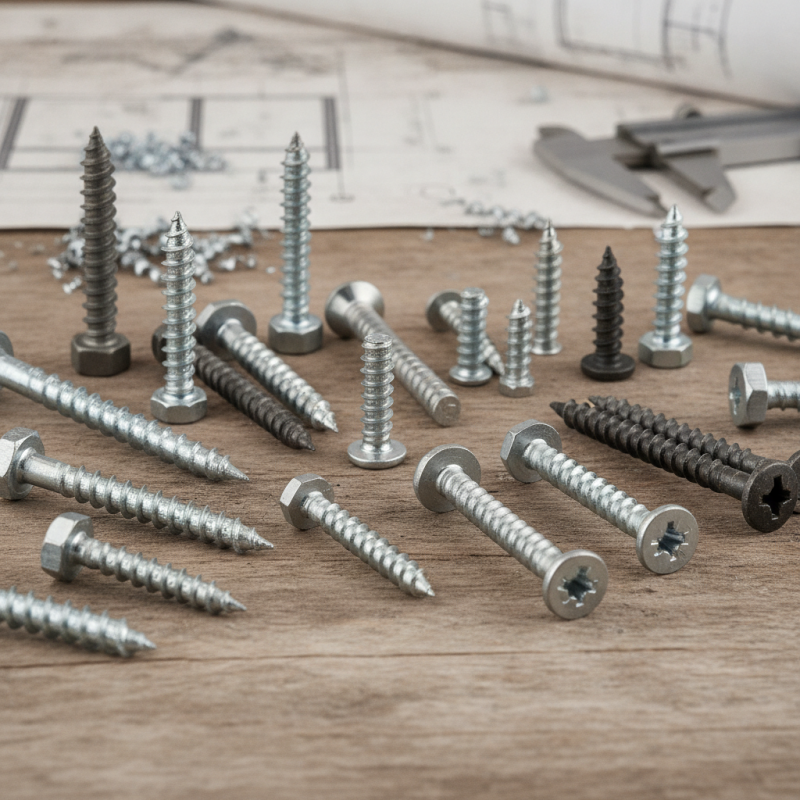
When buying self-drilling screws, certain features matter greatly. Understanding your material is essential. For instance, the thickness of the metal or wood you'll be working with influences the type of screw needed. Ensure the screw length matches the material thickness for optimal hold. It can impact your project’s overall strength.
The screw's head type also plays a significant role. Options like flat, pan, or hex are common. Each type serves a different purpose and offers various levels of grip and fit. Flat heads, for example, allow for a flush finish. However, they might not provide as much torque.
Consider the finish of the screws. Coatings like zinc or black oxide enhance rust resistance. If you're working in a moist environment, this is crucial. Remember, these details can make a difference. It’s worth taking time to compare options. Reviews from other users might also guide you. Just don’t overlook your project’s specific needs.
Self Drilling Screws: Essential Features Comparison
Types of Self Drilling Screws and Their Applications for Importers
When exploring self-drilling screws, it’s crucial to understand their various types and applications. Self-drilling screws are made to penetrate materials without a pre-drilled hole. They come in several forms, tailored for specific tasks. For instance, galvanized screws resist rust, making them ideal for outdoor projects. Meanwhile, those with a sharp tip are well-suited for softer materials like wood.
Different projects require different screw types. Some applications demand fine-thread screws for better grip in thin metals. Coarse-thread screws work well for thicker materials, ensuring strong connections. Using the right screw type enhances durability. It is vital to assess the environment and material before making a choice. Selecting wrongly might lead to structural failures or increased costs.
Importers need to be aware of quality variations among suppliers. Consistent quality is crucial to project success. Evaluate the technical specifications and compatibility with various materials. Each screw type has nuances that can affect performance. Understanding these differences can prevent future issues and ensure reliability in your projects.
Key Material Specifications for High-Quality Self Drilling Screws
When selecting high-quality self-drilling screws, material specifications play a crucial role. Common materials include carbon steel, stainless steel, and alloy steel. Carbon steel screws offer strength and toughness. However, they may corrode over time without proper coating. Stainless steel screws, on the other hand, provide excellent corrosion resistance. They are ideal for outdoor or humid applications. Alloy steel screws combine strength and durability. Yet, they require careful handling to prevent rusting.
According to the Industrial Materials Handbook, the tensile strength for these screws typically ranges from 44 to 80 ksi. It’s essential to ensure the screws' hardness meets application needs. A screw that is too hard may become brittle, while one that is too soft may deform under stress.
Coating choices significantly impact performance as well. Zinc plating is common for corrosion resistance but might not withstand extreme conditions. A more durable option is ceramic coating. However, these coatings can increase costs. Importers should carefully balance price and quality. Understanding these material specifications can greatly enhance product selection and application suitability. Managing expectations is critical too. Even high-quality screws can fail if not matched correctly to their intended use.
Understanding Import Regulations and Standards for Screws Globally
When importing self-drilling screws, understanding global regulations is crucial. Different countries have specific standards regarding the materials and manufacturing processes. Compliance with these regulations ensures safety and quality. Familiarize yourself with ISO standards, as they are widely recognized.
Tips: Always verify the specifications with local authorities. Challenge your suppliers to provide documentation. This helps in addressing potential discrepancies early in the process.
Some markets may require specific certifications. Research local import regulations, including safety and environmental criteria. A lack of awareness could lead to costly delays or rejections at customs.
Tips: Maintain clear communication with your shipping partner. Prepare necessary paperwork ahead of time. Anticipate obstacles that may arise during transit.
Navigating the complexities of import regulations can be daunting. A misguided assumption about paperwork can lead to import issues. Continuous learning and adapting are key to successful importing practices.
Tips for Sourcing Reliable Suppliers and Manufacturers of Screws
When sourcing self-drilling screws, reliable suppliers are essential. Quality screws enhance product durability and performance. According to a recent market report, the global screw industry is projected to grow at a CAGR of about 4.5% over the next five years. This growth underscores the demand for reliable manufacturing partners.
Importers should evaluate potential suppliers based on their production capacity and certifications. A manufacturer’s compliance with ISO standards often indicates their commitment to quality. However, not all manufacturers meet these stringent requirements consistently. It’s critical to verify their credentials carefully and conduct audits when possible. Requesting samples is equally important. It helps assess the quality and suitability of the screws.
Furthermore, price should not be the only factor in supplier selection. While it may be tempting to choose the lowest bidder, this can lead to reduced quality. In fact, a study showed that low-quality screws can increase failure rates by up to 30%. Importers should balance cost with quality and reputation to mitigate risks.