What is Steel Hinges and How to Choose the Best Options?
Steel hinges play a crucial role in various applications. They provide the necessary support and functionality for doors, gates, and cabinets. Choosing the right steel hinges is essential for durability and performance. With an overwhelming variety available, the selection process can feel daunting.
In the world of construction and hardware, understanding the specifics of steel hinges is vital. Factors like load capacity, material quality, and design all contribute to the overall effectiveness. It’s not just about aesthetics; functionality matters immensely. A poor choice can lead to operational failures or costly repairs, highlighting the need for careful consideration.
Reflecting on past choices can reveal a lot. Sometimes, consumers prioritize style over strength, leading to regrets later. Rethinking these decisions helps ensure long-term satisfaction. It’s important to weigh every aspect, including budget and application needs. Crafting a detailed plan before purchasing can save time and money in the long run. The right steel hinges will enhance performance and extend the lifecycle of your installations.
What Are Steel Hinges?
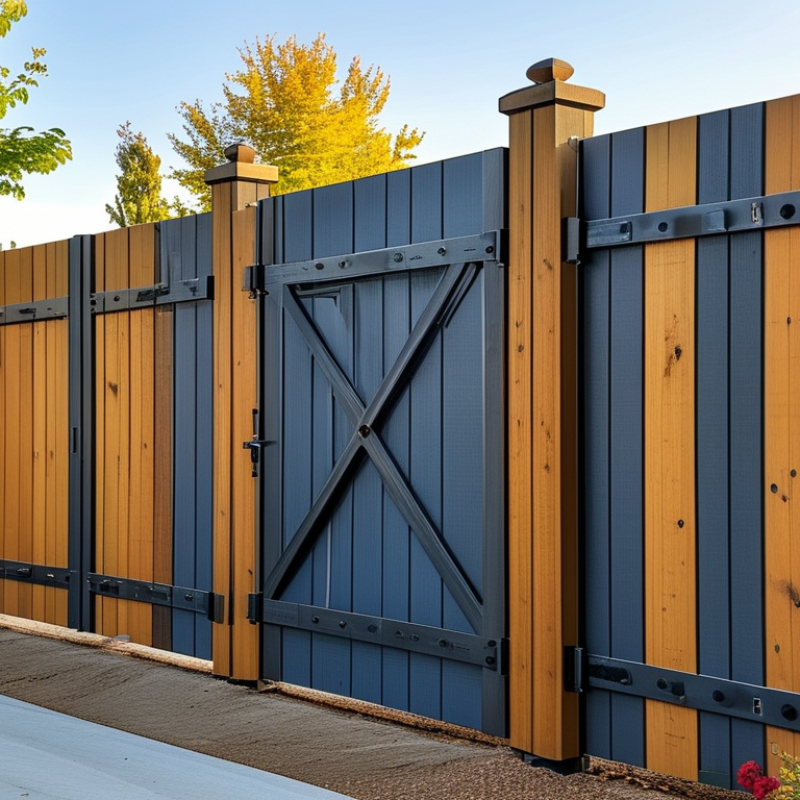
Steel hinges are essential components in various door and gate applications. They provide the necessary support and functionality to ensure smooth operation. Made from durable materials, steel hinges are known for their strength and resistance to wear and tear. This quality makes them ideal for both residential and commercial uses.
When selecting steel hinges, consider factors such as weight capacity and rust resistance. Heavy doors require robust hinges that can bear the load without bending. Additionally, exposure to moisture can lead to rust, so choosing corrosion-resistant options is crucial. Aesthetics also play a role; some prefer a sleek finish while others might opt for a more rugged look.
Not all hinges are created equal. Some may not function properly if overloaded or installed incorrectly. Ensuring proper alignment during installation is vital for performance. If the hinges squeak or feel loose, they may need lubrication or replacement. These small details often determine the effectiveness of your hinge choice. Consider your specific needs before making a decision.
Types of Steel Hinges Available in the Market
Steel hinges are widely used in various applications. They offer durability and strength, making them suitable for heavy doors and equipment. Several types of steel hinges are available in the market, each designed for specific needs.
One common type is the butt hinge. It consists of two plates and a pin, allowing for smooth motion. These hinges are versatile and can support significant weight. Another option is the continuous hinge, or piano hinge. This style runs the entire length of the door or lid, providing increased stability. It’s ideal for large doors or gates, as it distributes the weight evenly.
For outdoor applications, weatherproof steel hinges are available. They resist rust and corrosion. These hinges are perfect for garage doors or garden gates. No matter the choice, consider the load capacity and environment. Your selection should match the specific requirements of your project.
Factors to Consider When Choosing Steel Hinges
When choosing steel hinges, there are several key factors to consider. The material quality is critical; look for high-grade steel that offers durability and corrosion resistance. The size of the hinge must match the door or gate it supports. A hinge too small may bend, while one too large can be unsightly. Design also matters; decorative styles can enhance aesthetic appeal, serving functional needs.
Tips: Think about the load-bearing capacity. Heavier doors require robust hinges. Assess the pivot point position for smoother operation.
Another important factor is the finish. Steel can rust if not properly treated. Consider hinges with a protective coating or galvanization. The environment plays a role too. Wet or humid areas need rust-resistant options. If unsure, consulting an expert can provide clarity.
Remember, installation impacts performance. Make sure hinges are installed correctly to avoid future issues. A misalignment can lead to premature wear. Revisit your choice if things don't seem right. Take time to evaluate all these aspects to find the best fit for your project.
How to Properly Install Steel Hinges
When it comes to installing steel hinges, precision is key. Begin by gathering your tools: a drill, screwdriver, and measuring tape. Mark where the hinges will go on both the door and the frame. Ensure you have the proper alignment. This step can be tricky. Misalignment leads to issues. Double-check your measurements before making any cuts.
Next, pre-drill holes for the screws. This helps prevent the wood from splitting. Use screws that match the hinge size. Be mindful of the hinge's weight capacity as well. A hinge that is too weak will fail over time. Ensure the hinge is flush with the door and frame. This supports a smooth operation.
Finally, fix the hinges in place with screws. Tighten them securely, but avoid over-tightening, as this can strip the holes. Test the door’s movement. If it binds or does not close properly, reassess the installation. Small adjustments may be necessary for a perfect fit. Remember, every installation presents its challenges. Embrace these moments as opportunities to improve.
Maintaining Steel Hinges for Longevity and Performance
Steel hinges are pivotal for the durability and functionality of doors and cabinets. To ensure they last, maintaining these hinges is crucial. A recent industry report indicates that nearly 30% of hinge failures stem from neglect. Regular maintenance can significantly enhance their lifespan and performance.
Routine inspections should be conducted every six months. Look for signs of rust or corrosion. These issues can lead to hinge malfunction. When rust is spotted, immediate action is needed. Cleaning hinges with a mild detergent can remove dirt. Following this, apply a silicone-based lubricant for smoother operation. Regular lubrication can prevent friction and wear.
In industrial settings, the load and usage frequency dictate maintenance schedules. Heavy-duty hinges might require more frequent checks. Additional support hardware may be necessary for optimal performance. Often, overlooked maintenance can lead to costly replacements. Understanding the specific environment and usage can aid in developing a proactive approach to hinge care. Consistent evaluation will ensure that hinges remain reliable and functional over time.