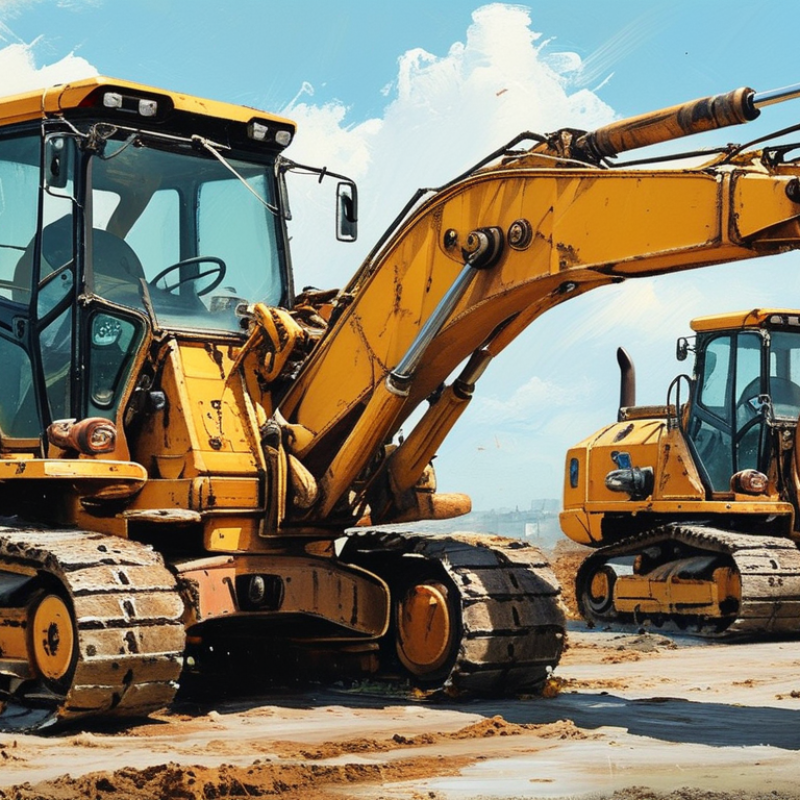
Ultimate Tips for Buying Used Domestic Wheel Loaders?
When searching for a Used Domestic Wheel Loader, understanding key aspects is critical. These machines are essential for various construction and agricultural tasks. However, the market is flooded with options. It can be overwhelming to decide the best choice.
Quality should be a priority when looking at used domestic wheel loaders. Each model comes with its own set of specifications and features. It's vital to assess the history of the equipment. Many buyers overlook crucial maintenance records. Neglecting this may lead to costly repairs down the road.
Inspecting the loader physically is a must. Look for signs of wear and tear. Be wary of loaders that seem too good to be true. This diligence can help avoid unexpected issues. Ultimately, knowledge and careful consideration pave the way for a smart investment.
Essential Factors to Consider When Buying Used Wheel Loaders
When considering the purchase of used domestic wheel loaders, several essential factors come into play. Begin by evaluating the machine's overall condition. Inspect for signs of wear on the tires, undercarriage, and hydraulic systems. Pay attention to any unusual noises when operating the loader. This could indicate underlying issues that may not be immediately visible.
Another critical aspect is the loader's service history. A well-documented service record can provide insights into how the machine has been treated. Machines that have undergone regular maintenance tend to be more reliable. Don't hesitate to ask for detailed records of repairs and service intervals. However, keep in mind that even a well-maintained machine can have flaws.
Additionally, consider the loader's age and hours of operation. A machine that seems newer but has excessive hours may be more prone to failure. Conversely, an older model with fewer hours might be a hidden gem. Weigh these factors carefully before making a decision. Remember, buying used equipment involves risks, and thorough research will help mitigate those concerns.
How to Assess the Condition of a Used Wheel Loader
When assessing a used wheel loader, the condition is paramount. Start by checking the engine for leaks and unusual noises. A clean oil dipstick can indicate proper maintenance. Look for rust or dents on the body, which may suggest heavy use or neglect. The tires should have even wear and adequate tread. Uneven wear can flag alignment issues or a troubled past.
Tip: Inspect the hydraulic system for smooth operation. Test the lift arms and ensure they move fluidly. Leaky hoses can indicate poor upkeep. Don't skip the cab area. A well-maintained cab shows the previous owner cared for the machine. Test all controls to confirm functionality.
Pay attention to the hours logged on the machine. High hours can mean more wear. However, a lower hour count doesn't always equate to better condition. It's essential to evaluate how the machine was used. A loader used for light tasks may be in better shape than one that handled heavy lifting. Reflect on these points to make an informed decision.
Understanding Maintenance History and Its Importance
When buying used domestic wheel loaders, understanding the maintenance history is crucial. A well-documented maintenance record can reveal how well the machine has been cared for. Regular oil changes, filter replacements, and scheduled services indicate a responsible owner. Look for records that detail any major repairs or component replacements. Machines that have undergone significant wear may not be worth the investment, even if they look good on the surface.
Inspect the loader for signs of neglect. Check for oil leaks, rust, and unusual wear on tires or tracks. These may hint at a lack of maintenance. Often, machines that have been mismanaged can lead to costly repairs down the line. A thorough understanding of the maintenance background gives you leverage in negotiations.
Engaging with the previous owner can provide insight into the machine's operation conditions. Ask questions about the types of jobs it performed and how often it was used. This can uncover potential issues you might not see during your inspection. Maintaining a skeptical mindset can help you avoid a regrettable purchase. Always trust your instincts when something feels off.
Ultimate Tips for Buying Used Domestic Wheel Loaders
| Criteria | Details |
| Maintenance History | Verify the records of regular service, oil changes, and parts replacements. |
| Hours of Operation | Look for loaders with lower operating hours to ensure longevity. |
| Inspection Reports | Check for any recent inspection reports for wear and tear issues. |
| Previous Users | Gather information on who used the loader and how it was used (e.g., construction, landscaping). |
| Accident History | Determine if the loader was involved in any accidents that could impact its performance. |
| Condition of Tires | Inspect tires for tread wear and proper inflation. |
| Hydraulic System | Check for leaks and test the responsiveness of the hydraulic controls. |
| Frame and Chassis | Inspect for structural integrity and signs of rust or damage. |
| Price Comparison | Research market prices to ensure you are getting a fair deal. |
Evaluating the Loader's Specifications and Capabilities
When evaluating the specifications and capabilities of used domestic wheel loaders, focus on key details. Start with the loader's operating weight. This impacts stability and power. A heavier loader can lift more but may be less mobile. Next, consider the bucket capacity. Larger buckets mean fewer trips to empty loads, enhancing efficiency on the job site.
Tips: Always check the loader's hours of operation. High usage can indicate wear and tear. Inspect the hydraulic system for leaks or malfunctions. A faulty hydraulic system can dramatically increase your repair costs. Talk to previous owners to understand the loader's history. Did it face harsh conditions? Knowing its past can inform your decision.
Next, observe the condition of the tires. Worn tires can affect safety and performance. Examine the undercarriage for rust or damage. This can signal poor maintenance. Performance capabilities, such as speed and maneuverability, should also be tested. Take the loader for a spin. A loader with unpredictable handling may require additional training or adjustment.
Tips for Negotiating Price and Arranging Financing Options
When negotiating the price of a used domestic wheel loader, preparation is key. Research current market values to have a solid reference point. Reports from industry experts indicate that prices can vary by as much as 25% based on condition and age. Inspect the loader thoroughly. Maintenance records can reveal hidden costs. Don’t shy away from asking about previous repairs. This discussion can help you negotiate a better deal.
Financing options are another critical consideration. According to recent studies, around 60% of buyers rely on financing to make their purchase. Evaluate different lenders and terms. Compare interest rates and loan duration. A small difference in rates can significantly impact your overall payment. Consider a down payment as leverage in negotiations. It can reduce monthly payments, allowing more flexibility in budgeting.
Be prepared for potential pitfalls. Economic fluctuations can affect machinery value. If the loader has excessive wear, it may require immediate repairs. Always negotiate with an understanding of the loader's real worth. Recognizing your limits is vital. Trust your instincts but remain open to adjustments. This mindset will help you secure a fair deal while avoiding financial strain.