Top Tips for Buying a Vertical Parking System For Sale
When it comes to selecting a Vertical Parking System For Sale, expertise is crucial. Many options exist, but not all are reliable. You need to understand the features and specifications that truly matter. A well-designed vertical parking solution can significantly optimize available space in urban environments. It’s not just about parking cars; it’s about enhancing accessibility and efficiency.
Consider the difference between various systems available on the market. Some boast advanced technology, while others may lack essential safety features. Research is vital. Customer reviews can provide insights, but they may also be misleading. Look for systems that have stood the test of time and have a proven track record. Also, inquire about warranty and support options.
While several vertical parking systems may look appealing, they might not suit your specific needs. An in-depth assessment of your parking requirements is necessary for a sound investment. Ensure that you don't rush into a decision; take the time to weigh the pros and cons. With the right approach, you can find a Vertical Parking System For Sale that not only meets your expectations but also offers long-term benefits.
Understanding Vertical Parking Systems: An Overview
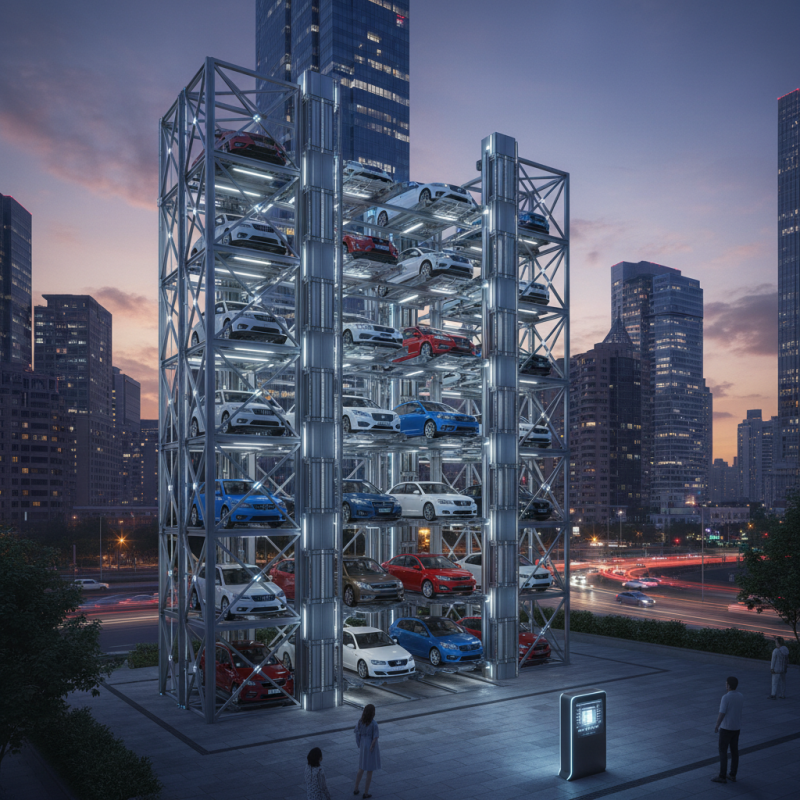
Vertical parking systems offer a modern solution to urban parking challenges. These systems maximize space efficiency, accommodating more vehicles in less area. According to a report by the International Parking Institute, traditional parking lots can lose up to 35% of space to drive aisles. In contrast, vertical systems can increase parking density by 60%. This is particularly beneficial in densely populated cities where real estate is expensive.
Understanding how vertical parking systems work is crucial for potential buyers. They typically utilize mechanical lifts to stack vehicles vertically. Many models are designed to reduce energy use and provide user-friendly interfaces. A study by the National Parking Association states that advancements in technology have reduced wait times by up to 50%. However, it is essential to consider maintenance needs, as these systems can be complex and may require specialized service.
Not every building is suitable for vertical systems. Structural assessments may reveal unexpected challenges. Prospective buyers should weigh the cost versus the potential savings in space and efficiency. Not all systems offer the same level of durability or flexibility. Researching warranties and customer experiences can provide deeper insights. Remember, choosing the right system requires careful consideration of these factors.
Key Features to Look for in Vertical Parking Systems
When considering a vertical parking system, key features are crucial to ensure efficiency and reliability. A recent industry report indicated that over 60% of urban developers cite space constraints as a major issue. This makes a compact design essential for maximizing available space. Suitability for various vehicle sizes is also important. Look for systems that can accommodate sedans, SUVs, and even electric vehicles, offering flexibility.
Safety features should not be overlooked. The same report highlighted that around 30% of users prioritize safety mechanisms like emergency stop buttons and fire detection systems. Reliable sensors that prevent collisions could significantly reduce accidents in busy environments. Additionally, consider the speed of operation. A system that operates quickly can improve turnover rates, making it more efficient for busy urban areas.
Regular maintenance is necessary, so check for accessibility to components. Systems that allow easy access for repairs tend to have lower long-term costs. Owners should also reflect on power consumption. While energy-efficient systems are preferable, some might have higher initial costs. This trade-off requires careful evaluation based on specific usage requirements. Balancing these factors will lead to an informed decision.
Key Features to Consider in Vertical Parking Systems
Assessing Your Space Requirements for Parking Systems
When considering a vertical parking system, assessing space requirements is crucial. Many overlook this step. Understand the area you have. Measure ceiling height and available square footage. These details impact your options significantly.
Here are some tips to guide you. First, visualize the layout. Sketching can help clarify your needs. Consider how many vehicles you typically park. Don't forget to account for pedestrian traffic. Safety is key; ensure pathways are user-friendly.
Evaluate the structural integrity of your building. Sometimes, retrofitting may be necessary. Consulting a structural engineer can help prevent costly mistakes. Ask yourself if the design complements your space. Aesthetic alignment can enhance property value. Each decision shapes the overall functionality.
Evaluating Cost and Budget for Vertical Parking Solutions
When evaluating cost and budget for vertical parking solutions, it’s essential to consider various factors. Start with the installation cost. This is often the most significant expense but can vary widely based on location and complexity. Understanding site-specific requirements will help you get accurate quotes.
Next, think about maintenance costs. Some systems require regular inspections and repairs, while others are more self-sustaining. A cheaper upfront cost may lead to higher long-term expenses. Ask for detailed maintenance schedules and cost estimates from suppliers. This will give you a clearer picture of the overall investment.
Don't ignore operational efficiency. A system with a higher capacity may save money over time. Consider the potential for increased revenue if you are using the parking system commercially. What feels like a steep price can sometimes be justified by the efficiency it brings. Always take your time when analyzing options, and don’t rush into a decision that may cost more later.
Top Tips for Buying a Vertical Parking System For Sale - Evaluating Cost and Budget for Vertical Parking Solutions
| Model | Capacity (Cars) | Type | Cost ($) | Maintenance Cost/Year ($) |
| Model A | 10 | Automated | 25,000 | 1,200 |
| Model B | 15 | Semi-Automated | 35,000 | 1,500 |
| Model C | 20 | Fully Automated | 50,000 | 2,000 |
| Model D | 12 | Conventional | 30,000 | 1,000 |
| Model E | 25 | Hybrid | 75,000 | 2,500 |
Maintenance and Support: Essential Considerations Before Buying
When considering a vertical parking system, maintenance and support are crucial. Many buyers underestimate the importance of after-sale services. A report from the International Parking Institute indicates that ongoing maintenance costs can account for up to 20% of the initial investment in automated parking systems. This percentage can vary based on the system's complexity and how often it is used. Buyers should evaluate the predictability of these costs before making a decision.
Support services are also vital for ensuring smooth operation. Systems that lack proper support can lead to significant downtime. Research suggests that 30% of parking systems experience operational issues within the first year if not properly maintained. Ensuring the provider offers accessible customer support can make a substantial difference. Ask potential suppliers about their response times and maintenance protocols.
Lastly, reflect on the training provided for personnel. Many systems require specialized knowledge to operate. A lack of training can lead to misoperations, costing additional time and money. Potential buyers should seek providers that offer comprehensive training programs. This helps to minimize human error and streamline operations. The right combination of maintenance and support will enhance the longevity and efficiency of your investment in a vertical parking system.