Top 10 Tips for Choosing a Hydraulic Proportional Valve?
Choosing the right Hydraulic Proportional Valve is crucial for the efficiency of hydraulic systems. In industries like manufacturing and automotive, these valves play a vital role in flow control and operation precision. According to a report from the International Fluid Power Society, improper valve selection can lead to performance issues, impacting overall productivity.
Hydraulic Proportional Valves significantly influence responsiveness and energy consumption. When selecting a valve, consider factors like flow rate, pressure ratings, and environmental conditions. Data indicates that 30% of hydraulic failures stem from poor valve choices. This highlights the need for thorough research before making a decision.
You may feel overwhelmed by the options available. Variances between brands and specifications can be confusing. Some products may promise high performance but fall short of expectations. An informed choice will not only enhance system performance but also extend the lifetime of your equipment. Make every selection count.
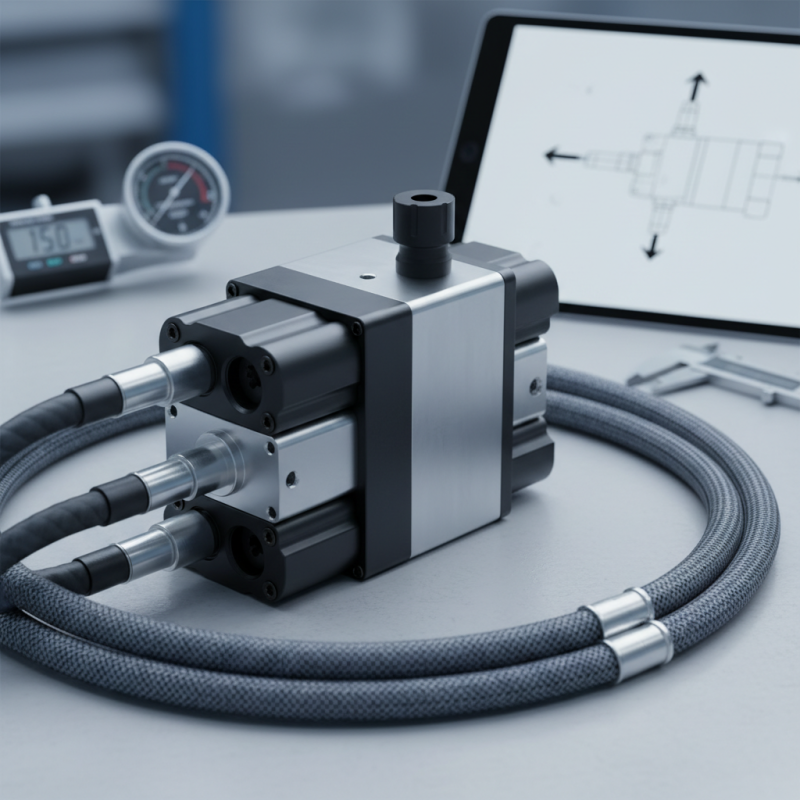
Understanding the Functionality of Hydraulic Proportional Valves
Hydraulic proportional valves play a crucial role in hydraulic systems. They regulate fluid flow and pressure based on control signals. This functionality is essential for applications requiring precise motion control. According to industry reports, these valves can improve energy efficiency by up to 30%. Achieving this level of efficiency requires careful selection and understanding of the valve's operation.
The design of hydraulic proportional valves includes components like solenoids and feedback sensors. Solenoids control the flow direction, while feedback sensors provide real-time data. This combination allows for responsive adjustments in pressure and flow rate. However, challenges can arise if these components malfunction or fail to provide accurate readings. In fact, a study by the International Fluid Power Society indicates that improper calibration can lead to performance drops of about 15%.
Choosing the right hydraulic proportional valve involves more than just specifications. Users must consider operational conditions, such as temperature and fluid viscosity. Reported failures often stem from overlooking these factors. Additionally, maintenance practices can affect the valve's longevity. Regular checks can identify potential issues before they escalate. This proactive approach can enhance reliability and operational efficiency over time.
Top 10 Tips for Choosing a Hydraulic Proportional Valve
Key Factors to Consider When Selecting a Hydraulic Proportional Valve
When selecting a hydraulic proportional valve, several key factors must be considered. The flow rate is crucial. It determines how much fluid can pass through. A valve with insufficient flow may cause system inefficiencies. Similarly, pressure ratings are vital. Ensure the valve can handle the maximum pressure in your system to avoid failures.
Another important factor is the valve's response time. A faster response means better control of the hydraulic circuit. Consider your application’s specific needs. Different scenarios require different levels of precision and speed. Additionally, environmental conditions can affect valve performance. For instance, temperatures or exposure to chemicals could lead to premature failure.
Material choice also plays a role. Not all materials withstand pressure and temperature variations. Take the time to review specifications and test data. It is worth pondering whether your selected valve might need adjustments over time. Balancing initial costs with long-term reliability is often a challenge. Overall, careful evaluation will lead you to a suitable choice.
Evaluating Flow Rate and Pressure Requirements for Your Application
Evaluating flow rate and pressure requirements is crucial when selecting a hydraulic proportional valve. Understanding these parameters helps you find the right valve for your specific application. For instance, if your system operates under high pressure, ensure the valve you choose can handle it. A mismatch could lead to failure.
Tip: Calculate the flow rate needed for your application. It’s common to underestimate this requirement. Take the time to measure the expected load accurately. Consider factors like temperature and potential system loss. Many users overlook these details and later face issues.
Pressure is equally important. Determine the maximum pressure your application will encounter. It's easy to select a valve that seems adequate but may not withstand the pressure in real conditions. Evaluate how pressure spikes might affect performance. A thoughtful assessment here saves future headaches.
Tip: Don’t forget to think long-term. Some valves might be efficient now but fail as your needs grow. Regular maintenance and reevaluation can identify the right valve before costly repairs are necessary. A slight oversight in selection now might lead to multiple issues down the line. Be proactive in your assessment.
Comparing Different Types and Brands of Hydraulic Proportional Valves
When comparing different types of hydraulic proportional valves, understanding their functionalities is critical. Valves differ in their control mechanisms. Some utilize electric signals, while others rely on hydraulic inputs. This can affect response times and precision. Consider how these factors align with your project’s requirements.
The design of the valves is also important. Some have compact designs, perfect for space-constrained applications. Others offer more robust solutions with enhanced durability. This might seem ideal, but heavier models can hinder mobility. Weighing the trade-offs is essential.
Brands often present varying quality in construction and performance. Don’t assume that a higher price guarantees better quality. User reviews can offer insights into real-world applications. Some users may mention issues like fluid leakage or sensitivity to environmental changes. By comparing these experiences, you can make a more informed decision that suits your specific needs.
Assessing Quality and Reliability: Importance of Manufacturer Reputation
When choosing a hydraulic proportional valve, assessing quality and reliability is crucial. A manufacturer’s reputation often reflects their commitment to excellence. Look for companies with years of experience. Longevity in the industry usually indicates consistent quality. Check historical performance data too, if available. It shows how their products hold up over time.
Manufacturer reviews are critical. Search for feedback from real users. They often reveal strengths and weaknesses of the product. You might find some reviews overly positive or negative, making it hard to judge. Trust your instincts. If many users report similar issues, take them seriously. Yet, keep in mind that some experiences may differ. Not every product will suit every application.
Consider the materials used in production. High-quality materials can enhance durability. However, not all manufacturers share their material lists. Ask for details. If they hesitate, question their transparency. Transparency is an essential part of reliability. Ultimately, your choice of manufacturer will significantly impact your project's outcome. Choose wisely.
Top 10 Tips for Choosing a Hydraulic Proportional Valve
| Tip Number | Selection Criteria | Description | Importance Level |
| 1 | Manufacturer Reputation | Choose a manufacturer known for quality and reliability. | High |
| 2 | Certification Standards | Look for products that meet international standards and certifications. | Medium |
| 3 | Technical Support | Assess the availability of technical support and assistance post-purchase. | High |
| 4 | Warranty Terms | Check the warranty period and what it covers. | Medium |
| 5 | Performance Data | Review performance data to ensure compatibility with requirements. | High |
| 6 | User Reviews | Check user reviews for real-world application feedback. | Medium |
| 7 | Customization Options | Consider whether customization is available to meet specific needs. | Low |
| 8 | Price Range | Evaluate if the price aligns with your budget and the valve's capabilities. | Medium |
| 9 | Material Quality | Assess the materials used in construction for durability and strength. | High |
| 10 | Delivery and Lead Time | Understand the delivery timelines and lead times to avoid project delays. | Medium |