
In the world of construction, choosing the right machinery is crucial. Compact Wheel Loaders have become increasingly popular due to their versatility and efficiency. Industry expert John Matthews notes, "Selecting the right compact wheel loader can significantly impact your project's success." His words ring true for many operators today.
Compact Wheel Loaders are designed to perform various tasks in tight spaces. They can easily navigate narrow job sites and handle heavy materials. However, with so many options available, making the right choice can feel overwhelming. Factors such as size, power, and attachments matter. Operators often overlook these details but they can lead to costly mistakes.
Understanding the intricacies of a Compact Wheel Loader is essential. Not all models fit every task. Some are better for landscaping, while others excel in construction. Well-informed choices will maximize productivity. Dive deeper and evaluate the machinery to avoid regret later on. Competitors are fierce, and having the right equipment can set you apart.
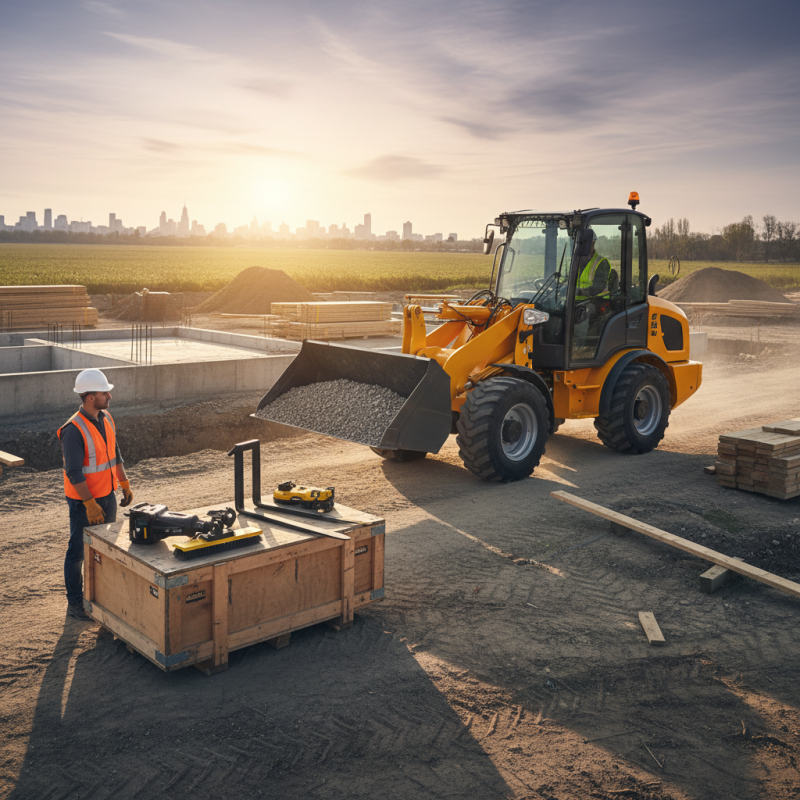
Compact wheel loaders serve key roles in various industries. Understanding your specific needs is crucial when selecting one. Are you moving materials in tight spaces? Or perhaps you need to lift heavy loads? The intended use dictates the features you should prioritize. Consider the loader's power and lift capacity. It’s vital to ensure it meets your demands without overloading the machine.
Evaluate the machine's maneuverability and size. A compact wheel loader should be agile enough to navigate job sites effectively. However, many overlook the importance of operator comfort. An uncomfortable operator can lead to inefficiency. Test different models to find the right fit for your team. While price is a factor, remember that a more suitable loader might save costs in the long run. You may find yourself questioning the choice if the machine falls short of expectations.
When selecting a compact wheel loader, engine power and performance should top your list of considerations. The engine is a critical component, as it determines how well the machine can handle various tasks. A robust engine delivers better torque and efficiency, which directly impacts productivity. Look for models that offer reliable horsepower and optimal fuel efficiency.
One important tip is to evaluate the engine's performance specifications. Pay attention to horsepower ratings and torque curves. These stats reveal how well the loader can lift loads and navigate tough terrain. A machine with higher torque is advantageous for heavy-duty tasks. Consider operational cycles as well. The loader’s capability to maintain performance over prolonged usage is key.
Lastly, examining engine features, like cooling systems, is essential. An effective cooling system prevents overheating during intense operations. Remember, a cooler engine runs better.
Weigh the pros and cons of machines with complex engine designs versus simpler, modular engines. Complexity can lead to higher maintenance costs. Balance between performance and ease of upkeep is crucial. Aim for a loader that strikes a harmonious balance between power and practicality.
When choosing a compact wheel loader, size and maneuverability are key factors. Assess the dimensions of the work site first. Tight spaces require smaller models, while larger areas can accommodate bigger machines. Consider the height of doorways and the width of pathways. It's crucial these loaders can navigate effectively without damage.
Maneuverability is just as important. Look at the turning radius and how easily the loader can pivot. A machine with excellent maneuverability can work efficiently in congested environments. It's important to test the loader in real scenarios. Sometimes, machines that seem perfect on paper struggle in practice. Operators often have different preferences based on their experiences.
Reflect on your unique needs. Will the loader face steep hills or soft ground? Some models perform poorly under specific conditions. Always consider the terrain. A compact loader may excel on smooth surfaces but falter on uneven ground. Evaluate these factors to ensure a great fit for your work environment. A thoughtful approach can lead to successful operations.
When considering a compact wheel loader, versatility is key. Look at the attachments available. Different tasks require different tools. Buckets, forks, and sweepers can transform your machine's capabilities. Choose based on your job needs. A single loader can serve multiple functions with the right attachments.
Think about the weight and lift capacity too. Some attachments may require stronger loaders. A lightweight attachment on a heavy-duty machine could lead to inefficiency. Make sure the loader fits the tasks you plan to perform.
Evaluate your environment as well. Small spaces may need compact dimensions. However, this can limit lifting capabilities. You'll want a machine that can maneuver well but still handle jobs efficiently. Test out various models to see how they perform in your specific conditions.
| Tip Number | Tip Description | Considerations | Versatility Options |
|---|---|---|---|
| 1 | Evaluate engine power and performance. | Consider tasks and terrain types. | Bucket, forks, grapples. |
| 2 | Check the lift capacity. | Match lift capacity with job needs. | Different pallet forks, attachments. |
| 3 | Assess hydraulic system capabilities. | Hydraulic flow rate is crucial for attachments. | Hydraulic hammer, forks, snow plow. |
| 4 | Look for safety features. | Rollover protection and visibility. | Cab enclosures, backup alarms. |
| 5 | Consider the maintenance requirements. | Ease of access for routine checks. | Quick-connect attachments. |
| 6 | Evaluate operator comfort. | Adjustable seats and controls. | Heated seats, ergonomic controls. |
| 7 | Review warranty and service options. | Understand the terms of service. | Extended warranty options. |
| 8 | Inspect for overall durability and build quality. | Material quality impacts longevity. | Heavy-duty attachments. |
| 9 | Research resale value. | Market demand for models varies. | Popular attachment types retain value. |
| 10 | Assess local dealer support. | Proximity to service can reduce downtime. | Availability of compatible accessories. |
When selecting a compact wheel loader, maintenance and service support are crucial factors. A reliable machine is not just about power; it's also about how well it runs over time. Regular service can prevent breakdowns that lead to costly delays. A loader that’s easy to maintain saves both time and money. Check if the design allows easy access to key components for servicing.
Consider the availability of parts and support. It's frustrating when a simple repair takes weeks because parts are not on hand. Local dealers or service centers can make a big difference. Look for warranties that cover major components. This kind of protection can give peace of mind for long-term use.
Reflect on the importance of operator training also. An overlooked aspect is how well the operator understands the machine. Poor operation can lead to more wear and tear, even if the machine is well-maintained. Investing in training can enhance performance and extend the life of the loader. It's a balance that needs careful thought.
