Essential Tips for Wheel Hub Bearing Units Maintenance and Care?
Maintaining wheel hub bearing units is crucial for vehicle performance. These components support wheel rotation and provide stability. Neglecting their care can lead to serious issues, such as reduced handling or premature wear.
Regular inspections are essential. Look for signs of damage, such as unusual noises or vibrations. An unexpected breakdown can be costly and inconvenient. Simple actions like cleaning and lubricating can extend their lifespan.
It’s important to address any issues promptly. Ignoring minor problems may lead to bigger repairs later. Understanding the signs of distress in wheel hub bearing units can save money and enhance safety on the road. Be proactive and attentive to your vehicle’s needs.
Essential Tools for Wheel Hub Bearing Units Maintenance
When maintaining wheel hub bearing units, having the right tools is crucial. Essential tools include a torque wrench, which ensures nuts and bolts are tightened correctly. A quality bearing puller is necessary to safely remove old bearings without damage. This tool can sometimes be tricky to use, and improper handling may lead to costly mistakes.
A good cleaning solution is also important. It helps remove dirt and grime from the bearing surfaces. Soft brushes or cloths can be useful for this task, but be cautious—harsh scrubbing might harm delicate parts. Additionally, a set of calibrated gauges can help in measuring bearing clearances accurately. Getting this wrong can lead to premature wear and failure, a common oversight in maintenance.
Don't forget personal safety gear. Gloves can protect hands from sharp edges, and safety glasses are a must to guard against debris. Sometimes, people overlook these basic items, thinking they aren't necessary, which could lead to unfortunate injuries. Each tool serves a specific purpose, but improper use can undermine the efficiency of the maintenance process. Understanding how each tool works is vital for successful upkeep.
Understanding the Importance of Wheel Hub Bearing Units in Vehicles
Wheel hub bearing units play a crucial role in vehicle performance and safety. They support the wheel, allowing it to rotate freely while bearing the vehicle's weight. According to industry data, over 80% of the vehicle's weight is transmitted through these units. Regular maintenance can extend their lifespan significantly, yet many drivers overlook this critical component.
Neglect can lead to premature wear and failure. Research indicates that around 35% of vehicle breakdowns are tied to wheel bearing issues. Common signs of wear include noise, vibrations, and uneven tire wear. Drivers should inspect these units regularly. Checking for grease leakage and proper alignment is vital. Many professionals recommend replacing bearings after 100,000 to 150,000 miles, but this can vary greatly based on driving conditions.
While it may seem trivial, the state of wheel hub bearings impacts overall vehicle safety. A malfunction can compromise braking efficiency and handling. Owners often believe that as long as they hear no abnormal sounds, everything is fine. However, silent deterioration can occur, leading to risks. A proactive maintenance approach can prevent accidents and costly repairs down the line.
Common Issues Faced by Wheel Hub Bearings and Their Indicators
Wheel hub bearings play a vital role in vehicle safety and performance. Common issues include noise and vibration during driving. A grinding sound often indicates that the bearings are worn. You might also notice unusual vibrations. These symptoms can worsen over time, leading to more costly repairs.
Another indication of failing wheel hub bearings is uneven tire wear. If you notice bald spots or camber issues, it could be linked to the bearings. Pay attention to steering response as well. If the steering feels loose or imprecise, this could signal a problem. Ignoring these signs can lead to accidents or more severe vehicle damage.
Preventive care is essential. Regular inspections can catch issues early. Look for signs like grease leaks around the hub. A careful approach can save you money in the long run. Always remember, not addressing minor issues can complicate things. Seeking a professional opinion might help clarify whether to repair or replace.
Best Practices for Inspecting and Lubricating Wheel Hub Bearings
Inspecting and lubricating wheel hub bearings is crucial for vehicle safety. Begin your inspection by checking for any unusual noises or vibrations. If you hear a grinding sound, it’s time to investigate further. Look for any signs of wear or damage. Rust or pitting on the bearing surface indicates a problem. These inspections should be routine, yet they often get overlooked.
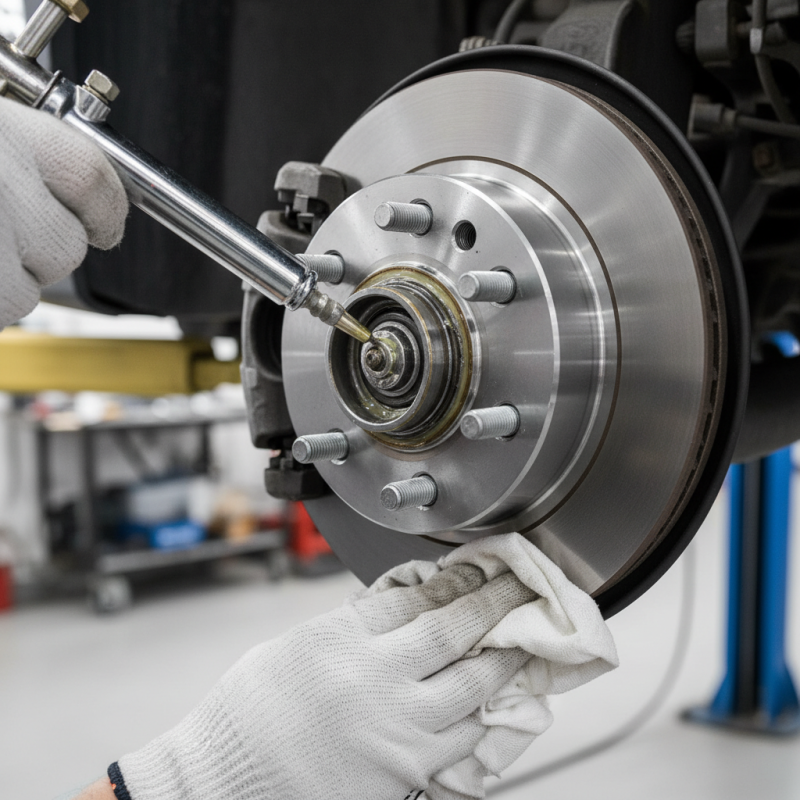
When it comes to lubrication, using the right grease is essential. Apply it sparingly to prevent excess buildup. Over-lubrication can attract dirt and moisture, which leads to more wear. Use a grease gun for precise application. Always wipe the outer rim before sealing. You might think this is minor, but it helps maintain cleanliness. Check the seals for cracks or other defects. These small details can lead to significant issues if ignored. Regular attention to these factors can prolong the life of wheel hub bearings significantly. However, many still neglect these maintenance steps.
Industry Standards for Replacement and Maintenance Frequency of Bearings
When it comes to wheel hub bearing units, adhering to industry standards for maintenance is crucial. Replacement intervals can vary based on usage and conditions. Typically, bearings should be inspected every 30,000 to 50,000 miles. However, harsh environments may necessitate more frequent checks. Drivers should be mindful of unusual noises or vibrations, as these can indicate bearing wear.
Regular maintenance is essential to prolong the life of your bearings. Keep them clean and free from debris. Lubrication is vital, but overgreasing can lead to problems. Aim for a balanced approach. Check seals and protective covers regularly, ensuring they are intact and functional. This helps prevent contaminants from entering the bearing.
Tips for effective care include checking alignment during installation. Misalignment can cause premature failure. Monitor temperature; excessive heat can signal trouble. Lastly, consider replacing bearings in pairs for better balance. Small oversights can lead to significant issues later. Recognizing these factors aids in maintaining reliable performance.
Essential Tips for Wheel Hub Bearing Units Maintenance and Care
This chart illustrates the recommended maintenance frequency for wheel hub bearing units over the course of a year. Regular checks and maintenance are crucial for ensuring optimal performance and longevity of the bearings.