Top 10 Fiberglass Mesh Machine Benefits and Uses What to Know?
The fiberglass mesh machine plays a vital role in modern manufacturing. This innovative technology transforms fibrous materials into durable mesh products. These products find various applications in construction and industry. What makes the fiberglass mesh machine special? It offers numerous benefits, enhancing efficiency and quality in production.
Using a fiberglass mesh machine can improve the durability of construction materials. It provides strength without adding excessive weight. This capability is essential in building structures that need to withstand harsh conditions. Yet, not all machines are equal. Some may lack precision or adaptability for different applications. Thus, choosing the right machine is crucial for success.
In the fast-paced world of manufacturing, flexibility is key. A fiberglass mesh machine can be tailored for various uses. From simple mesh sheets to complex designs, the possibilities are endless. However, users should constantly evaluate their processes. It is important to identify inefficiencies and seek improvements. Ultimately, investing in the right fiberglass mesh machine can lead to significant gains in production and quality.
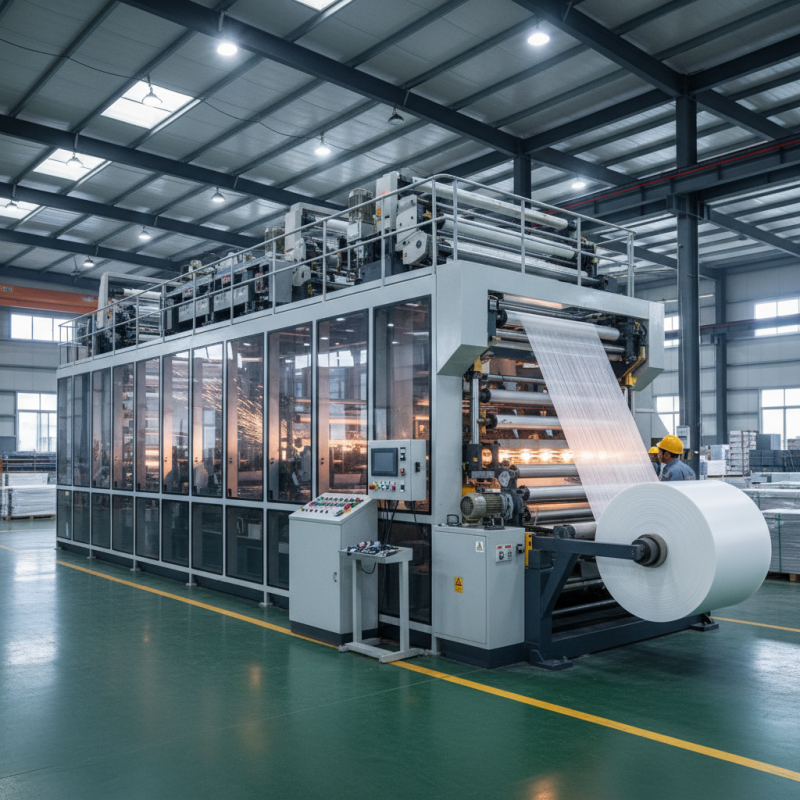
Benefits of Using Fiberglass Mesh Machines in Manufacturing
Fiberglass mesh machines play a crucial role in manufacturing. They create a strong, durable mesh used in various applications. These machines enhance productivity and efficiency in production lines. They streamline the process, allowing manufacturers to save time and reduce labor costs. With automated features, they require fewer workers to operate, which minimizes human error.
Using fiberglass mesh machines also improves product quality. The consistency of the mesh leads to better performance in construction and automotive industries. However, the machines require proper maintenance to function optimally. Neglecting regular checks can lead to issues, and costs can rise unexpectedly. Moreover, sometimes the mesh produced does not meet strict quality standards. This can lead to waste and rework in manufacturing processes.
Investing in these machines brings numerous advantages, but challenges remain. There is a learning curve for operators, which can slow down initial production. Manufacturers must provide training sessions to ensure effective use. Additionally, the upfront cost can be daunting for smaller businesses. Although these machines offer significant benefits, careful consideration is vital. Balancing investment with expected returns is key to success.
Key Applications of Fiberglass Mesh Products in Various Industries
Fiberglass mesh products find wide application across various industries due to their strengths and versatility. One prominent use is in construction. Builders utilize fiberglass mesh for reinforcing concrete structures. This enhances durability and prevents cracking. Mesh is essential in plastering and drywall applications. It offers additional support and improves overall stability.
In the automotive industry, fiberglass mesh is used in vehicle manufacturing. It helps reinforce parts like bumpers and body panels. The lightweight nature of the mesh reduces overall vehicle weight. Additionally, it enhances safety during accidents. In the realm of home improvement, DIY enthusiasts often use fiberglass mesh for repairing and reinforcing repairs in walls. It's easy to apply and can be a cost-effective solution.
While fiberglass mesh offers many advantages, it is not without flaws. Some users report difficulties in cutting and handling the material. Others find that its adhesive properties can be inconsistent. Proper care during installation can help mitigate these issues. Awareness of these challenges is crucial for effective application in any project.
How Fiberglass Mesh Machines Enhance Production Efficiency
Fiberglass mesh machines are crucial in enhancing production efficiency. They automate the weaving and cutting processes, significantly reducing labor costs. These machines ensure consistency in quality, providing uniform mesh sizes for diverse applications. With advanced technology, they can operate at high speeds. This not only boosts output but also meets tight project deadlines.
Tips: Regular maintenance is essential. A well-maintained machine performs better and lasts longer. Monitor the mesh quality frequently. This helps catch any discrepancies early. Training staff on the machine's operation can also make a big difference.
The use of fiberglass mesh is prevalent in construction and automotive industries. It improves structural strength, making products more durable. However, operators may face challenges like machine downtime or material waste. Addressing these issues requires ongoing training and clear communication. Building a feedback loop within the team can lead to improvement. Production efficiency is a continuous journey, not just a goal.
Factors to Consider When Choosing a Fiberglass Mesh Machine
When selecting a fiberglass mesh machine, several key factors come into play. Production capacity is vital. Machines can vary from small-scale to high-output units. Reports indicate that the global fiberglass market is expected to grow annually by 6.5%, emphasizing the need for robust machinery to meet demand. You must assess the machine’s speed and efficiency. Some models can produce over 1000 meters of mesh per hour.
Consider the types of mesh being produced. Different applications require varying mesh sizes and tensile strengths. A machine designed for high-strength mesh might not be suitable for decorative fabrics. Thus, understanding your specific needs is essential. Keep in mind energy consumption as well. A machine that consumes less power can significantly reduce operational costs over time.
Maintenance is another critical aspect. Some machines require specialized training for upkeep. If you choose a complex model, ensure your staff can handle repairs efficiently. User feedback highlights this often overlooked issue. Investing in training can prevent costly downtime.
Finally, review the supplier's support services. A reliable relationship can ease the transition to advanced machinery. Consider these factors seriously to ensure long-term success.
Future Trends in Fiberglass Mesh Technology and Production Techniques
Fiberglass mesh technology is evolving rapidly. New production techniques are enhancing efficiency and reducing waste. Innovations in machinery are streamlining the manufacturing process. These advancements often lead to cost savings, yet challenges remain. Companies must adapt to these changes while maintaining quality.
The future of fiberglass mesh looks promising. Manufacturers are exploring eco-friendly materials. Sustainable practices are not just trends—they’re essential. Consumers increasingly demand green products. However, shifting to these practices can be complex and requires time. Investment in new technologies may initially seem daunting.
Moreover, automation is shaping production methods. Smart machinery can improve accuracy and output speed. Yet, there’s a learning curve involved for operators. Training staff is crucial for success. Finding a balance between technology and skilled labor is vital. The path is full of opportunities, but also hurdles. Companies need to reflect on their approaches to succeed in this shifting landscape.