Top 10 Best Wood Chippers for Sale in 2026
Wood waste is a routine part of tree care, landscaping, and property maintenance. The U.S. Environmental Protection Agency’s Advancing Sustainable Materials Management: 2018 Fact Sheet estimated that Americans generated 35.4 million tons of yard trimmings that year. About 22.3 million tons were composted. Those figures show why turning branches into manageable chips can matter for cleanup and material reuse.
Choosing a Wood Chipper, however, is not just about the largest advertised branch capacity. The USDA Forest Products Laboratory’s Wood Handbook explains how wood properties vary; in practice, species, moisture, and branch shape can affect feeding and chipping. A machine that handles straight, dry limbs may struggle with tangled, leafy brush. That difference becomes obvious when a hopper clogs halfway through a job.
This guide compares 10 wood chippers for sale in 2026 by intended use, power source, stated capacity, portability, maintenance needs, and available specifications. It draws on manufacturer information and established technical references, while treating sales claims as claims—not independent test results. Check the manual for operating limits and maintenance requirements before buying. Small details count. Consider storage space, noise, protective equipment, and how often you will move the machine. No ranking fits every yard, and advertised capacity alone can be misleading. A more practical choice is the chipper that suits your material, workload, and experience.
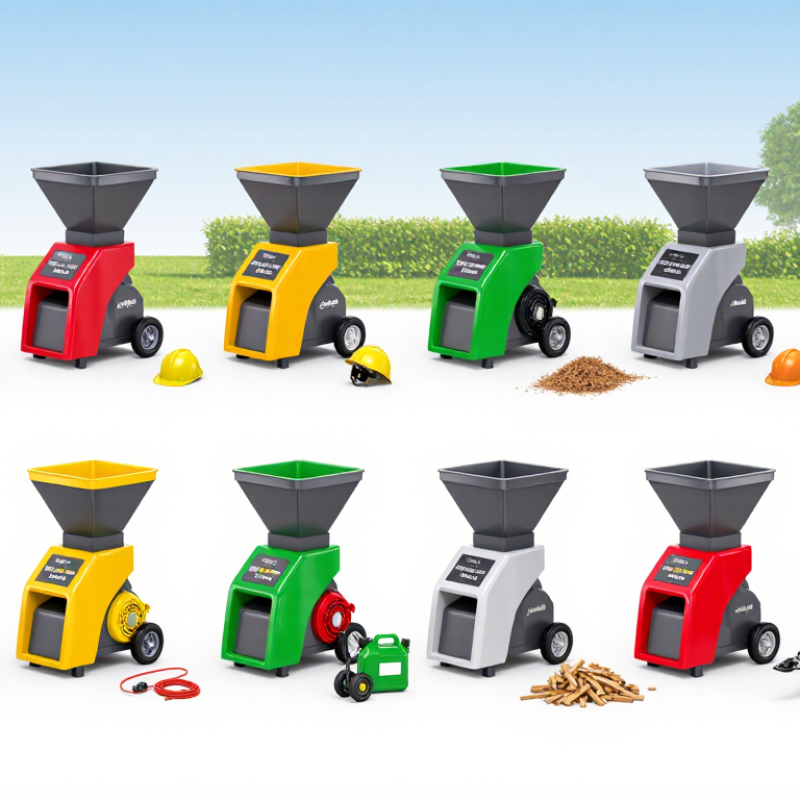
Wood Chipper Types in 2026: Disc, Drum, and PTO Models
Wood chipper types in 2026 suit different jobs, so compare the material you handle before comparing advertised capacity. Disc chippers use blades mounted on a rotating flywheel. They can produce fairly consistent chips when blades are sharp and feed material is suitable. Their cutting action may feel less forgiving with crooked branches, though design and feed systems vary. Check blade access and service requirements before buying.
Drum chippers pull material toward knives mounted around a rotating drum. Many are chosen for steady feeding of mixed branches and brush. That convenience has a trade-off: tangled, leafy material can still slow feeding, and drum size alone does not tell you real-world output. Listen for unusual vibration, and inspect knives, bearings, and the feed mechanism on a used machine. Small details matter.
PTO models connect to a tractor’s power take-off, which can make them practical for farms with a compatible tractor. Match the chipper’s requirements to the tractor’s available power and PTO speed; do not assume a larger tractor solves every mismatch. Also consider transport, storage, and the wood diameter you routinely encounter. Wear eye and hearing protection, keep bystanders clear, and never push material by hand near the feed rollers. I would leave room in the budget for maintenance. Used machines can look ready while hiding worn knives.
How the Top 10 Wood Chippers Compare by Engine Power and Maximum Feed Diameter
Comparing the ten wood chippers by engine power and maximum feed diameter reveals what the numbers can—and cannot—tell you. Engine power indicates how much work a machine may handle, but horsepower alone does not guarantee smooth feeding. Check the rated output, engine type, and intended duty cycle together. A chipper used for occasional pruning has different demands from one processing a steady pile of hardwood limbs.
Feed diameter is useful, but treat it as a limit, not a promise of effortless chipping. A six-inch branch may fit through the opening yet feed poorly if it is crooked, forked, or freshly cut and heavy. The blade condition and feed mechanism matter too. Small details count. Compare each model’s stated maximum with the branch sizes you actually collect, leaving a practical margin rather than aiming at the absolute limit.
For a clearer comparison, group the top ten by power class and listed intake capacity, then check weight, maintenance access, and safety controls. These details affect daily use, even if they are less striking than a horsepower figure. Specifications can also differ by configuration or market, so verify the exact machine’s manual before buying. A tidy chart may still oversimplify the job; I would not choose on diameter alone.
Commercial vs. Residential Chippers: Throughput, Mobility, and Typical Use
When comparing the top 10 wood chippers for sale in 2026, match the machine to the work, not just its advertised capacity. Commercial chippers are designed for repeated, high-volume feeding and often use powered rollers and larger infeed openings. They suit tree crews processing limbs all day, but their weight and towing needs can make tight residential driveways awkward. Residential models are easier to store and move around a yard. They handle pruning waste well, though thick, forked, or wet branches slow the work.
Throughput figures are not directly comparable unless the material and test conditions match. Wood species, moisture, branch shape, and blade sharpness all matter. A clean number on a spec sheet can mislead. The U.S. EPA’s 2018 Facts and Figures report estimated 35.4 million tons of yard trimmings entered the U.S. municipal waste stream; 22.3 million tons were composted. That scale points to the value of processing green waste, but it does not mean every buyer needs commercial capacity. Consider access, daily volume, and where chips will go.
Tips: Measure your narrowest gate and check towing limits before choosing a larger unit. Compare capacity using similar branch material, not headline ratings alone. NIOSH recommends limiting occupational noise exposure to 85 dBA over eight hours; check the machine’s measured sound level and use suitable hearing protection. A small chipper may feel slow on a big cleanup—and a large one may be more machine than a small yard needs.
Safety and Compliance: ANSI Z133-2017 and OSHA 29 CFR 1910.266(h)(6)
A wood chipper’s price tag says little about safe operation. ANSI Z133-2017 addresses safety practices in arboricultural work, including hazards around equipment, workers, and the job site. When comparing machines, check that guards and emergency-stop controls are accessible, and that the manual clearly explains feeding, clearing, and maintenance procedures. A machine cannot replace training.
OSHA 29 CFR 1910.266(h)(6) concerns foot protection in covered logging operations; it points employers to the requirements in 29 CFR 1910.136. It is not a stand-alone wood-chipper design rule. Applicability depends on the work and setting, so employers should confirm which requirements govern their operation. Protective footwear matters near heavy equipment, but it does not make unsafe feeding practices acceptable.
Details count. Keep hands outside the feed opening, use the manufacturer’s specified tools for jams, and maintain a clear exclusion zone around the infeed. Before buying, ask who will train operators and how daily inspections will be recorded. Paperwork alone is not protection. And standards can be misread; I would verify the exact edition and applicable rules rather than assume a sales listing proves compliance.
2026 Ownership Costs: Fuel, Maintenance, Replacement Blades, and Warranty
Owning a wood chipper costs more than its purchase price. Fuel use depends on engine size, workload, and how often the machine idles. A small gasoline model may sip fuel during light pruning, but dense, wet branches can raise consumption quickly. Keep a simple log of operating hours and fuel purchases. It helps reveal whether your estimates match real use.
Maintenance is easier when planned around hours, not memory. Check engine oil, air filters, belts, and fasteners at the intervals in the manual. Dust and wood fibers collect around cutting areas, so clean the machine after each session. Replacement blades are another recurring expense. A dull edge can make feeding slower and put extra strain on the engine. Prices and sharpening options vary, so check local service costs before buying. I have seen owners underestimate downtime; a spare blade set may be useful, though it adds upfront cost.
Warranty coverage deserves careful reading. Confirm which parts are covered, how long coverage lasts, and whether labor or transport is included. Wear items such as blades may be excluded. Keep receipts and maintenance records; missing paperwork can complicate a claim. Plan for repairs anyway. Even a well-maintained machine can fail during a busy season. A realistic annual budget should include fuel, routine service, blade care, and a modest repair reserve. Some costs are easy to miss.