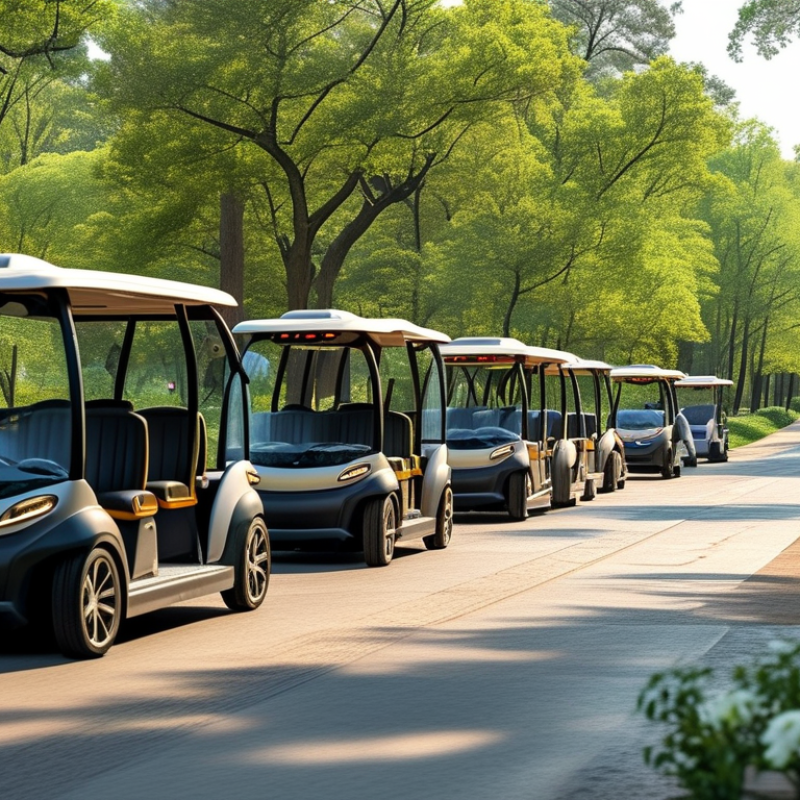
Top 10 Benefits of Using Electric Park Vehicles for Tourism?
Electric Park Vehicles are transforming the tourism landscape. They offer eco-friendly and efficient transportation for visitors in parks and attractions. Tourists can explore vast areas without feeling exhausted. These vehicles provide a quieter way to enjoy nature, reducing noise pollution.
Sustainability is a growing concern. Using Electric Park Vehicles aligns with eco-friendly practices. They help decrease carbon footprints, benefitting both the environment and local communities. Imagine gliding through scenic routes, surrounded by wildlife, with only the gentle hum of your vehicle.
While the advantages are significant, challenges remain. Not all parks are equipped with the necessary infrastructure. Some visitors may need time to adapt to this technology. Despite these considerations, Electric Park Vehicles present a compelling option for modern tourism. They enhance experiences and pave the way for a greener future.
Top 10 Benefits of Using Electric Park Vehicles for Tourism
Electric park vehicles (EPVs) are increasingly being adopted in tourism for their numerous benefits. These vehicles reduce carbon emissions significantly, which is crucial in preserving fragile ecosystems. According to a recent report by the International Energy Agency, electric vehicles can decrease greenhouse gas emissions by up to 70% compared to traditional gasoline-powered options. This is especially vital in protected areas where wildlife and plants thrive.
Tourists also appreciate the quiet and serene experience that EPVs provide. With noise pollution minimized, visitors can enjoy the sounds of nature. A study from the National Parks Service indicated that visitors reported a 40% increase in satisfaction levels when exploring parks using quiet electric options. This enhances the overall tourist experience, creating lasting memories while promoting a sense of responsibility towards the environment.
Despite these advantages, implementing EPVs is not without challenges. Infrastructure for charging can be lacking in some regions. Additionally, maintenance and initial setup costs may deter smaller tourist operations. Nevertheless, the long-term savings on fuel and the potential for increased visitor numbers often outweigh these concerns. Balancing operational efficiency with environmental responsibility remains a task that requires ongoing reflection in the tourism sector.
Enhanced Eco-Friendliness: Reducing Carbon Footprint in Tourism Areas
Electric park vehicles (EPVs) are gaining popularity in tourism areas due to their eco-friendly nature. By reducing reliance on gas-powered vehicles, they help lower carbon emissions significantly. A study from the International Council on Clean Transportation (ICCT) found that electric vehicles can reduce greenhouse gas emissions by up to 45% compared to gasoline models. This shift is crucial, especially in tourist hotspots where air quality is a concern.
Moreover, EPVs not only cut emissions but also enhance the overall visitor experience. They operate quietly, which can lead to a more serene environment for tourists, allowing them to enjoy the natural beauty without noise pollution. However, some critics argue that the transition to EPVs may not be entirely flawless. Infrastructure for charging stations in remote tourism locations may be limited, posing challenges for widespread adoption. A recent report from the World Tourism Organization emphasized that sustainable tourism requires both innovative solutions and supportive policies to thrive.
Another aspect to consider is the impact of EPVs on local communities. The economic aspect is vital. While EPVs can save on fuel costs, the initial investment remains high. Some communities may struggle with funding these transitions. A balance must be struck between eco-friendliness and financial feasibility. Without addressing these issues, the goal of reducing the carbon footprint through electric vehicles might encounter hurdles that require thoughtful consideration and strategic planning.
Cost-Effectiveness: Analyzing Long-Term Savings in Fleet Operations
Electric park vehicles are becoming increasingly popular in the tourism sector. As the world focuses on sustainability, these vehicles offer significant cost savings. A report from the U.S. Department of Energy highlights that electric vehicles (EVs) can save operators up to $1.24 per mile compared to traditional gasoline vehicles. This figure is crucial for fleet operators seeking to optimize their budgets.
Additionally, maintenance costs for electric vehicles tend to be lower. According to the Electric Vehicle Association, EVs require 30% less maintenance over their lifetime than conventional vehicles. Fewer moving parts lead to less wear and tear, allowing park operators to reallocate these savings to enhance visitor experiences. However, operators must initially invest in charging infrastructure, which can be a barrier for some, despite long-term savings.
It’s important to balance short-term investments with future gains. While operational efficiency can be realized, the upfront costs can still pose a challenge. Budgeting for these electric fleets requires careful planning. Consideration of local demand and infrastructure is crucial. By addressing these challenges effectively, parks can thrive while promoting eco-friendly tourism.
Improved Accessibility: Facilitating Tourism for All Age Groups
Electric park vehicles offer significant advantages for tourism, fostering improved accessibility for visitors of all ages. A recent industry report highlights that over 30% of tourists struggle with mobility issues. This limitation affects their ability to explore popular attractions. Electric vehicles mitigate these concerns by providing an inclusive transport option, allowing easier access to parks and monuments.
When destinations incorporate electric park vehicles, they can accommodate families, seniors, and individuals with disabilities. Approximately 25% of attractions reported increased visitor numbers after implementing such transport solutions. Moreover, electric vehicles can navigate less accessible paths, which traditional vehicles cannot reach easily. This capability enriches the experience for visitors, enabling them to discover hidden gems within the attraction.
Despite the clear benefits, challenges remain. Some may find the initial investment in electric vehicle infrastructure daunting. Ongoing maintenance and training for staff are essential to ensure optimal operation. Additionally, ongoing communication with visitors is crucial to understand their needs and enhance the experience. By addressing these aspects, attractions can create a more inclusive environment for all, reinforcing the value of electric park vehicles in the tourism sector.
Quiet and Pollution-Free: Enhancing Visitor Experience in Natural Parks
Electric park vehicles have revolutionized tourism in natural parks. Their quiet operation significantly enhances the visitor experience. Tourists can appreciate wildlife sounds and the serene environment. This tranquility is crucial for nature lovers aiming to connect deeply with their surroundings.
Pollution-free vehicles help protect delicate ecosystems. They reduce air and noise pollution, ensuring a more sustainable approach to tourism. Visitors often report feeling more relaxed and engaged during their explorations. However, there are still challenges to address. Charging infrastructure needs improvement in some parks. Inconsistent availability of electric vehicles can frustrate visitors.
The convenience of electric vehicles lies in their ease of use. Many parks now offer guided tours on these eco-friendly options. But not all areas are fully accessible. It's essential to maintain a balance. Ensuring that electric vehicles are integrated with traditional options is vital for all visitors. This way, everyone can enjoy the beauty of nature without compromise.
Top 10 Benefits of Using Electric Park Vehicles for Tourism
This chart illustrates the key benefits of utilizing electric park vehicles in tourism, particularly in enhancing the visitor experience in natural parks. The benefits include reduced noise pollution, lower carbon emissions, improved accessibility, and increased visitor satisfaction.
Conclusion
Electric Park Vehicles (EPVs) represent a transformative solution for tourism, offering a multitude of benefits that enhance the visitor experience while promoting sustainability. Primarily, EPVs contribute to eco-friendliness by significantly reducing the carbon footprint in tourism areas, aligning with global efforts towards greener travel practices. Their cost-effectiveness becomes evident through long-term savings in fleet operations, making them an attractive option for operators focused on both financial efficiency and environmental responsibility.
Moreover, EPVs improve accessibility, ensuring that tourists of all age groups can explore natural parks safely and comfortably. They create a quieter, pollution-free environment, which enhances the overall visitor experience by allowing guests to connect with nature without the disturbances typically associated with traditional vehicles. With advanced electric vehicle technologies, these park vehicles also increase operational efficiency, enabling smoother management and better service delivery in tourist attractions. Overall, the integration of Electric Park Vehicles is a forward-thinking approach that benefits both the tourism industry and the environment.