Top Brick Moulding Machine Manufacturers for Global Buyers?
In the ever-evolving construction industry, the role of Brick Moulding Machine Manufacturers cannot be overstated. These manufacturers are pivotal in providing essential machinery that shapes and forms bricks, a fundamental component of modern architecture. High-quality machines enhance production efficiency and ensure uniformity in brick quality.
However, not all manufacturers are created equal. Some brands struggle with reliability and after-sales support. It's crucial for buyers to conduct thorough research before making a decision. Understanding the strengths and weaknesses of leading manufacturers can guide buyers toward investing in technology that meets their specific needs.
Exploring the global landscape, several manufacturers stand out. They offer innovative features, competitive pricing, and robust support systems. Yet, potential buyers must reflect on their own requirements. A well-informed choice should consider the technology's adaptability and the manufacturer’s reputation in the industry.
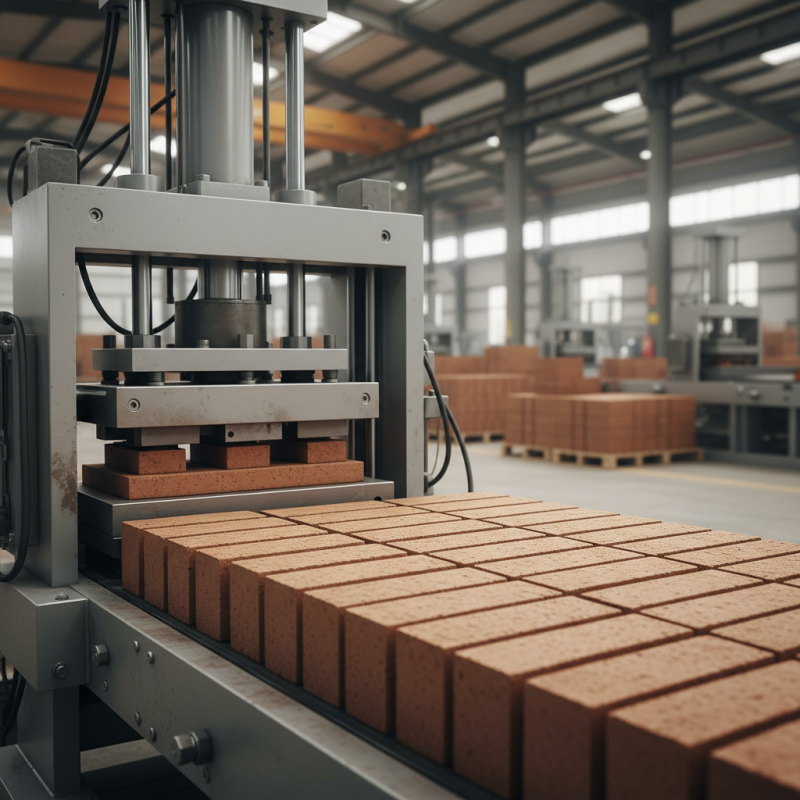
Overview of Brick Moulding Machines and Their Importance
Brick moulding machines play a vital role in the construction industry. These machines are responsible for shaping raw materials into durable bricks. A report by Global Market Insights, Inc. indicates that the brick market is projected to exceed $1 billion by 2027. This growth emphasizes the significance of efficient and reliable brick moulding technology.
Investing in high-quality brick moulding machines ensures better production efficiency. Many factors affect machine performance, including material types and operating conditions. Regular maintenance is essential for optimal operation. It's advisable to conduct routine checks and replace worn parts promptly.
Consider the energy efficiency of the equipment. Energy-efficient machines can significantly reduce operational costs. They also have lesser environmental impacts. Investing in such technologies reflects a commitment to sustainability. It's crucial to stay updated with advancements in machine technology. Continuous learning helps manufacturers choose the best options for their production needs.
Key Features to Consider When Choosing a Brick Moulding Machine
When selecting a brick moulding machine, consider several key features. The most important is the machine's capacity. It should meet your production needs efficiently. A machine that produces a high volume of bricks in a short time can significantly boost your business. You also need to evaluate the automation level. Fully automated machines can reduce labor costs and increase precision.
Another factor is the machine's durability. A robust design can withstand harsh operational conditions. Look for materials that resist wear and tear. Additionally, energy efficiency is essential. Machines that consume less power can lower operational costs over time. While advanced features are attractive, ensure they align with your needs.
Additionally, support and service after purchase are vital. Manufacturers that offer good customer support help in troubleshooting and maintenance. This support can save time and money. Don't forget to reflect on the warranty terms. A solid warranty indicates the manufacturer's confidence in their product's reliability.
Leading Brick Moulding Machine Manufacturers in the Global Market
In the global market, brick moulding machines are essential for efficient production. Various manufacturers cater to the rising demands of construction. These machines make production faster and reduce labor costs. They can produce various types of bricks with different specifications. However, selecting the right machine requires careful consideration.
Many manufacturers offer innovative features. Automated systems improve precision and reduce error rates. Some tools specialize in energy efficiency, boosting sustainability. While many options exist, not all manufacturers provide adequate support. Potential buyers need to verify the reputation of these companies. Reviews and case studies can reveal performance insights. That said, some manufacturers may over-promise on capabilities. Understanding the actual requirements can prevent future regrets.
Several key factors influence choice: machine capacity, durability, and versatility. Buyers must assess local support and maintenance services. A strong after-sale service can enhance the longevity of the machine. Yet, navigating through various offerings can be challenging. Potential customers might find it overwhelming. Research and networking within industry forums can help simplify the decision-making process.
Top Brick Moulding Machine Manufacturers Market Share
Comparative Analysis of Brick Moulding Machines by Top Brands
When exploring the landscape of brick moulding machines, it's essential to consider various factors. These machines differ significantly in design, efficiency, and output. Top brands typically offer a range of models, each tailored to meet different production needs. An initial assessment can reveal differences in technology used or the materials required for manufacturing. Each brand has its strengths, which might appeal to diverse buyers.
Tips: Always check for machine durability and maintenance requirements. A reliable machine should withstand heavy use without frequent issues.
Evaluating performance metrics is crucial. Some machines excel in speed but may compromise on consistency. Others may produce high-quality bricks but operate slower. Buyers should balance these factors based on their production goals and budget constraints. A clear understanding of desired outcomes can guide the selection process effectively.
Tips: Seek expert reviews and user testimonials. They can offer insights that specifications alone may not reveal.
Future Trends and Innovations in Brick Moulding Technology
In recent years, brick moulding technology has advanced significantly. Innovations are shaping how bricks are produced. This evolution is crucial for manufacturers aiming to enhance efficiency and sustainability in production processes.
Emerging trends showcase the integration of automation and robotics. Such technologies reduce labor costs and increase precision. Energy-efficient machinery is also gaining traction, which supports both environmental goals and operational savings. However, the transition to advanced systems poses challenges. Many manufacturers must adapt their workforce and retrain employees to meet these technological demands.
Tips for manufacturers: consider investing in training programs for your team. This prepares them for new technologies effectively. Also, staying updated on industry trends is vital. Regularly attend trade shows and workshops to network and gain insights. Monitoring competitors can reveal gaps in your strategy that need addressing. Adopting a proactive approach helps address potential flaws before they become significant issues.
Top Brick Moulding Machine Manufacturers for Global Buyers - Future Trends and Innovations in Brick Moulding Technology
| Manufacturer Region | Annual Production Capacity (Units) | Innovations in Technology | Customer Satisfaction Rating (out of 5) | Export Markets |
| North America | 5000 | Automated production line, energy-efficient designs | 4.5 | Europe, South America |
| Asia | 8000 | Smart technology integration, IoT-enabled machines | 4.2 | Middle East, Africa |
| Europe | 3000 | Eco-friendly materials, precision engineering | 4.7 | North America, Asia |
| Africa | 2000 | Affordable solutions, mobile production units | 3.8 | Local markets only |
| South America | 4500 | Robust design, high-speed machinery | 4.0 | North America, Europe |