Top CNC Lathe Machines 2026 What You Need to Know?
In the rapidly evolving world of manufacturing, Cnc Lathe Machines stand out as essential tools. As we approach 2026, understanding their advancements is crucial. Industry expert Dr. Michael Zhang once stated, “The future of CNC lathe machines lies in their ability to adapt and learn.” This reflects the significant evolution in technology affecting machine operations.
CNC lathe machines are no longer just basic equipment. They have transformed into sophisticated systems featuring automation and smart technology. This evolution allows for better precision and efficiency. However, many users still grapple with how to fully leverage these advancements in their operations. Despite the growth, some may struggle to keep up with these changes.
With numerous options available, making the right choice becomes even more challenging. There are many models with varying features and capabilities. Companies need to evaluate what best suits their needs. As technology progresses, it’s essential to reflect on how these machines can fit into real-world applications for everyone involved. Understanding CNC lathe machines will help for a better future in manufacturing.
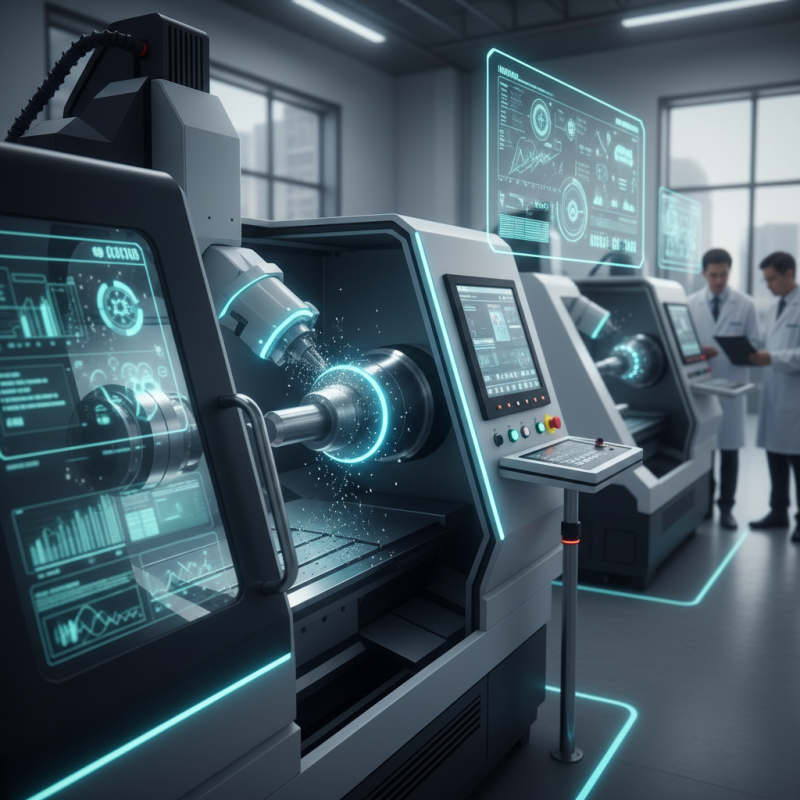
Top Features to Look for in CNC Lathe Machines 2026
When investing in CNC lathe machines for 2026, several features stand out. Precision is key. Modern machines achieve tolerances as tight as 0.001 mm. This level of accuracy supports a wide range of industries, from aerospace to automotive. A report by Market Research Future indicates that the CNC machine market is expected to grow at a CAGR of 5.2% from 2021 to 2026. This signals increasing demand for precision engineering.
User-friendly interfaces are also crucial. Machines with intuitive controls reduce operator errors. Look for touchscreen panels and programmable features. These enhancements improve workflow efficiency and cut down on training time. However, some users report that reliance on technology may lead to skill degradation among operators. This is a concern as manual machining skills are vital in troubleshooting.
Integration with Industry 4.0 is becoming essential. Machines that connect seamlessly with IoT systems provide valuable data insights. These insights can help in predictive maintenance. Yet, security vulnerabilities can pose risks if not addressed. Companies need to ensure their systems are safeguarded against cyber threats. Balancing innovation with security remains a critical challenge for manufacturers and users alike.
Comparison of Popular CNC Lathe Machine Brands and Models
When considering CNC lathe machines in 2026, it's essential to explore the variety of options available. Popular models often stand out for their precision and versatility. Features like spindle speed, maximum swing, and control systems greatly influence performance. Specific models cater to different manufacturing needs. Some excel at mass production, while others are more suitable for small batch runs.
User experiences reveal mixed feedback on certain models. Some users appreciate the intuitive interfaces. Others find issues with software integration. It’s crucial to examine the learning curve associated with each machine. Not all operators adapt quickly to new technology. This can lead to inefficiencies during the initial setup phase. Additionally, maintenance requirements can vary significantly among brands. Some machines need frequent servicing, while others have robust and durable designs.
Evaluating customer service from manufacturers is another critical factor. Good support can make a difference in machine longevity. Technicians may assist with troubleshooting or routine checks. However, some brands fall short in this area, prompting delays in repairs. Understanding these nuances will help make a well-informed choice. Each model comes with its strengths and weaknesses, making thorough research essential.
Understanding CNC Lathe Machine Specifications and Terminology
CNC lathe machines are essential in modern manufacturing. Understanding their specifications is critical for selection. Key terms include spindle speed, torque, and feed rate. Spindle speed affects the material removal rate. A higher speed often results in a smoother finish but can lead to overheating.
Torque is crucial for cutting harder materials. Machines with higher torque can handle tougher jobs, but they might consume more power. Feed rate measures how fast the tool moves through the material. This can impact both cycle time and precision. Higher feed rates may reduce accuracy, especially with complex shapes.
Tips: Always review the specifications carefully. Don’t rush into a decision. Take the time to compare different models. Look for machines that balance speed, torque, and feed efficiently. Investing in the right CNC lathe will pay off in the long run.
In 2022, the CNC lathe market was valued at around $4 billion. Projections indicate steady growth, driven by demand in industries like automotive and aerospace. However, the complexity of specifications can overwhelm buyers. It’s important to prioritize needs over flashy features. Reflect on what works best for your projects.
Tips for Selecting the Right CNC Lathe Machine for Your Project
When selecting a CNC lathe machine, understanding your project requirements is essential. Industry data suggests that over 70% of machining errors stem from improper machine selection. It's critical to prioritize the specifications that matter most to your work. Consider the materials you will be using. Different lathes excel with specific metals, plastics, or composites.
Pay attention to the machine’s spindle speed. An optimal speed range can drastically affect the finish quality of your parts. Many reports indicate that lathes operating between 1500-3000 RPM offer the best versatility for most engineering applications. Don’t overlook the cutting tool compatibility either. Using the wrong tools can lead to inefficiencies and increased costs.
Another aspect to reflect on is automation features. While automation can boost productivity, it may also introduce complexity. Comprehensive studies show a 30% reduction in setup time with automated features, yet they require skilled operators to manage effectively. Assess your team's experience with such technology. Balancing efficiency and operator capability is crucial for successful project outcomes.
Top CNC Lathe Machines 2026: Key Features and Specifications
This bar chart illustrates the key features of top CNC lathe machines in 2026, displaying metrics such as maximum rotational speed, chuck size, cutting diameter, and tool holder capacity. Understanding these dimensions is crucial for selecting the right lathe machine for your projects.
Future Trends in CNC Lathe Machine Technology for 2026
The CNC lathe machine industry is evolving rapidly. By 2026, advancements will likely prioritize automation and smart technology. A report from MarketsandMarkets suggests that the CNC machine market could reach $100 billion by 2026. This shift towards smart CNC technology will improve efficiency and reduce production costs, but it also raises concerns about job displacement.
Data from Statista indicates that automation in manufacturing can enhance precision by up to 40%. However, not all manufacturers can integrate these technologies equally. Some smaller companies may struggle to adapt. This gap often leads to uneven competition in the CNC sector. As companies adopt advanced features, including IoT connectivity, maintaining legacy machines will be crucial for some.
The push for sustainability is another trend to watch. Increasing environmental regulations will demand eco-friendly practices. Companies may invest in energy-efficient machines and recycling technologies. Yet, the transition could be slow. Many industries are setting goals but find it hard to execute them. The challenge remains in balancing innovation with practicality in the ever-competitive market landscape.