
Automated Dispensing Robot Videos

A World of Robotic Dispensing and Assembly Solutions

Top 10 Glass Coating Manufacturers for Global Buyers

Glass Coating technology can change how a building handles sunlight, heat, glare, and daily wear. For global buyers, choosing a manufacturer is not just a price comparison. The coating must suit the glass substrate, production method, climate, and intended use. A sample may look clear beneath showroom lights, then appear reflective beside a bright window. Small details matter.

Glass scientist John C. Mauro’s research focuses on glass structure and performance. The following is an editorial paraphrase of that expertise, not a verbatim quotation: “A coating performs well only when its properties match the glass and its real operating conditions.” That distinction is easy to overlook. Buyers should compare measurable data, including visible light transmission, emissivity, solar heat gain, durability, and available test documentation. They should also ask how consistent performance is across production batches.

This Top 10 guide introduces manufacturers serving different markets and application needs. It considers product range, technical support, manufacturing capacity, and evidence behind performance claims. These factors can help narrow a shortlist, but no ranking replaces project-specific testing. Specifications do not always reveal how a coated pane will look in a particular façade. Sometimes the comparison is messy. Confirm the details before committing.
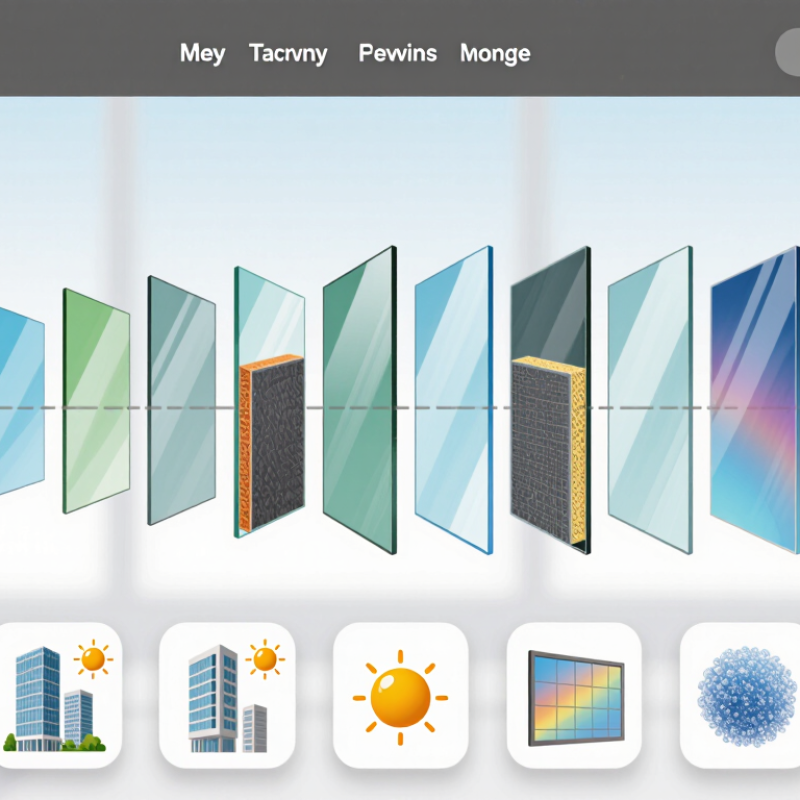
Top 10 Glass Coating Manufacturers for Global Buyers

What Glass Coatings Are and Where They Are Used

Glass coatings are thin functional layers applied to glass surfaces to change how they handle light, heat, water, or wear. Some coatings reduce glare or limit solar heat entering a room. Others help water bead off shower screens and exterior windows. Their performance depends on the coating type, glass construction, installation, and care.

You may find coated glass in office façades, vehicle windows, skylights, display cases, and household shower doors. In a sunlit room, a suitable solar-control coating can reduce heat gain while still allowing daylight inside. Low-emissivity coatings can help limit heat transfer through windows. Anti-reflective layers improve visibility in display and viewing applications. The details matter: a coating designed for indoor use may not suit an exposed exterior surface. And no coating solves every problem.

Tips: Match the coating to the location and purpose. Check whether it belongs on the interior or exterior face, and follow the manufacturer’s cleaning guidance. Avoid abrasive pads unless the product instructions specifically permit them. A small sample can help reveal tint or reflectivity before a large installation. I have seen specifications overlooked; that is an easy mistake to make.

Common Types of Glass Coatings and Their Key Properties

Glass coatings solve different problems. Low-emissivity (low-E) coatings reflect long-wave heat while admitting much visible light. Solar-control coatings limit solar heat gain, useful on façades facing strong afternoon sun. The International Energy Agency and UN Environment Programme’s 2023 Global Status Report for Buildings and Construction says buildings accounted for 34% of global energy demand in 2022. That context makes coating selection more than an appearance decision.

There are trade-offs. The U.S. Department of Energy’s Energy Saver guidance reports that low-E storm windows can reduce heat loss through windows by 30%–50%; this is system-level performance, not a guaranteed result for every coating. Anti-reflective coatings reduce surface reflections, while photocatalytic self-cleaning layers use light to help break down organic dirt. Hydrophilic surfaces let rain spread into a sheet, though dust may still remain around frames. Small details matter. Before specifying a coating, compare visible-light transmission, solar heat-gain performance, and the glass’s orientation. A darker interior can signal reduced daylight, even when glare improves. That compromise is easy to miss.

How to Evaluate Glass Coating Manufacturers

Choosing a glass coating manufacturer takes more than comparing prices. Start with the coating’s intended use: architectural glazing, vehicle windows, or display panels may need different properties. Ask for measurable data on light transmission, haze, abrasion resistance, and chemical durability. Then inspect a sample. View it under daylight and indoor lighting, since a slight color shift can be easy to miss on a specification sheet.

Request test reports that identify the method, sample preparation, and test conditions. Results are difficult to compare when suppliers use different methods. Ask how they control coating thickness, surface cleanliness, and curing temperature across production batches. A capable manufacturer should explain these steps clearly and provide recent batch records or a trial run. Small details matter. A few uneven edges can affect an entire shipment.

Check whether the supplier can support your order volume, packaging needs, and delivery schedule, then confirm these points in writing. Ask how defects are documented and handled, and who responds when a shipment fails inspection. References from buyers with similar glass types can add useful context, but they are not proof of consistent performance. I would also question impressive claims that lack test conditions; sometimes the paperwork looks better than the coating. Compare sample results with your own acceptance criteria before committing to a large order.

How to Evaluate Glass Coating Manufacturers

Suggested buyer-priority weights for comparing suppliers. These percentages are an illustrative procurement framework, not results from an industry survey. Adjust them to match your application and requirements.

Profiles of 10 Glass Coating Manufacturers Serving Global Buyers

The ten manufacturer profiles cover architectural low-emissivity, solar-control, self-cleaning, anti-reflective, hard-coat, and soft-coat producers. They also include automotive-glass, display-glass, specialty-glass, and regional custom-coating suppliers. These are capability profiles, not interchangeable product categories. A supplier may serve several markets, but substrate compatibility still needs verification. The International Energy Agency’s 2023 Global Status Report for Buildings and Construction states that buildings used 30% of global final energy in 2022. Glass coatings can support building-envelope performance, although results depend on climate, glazing design, frames, and installation.

A useful buyer-facing profile compares measurable specifications, not broad claims. Check visible-light transmission, solar heat gain, durability tests, coating location, and compatible glass thickness. Ask for test reports and sample panels. A coating that looks clear under showroom lights may appear different beside a sunlit window. Profiles should also distinguish high-volume producers from smaller custom coaters. Review production capacity, packaging, export experience, lead times, and technical support. Some suppliers publish excellent data but provide limited project guidance; that gap deserves scrutiny.

Tips: Match coating performance to the project climate and orientation. Request a sample, then inspect it in real daylight. Confirm test methods before comparing figures.

How Global Buyers Can Compare Suppliers and Choose a Manufacturer

Comparing glass coating manufacturers takes more than checking price lists. Start with the glass type, coating function, and intended environment. A coating for shower panels may need different abrasion and water-resistance performance than one for a building façade. Ask suppliers for technical data sheets and test conditions, not just headline performance figures. A number without a test method is hard to compare.

Request samples that match your production process. Check clarity, color shift, edge coverage, and adhesion under realistic handling. Ask how the manufacturer controls coating thickness and batch variation. Review production capacity, lead times, packaging, and how complaints are investigated. References from similar projects can help, but verify that they reflect comparable glass and conditions. A polished brochure is not proof. Even a detailed supplier review can miss a production wrinkle, so a small trial is worth the effort.

Tips: Send every shortlisted supplier the same specification and questions. Record test methods, sample results, tolerances, and delivery commitments in one comparison sheet. Confirm whether quoted performance applies to the finished glass or only to a laboratory sample. Ask for written clarification when answers are vague.