Top Quality Dump Truck Hydraulic Cylinder from China Best?
When considering the purchase of a Dump Truck Hydraulic Cylinder, quality remains paramount. These components play a crucial role in the efficient operation of heavy machinery. With numerous manufacturers claiming to offer the best products, selecting a trusted supplier can be challenging.
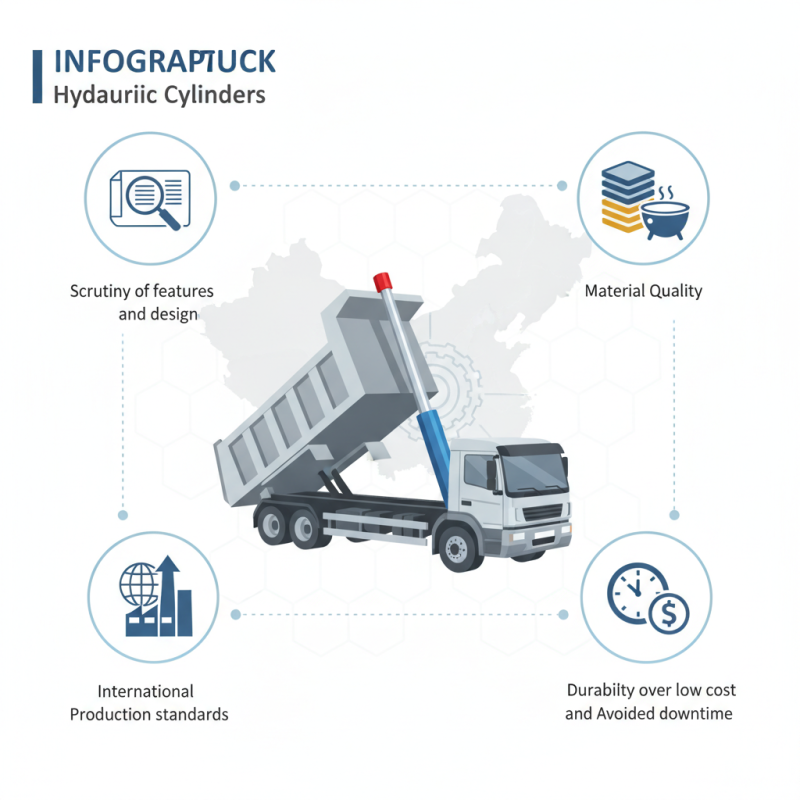
Chinese manufacturers have gained a reputation in the industry. They often provide high-quality Dump Truck Hydraulic Cylinders at competitive prices. However, not every product meeting these claims holds the same level of reliability. It is essential to scrutinize features, material quality, and design. Investing in a cylinder that fails can lead to costly downtime and repairs.
While the allure of low-cost options is tempting, buyers must weigh the benefits of quality over price. Questions arise: How can one ensure durability? Are the production standards meeting international guidelines? Each of these concerns contributes to an informed purchase decision, emphasizing the need for thorough research and consideration before diving into the market.
Top Features of Hydraulic Cylinders in Dump Trucks
Hydraulic cylinders are crucial components in dump trucks. They provide the necessary force to lift and lower the truck bed. Understanding their features is vital for operators and fleet managers. Top-quality hydraulic cylinders should possess durability, efficiency, and reliability.
One key feature is the cylinder's material. High-strength steel is preferred for its resilience under pressure. A report from the International Journal of Engineering Research indicates that hydraulic cylinders made from robust materials can withstand harsh conditions. Additionally, the seal design plays a significant role in performance. Quality seals prevent leaks and reduce maintenance costs, according to recent industry studies.
Tips: Regular inspection of hydraulic systems can prolong their lifespan. Look for signs of wear, such as fluid leaks or unusual noises. This proactive approach can save on costly repairs.
Moreover, choosing the right specifications is essential. Consider stroke length and bore size based on the dump truck's weight and intended use. A cylinder that's too small can fail under heavy loads, while one that's oversized may cause inefficiencies. Experts recommend aligning the cylinder's design with the truck's operational needs to maximize performance.
Comparative Analysis: China vs. Global Hydraulic Cylinder Standards
When comparing hydraulic cylinders from China and the rest of the world, several factors come into play. China's manufacturing capabilities are impressive, often offering competitive pricing and large volumes. However, quality control remains a concern. Variations in standards can lead to inconsistencies in performance. Some Chinese manufacturers focus heavily on production speed over precision, which may affect longevity.
Tips for quality assessments: look for certifications and industry standards. A cylinder that meets or exceeds ISO or SAE standards is often a safer bet. Research the manufacturer's history and explore reviews from past customers. A company with a solid track record is likely more reliable.
Meanwhile, global standards demand rigorous testing and quality assurance. Manufacturers abroad often invest heavily in research and development. This can result in innovative designs and longer-lasting products. However, these advantages may reflect higher costs.
It's important to weigh the trade-offs. Low prices can be appealing, but they may come with hidden risks. Understanding these nuances can help make informed decisions. Buying a hydraulic cylinder is not just about the initial purchase cost. Long-term performance and maintenance play significant roles in overall value.
Key Manufacturers of Dump Truck Hydraulic Cylinders in China
China is a major player in the hydraulic cylinder market, particularly for dump trucks. The country is home to several key manufacturers that have established a strong reputation for quality and innovation. According to industry reports, the global hydraulic cylinder market is projected to grow significantly, reaching USD 16.89 billion by 2025, with Asia-Pacific leading in demand. This reflects the importance of reliable hydraulic systems in heavy-duty vehicles.
Manufacturers in China focus not only on production capacity but also on technological advancements. Many have adopted advanced manufacturing techniques, which enhance durability and efficiency. Industry data indicates that over 60% of hydraulic cylinder failures stem from poor design or manufacturing defects. Thus, it is crucial for companies to ensure rigorous quality control measures. This commitment helps reduce unnecessary downtime for vehicles and improves overall operational effectiveness.
Despite progress, some challenges persist. Some manufacturers still rely on outdated practices that affect their competitiveness. This indicates room for improvement in aspects like materials and design processes. The continuous evolution of international standards requires adaptation from all players in the market. As demand grows, so must the quality of products. Proper oversight and innovation can drive the industry forward, ensuring it meets the needs of modern infrastructure and transportation.
Performance Metrics: Load Capacity and Pressure Ratings Explained
When selecting a hydraulic cylinder for dump trucks, performance metrics matter greatly. Load capacity is one of the critical factors. A well-designed hydraulic cylinder should handle heavy loads without compromising stability. Various factors impact this capacity, including the materials used and the design geometry. For example, cylinders made with high-strength steel often provide better load handling, but weight must also be considered.
Pressure ratings are another vital aspect. This rating indicates how much pressure the cylinder can withstand. A higher rating allows a cylinder to operate efficiently under demanding conditions. Some manufacturers may list impressive pressure ratings, yet actual performance must be validated through rigorous testing. A cylinder might fail if it’s pushed beyond its limits, causing costly downtime. The reliability of a hydraulic cylinder is as important as its specifications.
In practice, performance does not always align with expectations. Users often discover weaknesses after extended use. Rigorous testing can shine a light on potential failures. Maintenance intervals play a crucial role as well. Regular checks help avoid catastrophic failures. Therefore, understanding both load capacity and pressure ratings ensures better decision-making for selecting a hydraulic cylinder. Balancing these specifications with real-world performance ultimately enhances the efficiency of dump trucks.
Top Quality Dump Truck Hydraulic Cylinder Performance Metrics
| Model | Load Capacity (tons) | Pressure Rating (bar) | Bore Diameter (mm) | Stroke Length (mm) |
| Model A | 15 | 210 | 100 | 500 |
| Model B | 20 | 250 | 120 | 600 |
| Model C | 18 | 230 | 110 | 550 |
| Model D | 25 | 300 | 130 | 700 |
Market Trends and Technological Innovations in Dump Truck Cylinders
Hydraulic cylinders in dump trucks play a crucial role in their overall efficiency and performance. Recent market trends indicate a growing demand for high-quality hydraulic solutions. Manufacturers are focusing on durability and reliability. This shift is largely driven by the increasing need for reliable heavy-duty equipment in construction and mining sectors.
Technological innovations are key in this evolution. New materials, such as advanced alloys, enhance strength while reducing weight. Improved sealing technologies prevent leaks and prolong cylinder life. However, the integration of smart technologies raises concerns. While automation can boost efficiency, it also increases complexity. Companies must balance innovation with user-friendliness.
Data shows a trend towards sustainability as well. More manufacturers are exploring eco-friendly hydraulic fluids. This shift not only benefits the environment but also aligns with regulatory requirements. While adapting to these changes, the industry faces challenges. It must address cost implications and the need for worker training. The road to improvement is not without obstacles, but the promise of enhanced performance is enticing.