Top 10 Stainless Steel Welded Pipe Suppliers in China?
The demand for Stainless Steel Welded Pipe is growing rapidly in various industries. Manufacturers in China have become key players in this market. Their expertise in producing high-quality welded pipes is remarkable. These suppliers utilize advanced technology and skilled labor to meet global standards.
However, not all suppliers are created equal. Some lack the necessary certifications and quality control measures. It's crucial for buyers to thoroughly evaluate each supplier's qualifications. Factors such as material sourcing, manufacturing processes, and customer reviews are essential for making informed decisions.
In this landscape, navigating the top suppliers can be a challenge. We will explore ten of the leading Stainless Steel Welded Pipe suppliers in China. Each of these companies has established a reputation based on reliability and product excellence. Understanding their strengths and weaknesses can help potential buyers choose wisely.
Overview of Stainless Steel Welded Pipes in China
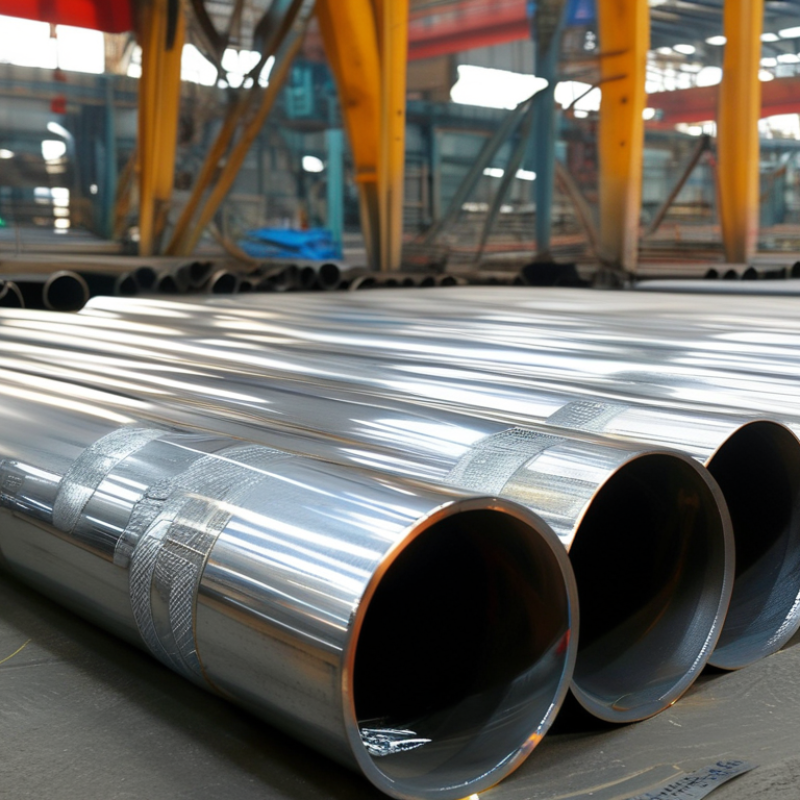
Stainless steel welded pipes are crucial in various industries in China. Their strength and resistance to corrosion make them a preferred choice for construction and manufacturing. They are often used in water supply, chemical processing, and food processing sectors. The production of these pipes involves advanced welding techniques. This ensures high-quality welds and structural integrity.
China has many suppliers of stainless steel welded pipes. They range from small factories to large manufacturers. While many companies claim to produce high-quality pipes, not all meet international standards. It is essential for buyers to conduct thorough research. Analyzing certifications and testing methods is vital to ensure reliability.
Challenges in the industry include quality control and evolving regulations. Some suppliers may cut corners to reduce costs. This can lead to inferior products, resulting in safety hazards. Buyers should seek suppliers with a proven track record and positive customer feedback. A focus on sustainability and eco-friendly practices is increasingly important for manufacturers.
Criteria for Selecting Top Welded Pipe Suppliers
When selecting a welded pipe supplier, understanding their experience is vital. A supplier with years in the industry often has refined processes and a robust supply chain. They know how to handle various materials and meet customer needs effectively. An experienced supplier will typically offer valuable insights into market trends and product specifications.
Evaluating a supplier's expertise is equally important. Look for certifications that demonstrate their commitment to quality. Certifications like ISO ensure that manufacturers adhere to strict standards. Additionally, checking for customer reviews adds a layer of reliability. Positive feedback often indicates a supplier's ability to deliver on their promises. A strong reputation usually signifies trustworthiness in manufacturing processes.
It's also essential to consider their pricing and delivery options. While it's tempting to choose the lowest price, this could affect quality. Striking a balance is necessary for long-term partnerships. Assessing lead times and order fulfillment rates can also reveal potential issues. Efficient delivery is crucial in maintaining project schedules. Remember, a supplier's relationship with its clients reflects its overall commitment to providing high-quality products.
List of Leading Stainless Steel Welded Pipe Manufacturers in China
The stainless steel welded pipe industry in China has seen significant growth, driven by increasing demand across various sectors. According to a recent market analysis by Research and Markets, the global stainless steel welded pipe market is expected to grow at a CAGR of 4.2% from 2021 to 2026. China, as a leading manufacturer, contributes substantially to this growth.
Several manufacturers stand out in the industry. They focus on high-grade stainless steel materials, advanced welding techniques, and strict quality control measures. Reports indicate that over 30% of these manufacturers have obtained international quality certifications, enhancing their credibility. This commitment to quality is crucial in industries like construction, automotive, and chemical processing, where pipe reliability is paramount.
However, not all suppliers meet the high standards needed. Some face challenges related to consistency and material sourcing, which can affect product quality. It's vital for buyers to conduct thorough audits and assess supplier capabilities. Transparency and communication will play essential roles in building trustworthy relationships in this competitive market.
Key Features and Innovations from Top Suppliers
The stainless steel welded pipe industry in China is thriving, with numerous suppliers showcasing innovative features. Several companies focus on producing high-quality, corrosion-resistant pipes, which are crucial for many industries. According to industry reports, the demand for stainless steel pipes is projected to grow by 5.7% annually through 2026. This growth is driven by increased construction activities and the rising need for durable materials.
Quality control is paramount for top suppliers. Advanced welding techniques, such as TIG and MIG, are frequently employed to ensure strong joints. Suppliers are investing in automation to enhance production efficiency. Reports indicate that automated processes can reduce downtime by as much as 15%. Additionally, innovations in surface treatment have seen some manufacturers adopt passivation methods, which increase the longevity of pipes by improving resistance to oxidation and corrosion.
However, challenges persist. While many suppliers boast cutting-edge technology, the inconsistency in quality control remains an issue. Inconsistent material sourcing can lead to variations in pipe strength and performance. Buyers need to conduct diligent checks to ensure compliance with international standards. Maintaining transparency in production processes is essential for reliability. Overall, this sector is dynamic and continuously evolving, but it must address persistent gaps in quality assurance to fulfill its potential.
Market Trends and Future Outlook for Stainless Steel Pipe Industry in China
The stainless steel pipe industry in China is witnessing significant changes. Growing demand in construction and manufacturing drives this change. New technologies are emerging, aimed at enhancing production efficiency. Companies are investing in automated systems to streamline operations.
Tips for businesses: stay informed about industry regulations. Compliance can prevent costly penalties. Understanding market trends is vital. Use research to forecast demand accurately. Ignoring market shifts can result in overproduction or stock shortages.
The future outlook appears promising. Sustainable practices are becoming essential. Suppliers are prioritizing eco-friendly materials. Manufacturers need to adapt. Embracing innovation is critical for survival. Competition is fierce, but businesses that differentiate themselves will thrive. Staying stagnant could lead to lagging sales and reputational harm.