
Automated Dispensing Robot Videos

A World of Robotic Dispensing and Assembly Solutions

Top 10 Types of Thermoforming Machines for Global Buyers

Choosing the right Thermoforming Machine is rarely a simple purchase decision. Global buyers must compare forming methods, material compatibility, output speed, tooling costs, and after-sales support. A machine that performs well in a high-volume packaging plant may struggle in a smaller workshop with limited floor space. Real operating conditions matter.

This guide examines ten major types of thermoforming machines used across packaging, medical, food, automotive, and consumer-product manufacturing. Each type offers a different balance between automation, precision, energy use, and production flexibility. Rotary systems can support continuous output, while inline machines often suit integrated production lines. Vacuum forming remains practical for selected shapes, but pressure forming may deliver sharper details and cleaner surfaces.

Look closely.

Reliable selection also requires attention to heating zones, mold-change time, sheet thickness, cooling capacity, and control systems. Buyers should request production samples, inspect safety features, and verify service response in their region. Supplier claims can sound impressive. Factory evidence is stronger.

This overview follows practical purchasing experience and established manufacturing principles, while recognizing that specifications vary by supplier and application. No single machine fits every factory. That assumption often creates avoidable costs. The final decision should consider current demand, future expansion, trained operators, maintenance access, and the materials approved for the finished product. Some recommendations may need revision after testing, because actual forming results can differ from catalog data.
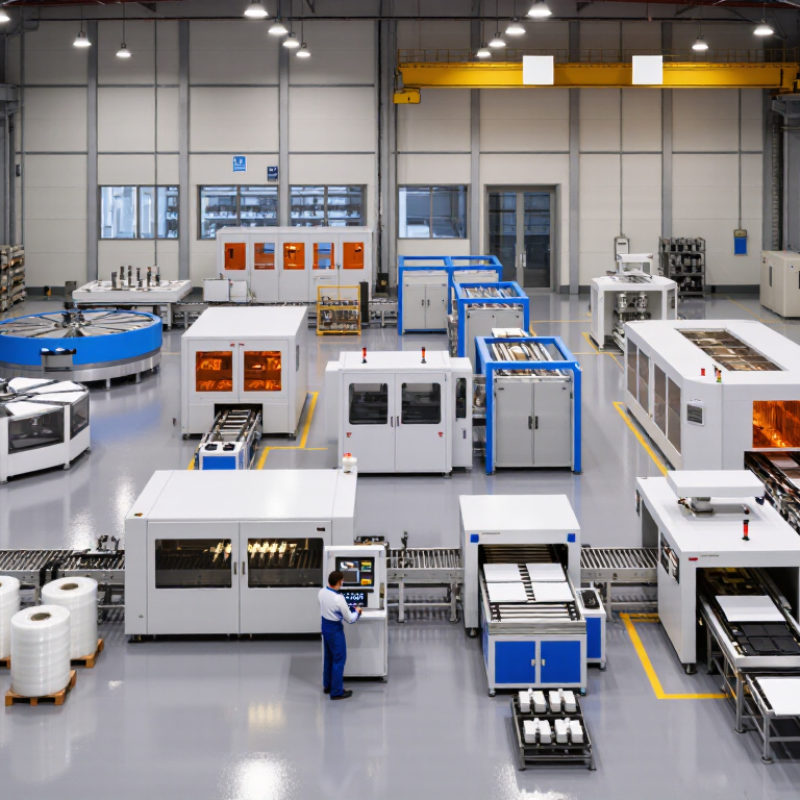
Top 10 Types of Thermoforming Machines for Global Buyers

What Thermoforming Machines Are and How They Are Classified

Thermoforming machines heat plastic sheets until they become flexible. A mold then shapes the softened sheet through vacuum, air pressure, or mechanical force. Cooling fixes the final form. Trimming usually follows. Unlike injection molding, thermoforming starts with a sheet, so heating control and material distribution are critical. In practical purchasing work, the machine must match the product, material, output, and available floor space.

The ten common categories include vacuum, pressure, twin-sheet, plug-assist, roll-fed, cut-sheet, inline, rotary, single-station, and continuous thermoformers. Vacuum machines pull heated plastic against a mold and suit many simple shapes. Pressure systems add compressed air for sharper details. Twin-sheet machines form two parts and join them into hollow products. Plug-assist units improve wall thickness in deep cavities.

Roll-fed systems support steady production, while cut-sheet models offer flexible batch handling. Inline, rotary, and continuous machines target higher throughput. Single-station equipment suits prototypes, short runs, and changing molds.

This classification is useful, but it is not perfectly rigid. One machine may combine several operating methods. Engineers also examine heating zones, mold cooling, forming depth, trim accuracy, and scrap handling. Material thickness can change cycle time more than expected. A small sample run often exposes weak corners, uneven walls, or difficult release angles. Specifications alone can mislead. I would not choose a machine from output numbers only; real parts, tooling trials, operator skill, and maintenance access deserve equal attention.

Vacuum, Pressure, and Twin-Sheet Thermoforming Machines

For global buyers, thermoforming machine selection starts with the part, not the catalog. Among ten common types, vacuum, pressure, and twin-sheet systems serve many packaging, tray, and enclosure applications. Vacuum forming uses negative pressure to pull heated sheet against mold contours. It is cost-effective for moderate detail and shallow-to-medium depth. A technician should check plug-assist needs, cooling time, and wall-thickness variation before approving a quote. Small corners can expose large process problems.

Pressure forming adds compressed air above the sheet. The extra force captures sharper ribs, textures, and surface details than vacuum alone. It suits durable housings and presentation surfaces where appearance matters. Evaluation should include pressure stability, mold venting, cycle repeatability, and energy consumption. A pressure machine may produce impressive detail, but poor temperature control can still cause webbing or brittle edges.

Twin-sheet thermoforming heats two sheets and forms them separately before joining them. The result can be a hollow panel with built-in stiffness, channels, or enclosed air space. This method fits pallets, ducts, containers, and lightweight structural parts. Buyers should inspect sheet alignment, weld strength, trimming accuracy, and mold-change access. Tooling is more complex. That matters. In practice, promised output may not match a factory trial, especially with recycled or mixed-grade sheet. Request samples, measured thickness maps, and maintenance records. A careful trial often reveals more than a polished specification.

Automatic, Semi-Automatic, and Manual Thermoforming Systems

Thermoforming machines usually fall into three operating groups: automatic, semi-automatic, and manual systems. Each group serves different production realities. Automatic thermoformers handle sheet loading, heating, forming, trimming, and stacking with limited operator input. They suit stable, high-volume orders where cycle time matters. Servo-controlled motion can improve repeatability, but only when temperature settings and mold alignment remain consistent.

Semi-automatic systems require operators to load sheets or remove formed parts. They offer a practical balance for medium-volume production, frequent mold changes, and varied product sizes. A trained operator can inspect edges, adjust sheet placement, and catch wrinkles before defects multiply. This flexibility has a cost. Output may vary between shifts, especially when work instructions are vague or cooling time is shortened.

Manual thermoforming machines fit prototypes, repair work, custom packaging, and small batches. They usually need more hands-on control during heating and forming. Their lower entry cost can help smaller workshops test a design before investing in automation. However, manual results depend heavily on operator judgment. I have seen attractive first samples fail during longer runs because heat distribution was uneven. That lesson is easy to miss. Buyers should compare cycle time, sheet thickness, mold-change duration, energy use, and training needs. A machine that appears inexpensive may create more scrap, labor pressure, or maintenance work. Ask for production trials using your actual material, mold, and target dimensions. Specification sheets rarely show every weakness.

Roll-Fed, Sheet-Fed, and Continuous Thermoforming Machines

Top 10 Types of Thermoforming Machines for Global Buyers

Roll-fed thermoforming machines suit high-volume production with steady material demand. They pull plastic film from a mounted roll, heat it, form it, and trim parts continuously. This layout reduces manual loading and often improves output consistency. Buyers should inspect roll width, heating zones, forming depth, and automatic tension control. A poorly matched roll diameter can create frequent changeovers. That choice matters.

Sheet-fed machines handle pre-cut sheets and offer greater material flexibility. Operators can test several thicknesses or switch between engineering plastics more easily. These machines work well for custom trays, protective packaging, and shorter production runs. Check sheet-loading height, mold access, and cycle records during a factory evaluation. Not always faster. However, they may reduce startup waste when orders change often.

Continuous thermoforming machines integrate heating, forming, cooling, and cutting into one synchronized line. They are suitable for long runs, including food containers, medical packaging, and industrial covers. Roll-fed lines commonly support this workflow, while sheet-fed systems may use indexed cycles. Buyers should verify temperature uniformity across the web, plug-assist control, scrap handling, and cleaning access. Ask for sample parts from your own material. Measure twice. A machine can meet its brochure speed yet miss thickness targets at corners. Experienced suppliers should provide test data, maintenance intervals, operator training, and documented safety specifications for the destination market.

Top 10 Types of Thermoforming Machines for Global Buyers - Roll-Fed, Sheet-Fed, and Continuous Thermoforming Machines

Machine Type Feed Method Typical Materials Common Product Formats Typical Sheet or Film Thickness Typical Production Range Automation Level Best-Suited Applications
Inline Roll-Fed Thermoforming Machine Roll-Fed PET, PS, PP, PVC, PLA, and multilayer laminates Shallow trays, lids, food containers, and disposable packaging Approximately 0.15–1.50 mm High-speed packaging cycles; commonly 20–60 cycles per minute High Food packaging, medical disposables, and consumer packaging
Roll-Fed Vacuum Thermoforming Machine Roll-Fed PS, HIPS, PET, PP, PVC, and coated plastic webs Thin-wall trays, blister packs, inserts, and lids Approximately 0.15–1.20 mm Typically 15–50 cycles per minute, depending on mold area and material Medium to high Cost-sensitive, high-volume packaging production
Roll-Fed Pressure Thermoforming Machine Roll-Fed PET, PP, PS, PLA, and barrier laminates Detailed trays, sealed packages, and containers with defined corners Approximately 0.20–1.50 mm Commonly 10–40 cycles per minute High Applications requiring sharper detail and improved wall definition
Automatic Sheet-Fed Thermoforming Machine Sheet-Fed ABS, HIPS, HDPE, PP, PETG, PVC, and acrylic sheet Large covers, equipment housings, liners, and industrial panels Approximately 1.00–12.00 mm Usually 2–15 cycles per minute Medium to high Industrial components and medium-to-large formed parts
Twin-Sheet Thermoforming Machine Sheet-Fed ABS, HDPE, HIPS, PP, and engineering thermoplastics Hollow panels, ducts, tanks, pallets, and double-wall housings Approximately 1.50–10.00 mm per sheet Typically 1–8 cycles per minute Medium to high Lightweight hollow structures and integrated double-wall parts
Heavy-Gauge Thermoforming Machine Sheet-Fed ABS, HDPE, HIPS, PMMA, PC, and reinforced thermoplastics Automotive trim, refrigerator liners, machine guards, and enclosures Approximately 3.00–15.00 mm Generally 1–6 cycles per minute Medium Durable parts where rigidity, appearance, and impact resistance matter
Plug-Assist Thermoforming Machine Sheet-Fed PP, PET, HIPS, ABS, and other formable thermoplastics Deep-draw containers, cups, trays, and technical parts Approximately 0.50–8.00 mm Typically 3–20 cycles per minute Medium to high Deep cavities, more uniform wall thickness, and challenging geometries
Continuous Chain-Driven Thermoforming Machine Continuous PET, PP, PS, PLA, PVC, and multilayer packaging webs Trays, cups, lids, medical packs, and food containers Approximately 0.15–2.00 mm High-throughput operation; often 20–70 cycles per minute High Long production runs with synchronized heating, forming, and cutting
Continuous Rotary Thermoforming Machine Continuous PS, PET, PP, PVC, PLA, and coated plastic film Small trays, cups, lids, blister packs, and disposable tableware Approximately 0.15–1.20 mm Commonly 25–80 cycles per minute, depending on tooling and product size High Compact high-speed production with repeated rotary forming stations
Continuous Extrusion-Thermoforming Line Continuous PS, HIPS, PP, PET, PLA, and multilayer sheet structures Extruded sheet products, packaging trays, containers, and technical panels Approximately 0.20–6.00 mm Continuous output; line speed commonly ranges from 5–30 m/min High Integrated extrusion, forming, trimming, stacking, and scrap recycling

Note: Production ranges are indicative industry ranges. Actual output depends on material, part depth, forming area, mold design, heating system, cooling time, trimming method, and automation configuration.

How Global Buyers Compare Thermoforming Machine Types

Global buyers compare thermoforming machines by output, material, part depth, and local service access. The ten common options include vacuum, pressure, plug-assist, twin-sheet, roll-fed, sheet-fed, inline, rotary, continuous, and custom thermoformers. These categories often overlap. A roll-fed machine may also use pressure forming.

Vacuum forming suits simple trays and covers with moderate detail. Pressure forming creates sharper corners and surface definition. Plug-assist systems improve wall thickness in deep containers. Twin-sheet machines produce hollow parts, such as ducts or pallets. Roll-fed models reduce manual loading for high-volume packaging.

Sheet-fed machines offer more flexibility for thick technical parts. Rotary systems can support repeated production with compact floor space.

Inline systems connect heating, forming, trimming, and stacking. Continuous machines favor stable, large-volume output. Custom systems address unusual dimensions or material requirements.

These categories often overlap. A roll-fed machine may also use pressure forming.

I compare cycle time beside actual yield, not brochure speed. A machine running 24 cycles may waste more material than one running 18 cycles. Check heater zones, mold-change time, clamping force, and trim accuracy. Confirm electrical standards and operator training in the destination country.

Spare-part availability matters during a midnight breakdown. I have seen buyers choose a cheaper machine, then lose weeks waiting for a controller. That lesson is uncomfortable. It still deserves attention.

Ask for sample parts, energy data, and references using similar materials. Also inspect rejected parts under normal factory lighting. Performance can look different on paper.