Top 5 Tips for Choosing Electric Pesticide Sprayers?
As the agricultural industry evolves, the demand for efficient pest management solutions rises. Electric Pesticide Sprayers have gained popularity among farmers and horticulturists. According to a recent report from ResearchAndMarkets, the global market for electric sprayers is projected to grow at a CAGR of 6.5% from 2021 to 2026. This growth indicates a shift towards more sustainable and precise pest control methods.
Choosing the right Electric Pesticide Sprayer can significantly impact your crop yield and environmental footprint. Farmers must consider various factors, including tank capacity, nozzle type, and battery life. Not every model on the market can meet the specific needs of all users. It’s essential to evaluate different options carefully and avoid common pitfalls.
With so many choices available, confusion is commonplace. Many users may overlook the importance of matching the sprayer's capabilities to their specific requirements. A thorough understanding of these tools is crucial for successful implementation. By focusing on informed decision-making, you can enhance your pest management strategy and improve overall efficiency.
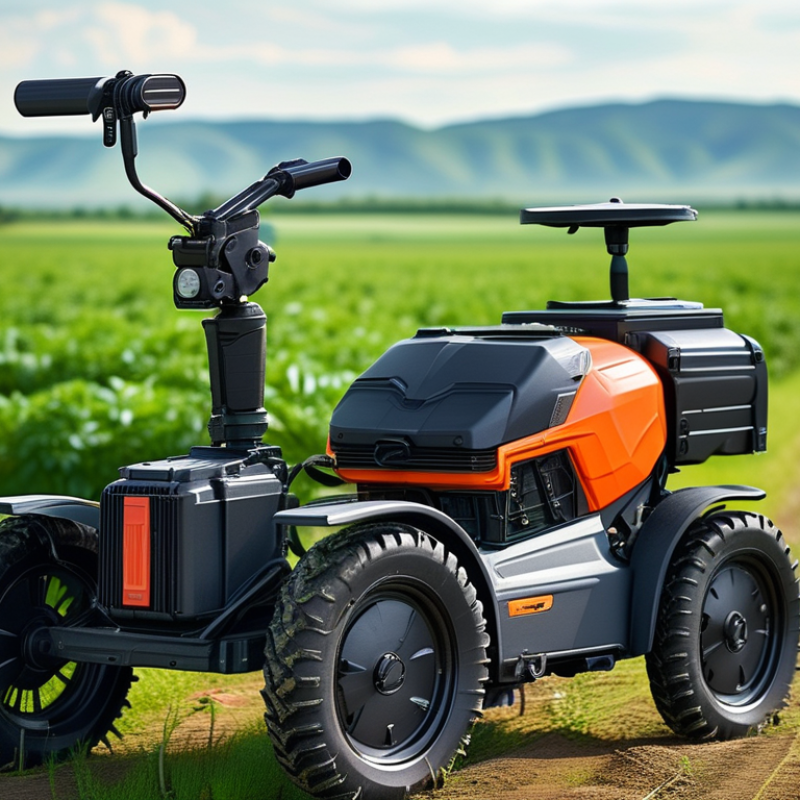
Understanding the Different Types of Electric Pesticide Sprayers
When selecting electric pesticide sprayers, understanding their different types is crucial. There are three main categories: handheld, backpack, and trailer-mounted sprayers. Handheld sprayers are easy to manage for small spaces. They are lightweight and perfect for home gardens. Backpack sprayers allow for more mobility and are suited for larger areas. They distribute pesticides evenly, reducing the chance of missed spots.
Trailer-mounted sprayers are ideal for extensive agricultural use. They can cover hectares quickly. However, they require a reliable power source and ample storage. Each type serves a unique purpose, making the right choice essential for effective pest control. Factors like tank capacity, nozzle options, and battery life can significantly impact efficiency and ease of use.
It's important to reflect on the sprayer’s compatibility with your pest management strategy. Choosing the wrong type can lead to wasted resources and ineffective pest control. Users should also consider maintenance needs to ensure longevity. Regular cleaning and battery care can prevent future headaches. Investing time in selecting the right sprayer pays off in the long run.
Evaluating the Capacity and Range of Electric Pesticide Sprayers
When selecting an electric pesticide sprayer, evaluating its capacity and range is crucial. Many professionals suggest that sprayers should have a tank capacity of at least 10-20 gallons for effective pesticide application across larger areas. According to a report from the Environmental Protection Agency, using adequate equipment can improve pesticide efficacy by 30%. This statistic highlights the importance of choosing a sprayer that suits your needs.
The range of the electric sprayer is equally important. Models with a range of at least 25-30 feet ensure thorough coverage of plants and soil. Sprayers with adjustable nozzles can cater to various tasks. However, some users report challenges in achieving even distribution, highlighting the need for careful calibration. Poor adjustment can lead to inadequate pest control.
Capacity impacts how often you refill and how much time you save. Smaller tanks might require frequent interruption, which can disrupt your workflow. Additionally, the efficiency of a sprayer can vary based on the specific crops or environment. There is no one-size-fits-all solution, and evaluating your specific needs is essential. Understanding these factors can guide better choices in electric pesticide sprayers.
Considering Battery Life and Power Options for Sprayers
When selecting electric pesticide sprayers, battery life and power options are crucial factors. A recent industry report noted that up to 40% of sprayer users prioritize battery efficiency. This reflects a growing demand for reliable power sources in agricultural technologies. Sprayers with robust lithium-ion batteries often provide longer usage times, which can dramatically enhance operational efficiency. Users can spray larger areas without frequent recharging.
Power options vary significantly among models. For instance, some sprayers offer adjustable pressure settings, allowing for tailored application rates. The ability to switch between different power levels can ensure a balance between battery life and pesticide efficacy. Moreover, newer sprayers may feature eco-friendly modes that optimize battery consumption without compromising performance.
While conventional options have served well, they may lack the advanced technology found in newer models. Many farmers, faced with outdated equipment, find themselves reconsidering their choices. They may question if their current sprayer meets modern requirements for efficiency and sustainability amid climate considerations. Balancing power with agricultural needs is essential for effective pest management.
Assessing Ease of Use and Maintenance for Optimal Performance
When selecting electric pesticide sprayers, ease of use and maintenance should be a priority. A sprayer that is intuitive will minimize the learning curve. Look for ergonomic designs that are comfortable to hold. Weight is a critical factor. Heavier sprayers can cause fatigue during long usage. Choose a model that feels manageable in your hands.
Maintenance can sometimes be overlooked but is crucial for optimal performance. Easy-to-clean tanks and nozzles can save time and frustration. Check for removable components that can simplify upkeep. Regularly inspect the sprayer for wear and tear to avoid malfunctions. Simple maintenance rituals can extend the lifespan of your equipment.
Consider battery life as part of your decision. A sprayer with a long-lasting battery allows for uninterrupted work. However, you may need to recharge frequently. Balance is key — how often will it be used? An electric sprayer should fit your specific needs while being user-friendly. Even the best products require some trial and error. Always reflect on your experiences to improve future choices.
Top 5 Tips for Choosing Electric Pesticide Sprayers
| Tip | Description | Ease of Use | Maintenance Level | Performance Rating |
| Check Sprayer Capacity | Select a sprayer with adequate capacity for your needs to avoid frequent refills. | High | Low | 4.5/5 |
| Consider Weight and Portability | Choose a lightweight, easily portable sprayer for better maneuverability. | Medium | Medium | 4.3/5 |
| Look for Adjustable Nozzles | Select sprayers with adjustable nozzles for versatility in application. | High | Low | 4.7/5 |
| Assess Battery Life | Evaluate battery life to ensure it meets your usage requirements. | Medium | High | 4.4/5 |
| Review Customer Feedback | Read reviews to gauge overall satisfaction and identify potential issues. | High | Low | 4.6/5 |
Reviewing Safety Features and Compliance with Regulations
When selecting electric pesticide sprayers, safety features are paramount. According to a report from the Environmental Protection Agency (EPA), equipment failure can lead to pesticide exposure, affecting both users and the environment. A sprayer with a robust safety lock and protective clothing features can significantly reduce these risks.
Compliance with regulations is equally critical. Many jurisdictions enforce standards for pesticide application to safeguard public health. Certification from credible organizations indicates that the sprayer adheres to safety protocols. The National Pesticide Information Retrieval System highlights that non-compliant equipment can result in hefty fines.
In addition, manufacturers should provide clear guidelines for use. Understanding specific safety features, such as automatic shut-off mechanisms, enhances user confidence. Regular maintenance checks can be a challenge yet are essential for operational safety. A lack of thorough inspection can result in equipment malfunction. By focusing on these aspects, users can make informed decisions that prioritize safety and compliance.
Top 5 Tips for Choosing Electric Pesticide Sprayers