
Automated Dispensing Robot Videos

A World of Robotic Dispensing and Assembly Solutions

What Are the Top Water Ripple Panel Types in 2026?

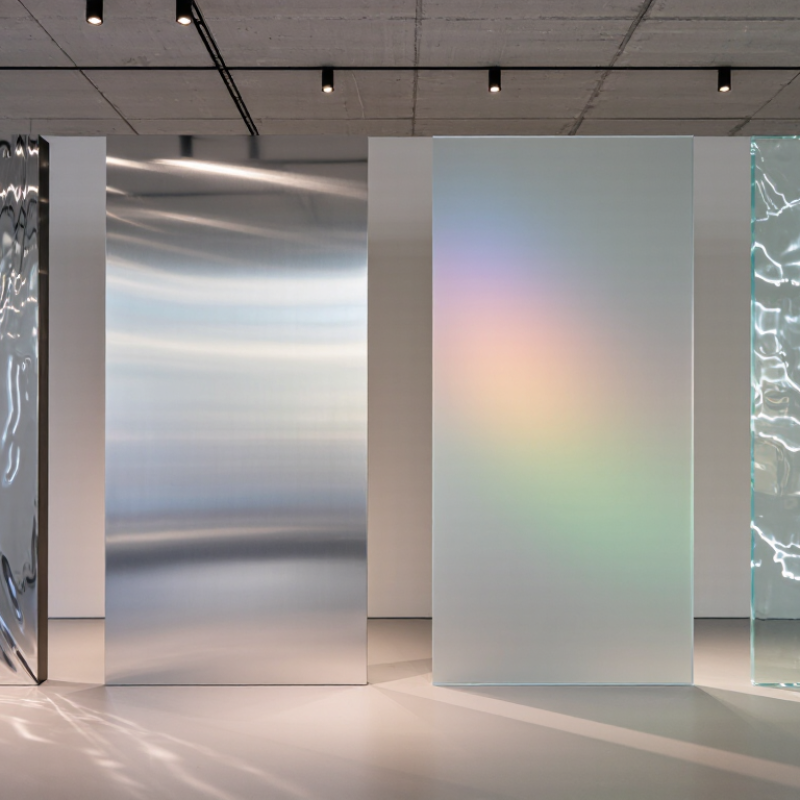
Water Ripple Panels turn reflected light into a moving design feature. Their shallow, irregular surface catches windows, ceiling lights, and nearby colors, creating shifting highlights across a wall or ceiling. In 2026, choosing a panel means looking beyond appearance. Material, finish, panel size, installation method, and room conditions all affect the final result.

This guide compares the main types: stainless steel, aluminum, glass, and acrylic options. Stainless steel can provide a durable, reflective finish, while aluminum may offer a lighter alternative. Glass brings a distinct visual quality, but its weight and handling needs deserve careful attention. Acrylic can be easier to work with in some settings, though its surface may respond differently to scratches and cleaning. Details matter.

A showroom sample is useful, but it cannot show how a full installation will look under changing light. Ask suppliers for clear product specifications, finish samples, maintenance guidance, and installation recommendations. Check that panel dimensions suit the project, and confirm how edges and joints will appear. Small gaps can stand out.

The best choice depends on the space, budget, and desired reflection—not a universal ranking. Some buyers may favor a bold mirror-like effect; others may prefer a softer ripple. The comparison ahead explains what each type does well, where compromises arise, and which questions help prevent surprises. A little uncertainty is healthy: lighting and workmanship can change the outcome.
What Are the Top Water Ripple Panel Types in 2026?

What Defines a Water Ripple Panel in 2026?

What Are the Top Water Ripple Panel Types in 2026?

What Defines a Water Ripple Panel in 2026?

A water ripple panel is a decorative surface shaped with flowing ridges or shallow waves. It does not contain water. Instead, its raised pattern bends light and creates moving highlights as people pass or lighting changes. The effect can be subtle, like soft lines across frosted glass, or bold, with deeper grooves and sharper shadows. In 2026, the term describes a design feature rather than one fixed material or product category.

Panels can be grouped by material, ripple depth, and use. Glass offers crisp reflections, while acrylic is lighter and easier to handle. Metal can add a more structured, reflective finish. Shallow ripples tend to suit calm interiors; deeper textures make a stronger visual statement. Yet the best choice depends on viewing distance, lighting, cleaning needs, and the surface behind the panel. I have seen a sample look elegant under warm light but overly busy beneath bright ceiling spots. Context matters.

How Are Water Ripple Panels Classified by Material?

Water ripple panels are best classified by their base material, not by the moving-light effect alone. Glass gives sharp reflections, a solid feel, and good scratch resistance. It is also heavy, and its edges need careful support. Acrylic (PMMA) is lighter and easier to cut, but scratches more easily and can soften under heat. Polycarbonate handles impacts well, though its surface may mark and its clarity can shift with UV exposure. Light stays crisp.

Metal panels, often stainless steel or aluminum, create a cooler, more industrial ripple. Their look changes with the finish and the angle of the light. Plastics Europe’s Plastics—The Fast Facts 2024 reports global plastics production of 413.8 million tonnes in 2023. This is not an acrylic-panel sales figure, but it provides useful context on plastic feedstock and recycling pressures. Not every room.

Tips Ask for the exact material, thickness, UV protection, and a physical sample under your own lighting. Check the edge finish and fixing method, too. One limitation worth noting: “ripple” is not a standardized material grade, so samples from different suppliers can look noticeably different.

Which Surface Patterns and Panel Forms Are Available?

Water ripple panels in 2026 come in several surface patterns, from fine, closely spaced waves to broad, irregular contours. Fine ripples create a soft shimmer under grazing light. Deeper waves cast stronger shadows and can make a wall feel more sculptural. Some surfaces repeat a regular pattern; others vary the wave height for a less uniform look. The irregular versions can feel more natural, though they may be harder to match across panel seams. Small details matter.

Panel forms affect the finished result as much as the texture. Flat sheets suit large wall or ceiling areas, while smaller modular tiles make replacement and layout changes easier. Curved panels can wrap columns or create flowing transitions, but their edges need careful planning. Perforated or formed panels may also be available, depending on the material and fabrication method. Check a full-size sample under the room’s actual lighting: a ripple that looks subtle in a showroom can appear much sharper beside a window. I would not assume every pattern works at every scale; that is easy to overlook. Compare surface depth, panel dimensions, and installation direction before choosing.

Water Ripple Panels in 2026: Surface Patterns and Panel Forms

Water ripple finishes are available in fine, medium, and coarse-looking undulating patterns, with relief that can appear shallow or pronounced. Common panel forms include flat sheets, cut-to-size tiles, and custom folded or curved panels. The chart compares common nominal stainless-steel sheet formats in inches; finished panel sizes and availability vary by material, fabrication, and supplier.

How Do Water Ripple Panels Differ in Performance and Use?

Water ripple panels differ most in material, ripple depth, and how they handle light. Textured glass produces crisp, shifting reflections and suits feature walls or protected ceilings. It is heavy, though, and needs secure support. Acrylic panels weigh less and are easier to cut for custom layouts. They can scratch more easily, and strong heat may limit placement. Stainless steel offers a durable, bright surface, but fingerprints and nearby lighting can make reflections look uneven.

The ripple pattern matters as much as the material. Shallow waves create a soft shimmer; deeper waves break reflections into bolder, less predictable shapes. That can add movement behind a reception desk, yet feel distracting across a large room. Lighting changes the effect. A narrow beam can reveal each ridge, while broad, diffuse light gives a calmer finish. Test a sample in the actual room. Small differences in viewing angle can be surprising.

For humid areas, check the panel’s moisture guidance and the condition of its edges and fixings. “Water ripple” describes an appearance, not guaranteed water resistance. Cleaning needs also vary: abrasive cloths can mark some finishes, while fingerprints stand out on polished metal. I would compare samples under daytime and evening lighting before choosing. It is easy to overestimate the drama from a showroom display. A restrained pattern may work better at home.

What Factors Guide the Choice of a Water Ripple Panel?

Water ripple panels are available in several forms, and the right choice depends on the room and the desired effect. Textured glass gives reflections a crisp, shifting look, while acrylic is lighter and easier to handle in many installations. Metal panels can create a more reflective surface, but fingerprints may show more clearly. Appearance varies with ripple depth and lighting. A small sample helps.

Consider where the panel will go, how much privacy you need, and how often the surface will be cleaned. In a bright hallway, deeper texture can scatter light and soften direct reflections. In a shower or humid room, check the manufacturer’s moisture guidance and installation requirements rather than assuming every panel suits wet conditions. Measure the full area, including edges and cutouts. Also compare weight, mounting method, and replacement options. A sample can still mislead: room lighting and viewing distance change the effect, so review it in place before ordering.

Tips: Check the care instructions, inspect a sample under daytime and evening light, and confirm panel thickness before installation. Small details matter. I’d also allow for a little uncertainty; the final reflection may look less dramatic than the showroom display.