Why Choose a Towable Boom Lift for Your Next Project?
When it comes to project efficiency, selecting the right equipment is crucial. "A Towable Boom Lift can save time and increase safety on height-related tasks," says Mike Johnson, an expert in aerial work platforms. In today’s construction and maintenance environments, this machinery stands out for several reasons.
Towable Boom Lifts offer mobility and ease of use. Their design allows operators to transport them easily to various job sites. Projects often involve tight spaces, making this lift ideal. The flexibility it provides can be a game changer. However, improper setup can lead to safety risks. Operators must receive proper training to circumvent potential issues.
Moreover, Towable Boom Lifts are cost-effective, reducing labor and rental expenses. Nevertheless, users should assess their specific needs before purchasing or renting. Each project has unique challenges, and not every lift will be suitable for every task. Recognizing these factors can lead to more successful outcomes in projects.
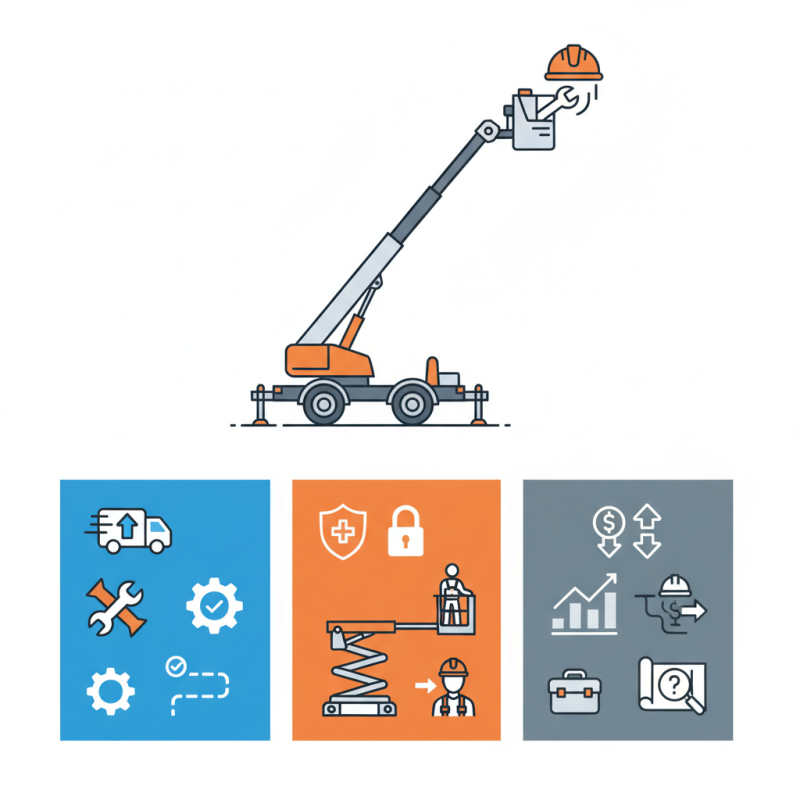
Benefits of Using a Towable Boom Lift for Outdoor Projects
When considering equipment for outdoor projects, towable boom lifts stand out. These versatile machines can easily reach high places, making them perfect for tasks like tree trimming or building maintenance. According to the Occupational Safety and Health Administration (OSHA), using such lifts can significantly reduce the risk of accidents. With a working height of up to 50 feet, they provide necessary elevation without the hassle of complex scaffolding.
Towable boom lifts are user-friendly and can be towed by standard vehicles. This portability is appealing for contractors who need to move equipment frequently. A report by the American Rental Association (ARA) highlights that the rental market for such machinery is growing, driven by their efficiency and ease of use. Many find that they can complete projects faster with these lifts, leading to increased productivity.
However, there are downsides to consider. The rental costs can add up, especially for long-term projects. Additionally, operators need adequate training to navigate safely, which some companies overlook. Investing in proper training can prevent costly mistakes and enhance safety. Understanding both the advantages and challenges is crucial for successful project execution.
Versatility of Towable Boom Lifts in Diverse Work Environments
Towable boom lifts are highly versatile tools in various work environments. They can adapt to different terrains and tasks. Whether you're working on construction, maintenance, or tree trimming, these lifts provide the elevation you need. Their lightweight design makes them easy to transport. You can easily move them from one site to another without hassle.
In tight spaces, towable boom lifts shine. They can navigate narrow alleys and small areas where larger lifts struggle. This adaptability allows workers to access hard-to-reach spots with ease. However, they can also pose risks if not used properly. Workers must always prioritize safety and ensure the lift is stable before use. Sometimes, overlooking safety checks can lead to unnecessary accidents.
The flexibility of towable boom lifts makes them ideal for diverse projects. Users can quickly adjust the height and angle of the lift to suit specific needs. Even in adverse weather, they can be an effective choice. Yet, it's essential to remain cautious of changes in conditions that could impact their performance. Being adaptable is great, but constant vigilance is crucial.
Cost-Effectiveness: Comparing Towable Boom Lifts to Other Aerial Platforms
When considering aerial platforms, cost-effectiveness is key. Towable boom lifts stand out against traditional aerial lifts and scissor lifts. They often come at a lower rental price, making them budget-friendly. Maintenance costs are also reduced. They require less frequent servicing than larger lifts.
Towable boom lifts are compact. Their small size allows easy transportation. This feature can save on logistics costs. In urban areas or tight job sites, their maneuverability shines. However, they might have limitations on height and outreach. This can be a drawback for certain tasks.
Despite their advantages, reflect on the project requirements. For extensive heights or heavy-duty tasks, a different lift may be necessary. Assessing specific project needs is vital. Not every solution fits all situations. This brings to light the importance of thorough planning and consideration.
Ease of Transport and Setup for Towable Boom Lifts
Towable boom lifts offer a practical solution for many projects. Their design allows for easy transport, making them ideal for both small and large jobs. They can be towed behind a vehicle, eliminating the need for extensive flatbed trailers. This feature alone can save time and energy, especially when moving between locations.
Setup is often straightforward, reducing the hassle on-site. Many models can be deployed in just a few minutes. This ease can be very beneficial in emergency situations, where time is critical. Users must remember to secure the lift properly before use. An overlooked detail could lead to safety issues.
These lifts are not without challenges. Not all terrains are suitable, and some setups may require additional equipment to stabilize them. It's essential to assess the worksite before deployment. While towable boom lifts are user-friendly, attention to detail matters for successful operation. Each job may expose users to unintended complications that require quick thinking and adjustments.
Why Choose a Towable Boom Lift for Your Next Project?
Safety Features and Regulations for Towable Boom Lifts in Operations
Towable boom lifts are a popular choice for various projects due to their versatility and efficiency. However, safety must always come first. Understanding the safety features and regulations for these lifts is paramount for any operator. According to industry research, equipment inspection reports indicate that nearly 30% of accidents stem from improper use of lifting equipment. This highlights the importance of thorough training and adherence to safety standards.
One critical aspect is the following safety features. Many towable boom lifts include stabilization systems, emergency stop functions, and safety harness connections. These features can significantly reduce the risk of accidents. Ensure that operators are familiar with these functions prior to operations.
Tip: Always conduct a pre-use inspection. Check for any visible damages or wear on parts and ensure the safety features are operational.
In addition to safety features, operators must follow regulations. OSHA guidelines clearly define operational standards for boom lifts. Non-compliance not only increases risks but may also lead to severe penalties.
Tip: Keep a copy of safety regulations on-site and review them regularly with your team.
Understanding these elements will enhance safety and efficiency during your projects. Investing in training and adherence to regulations can make a significant difference in outcomes.