What is Vial Filling Equipment and How Does It Work?
Vial filling equipment is essential in the pharmaceutical and biotech industries. It automates the process of filling vials with liquid substances, ensuring precision and efficiency. Dr. Susan Greene, a leading expert in the field, states, “The right vial filling equipment can significantly reduce human error and increase production rates.”
These machines operate by measuring the correct volume of liquid, then dispensing it into vials. Designed for accuracy, they minimize waste and contamination risks. Different types of vial filling equipment cater to various products, from vaccines to serums. Each piece of equipment must focus on speed and reliability.
Despite advancements, challenges remain. Variations in vial sizes and shapes can complicate operations. Equipment must be adaptable and easy to clean. Maintaining quality control is crucial. Therefore, ongoing training for operators and regular machine calibrations are necessary for optimal performance. Emphasizing these aspects can lead to improved results in vial filling processes.
Types of Vial Filling Equipment Used in Pharmaceutical Industry
Vial filling equipment is crucial in the pharmaceutical industry. It ensures the accurate and sterile filling of vials with various substances. There are several types of equipment employed for this purpose, each designed for specific requirements.
Automatic vial filling machines are widely used. They provide high-speed filling, ideal for large-scale production. These machines minimize human error and maintain consistency in volume. However, the initial investment can be substantial, and maintenance requires skilled technicians. Manual vial filling equipment, in contrast, is often more affordable. It allows for flexibility but may lead to variability in filling volumes.
Another notable type is the semi-automatic filling machine. This equipment strikes a balance between efficiency and cost. It can handle diverse vial sizes but may still be less reliable than fully automated systems. Companies often face challenges in selecting the right equipment. Key factors include production goals, budget, and desired precision. The right choice is critical, as it directly impacts product quality and compliance with regulations. Many professionals still struggle to align costs with efficiency, reflecting a common dilemma in the industry.
Key Components of Vial Filling Machines and Their Functions
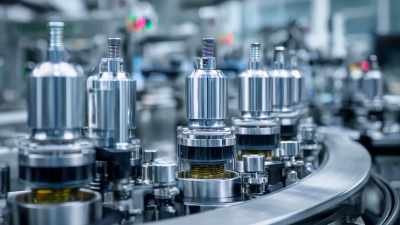
Vial filling machines are essential in the pharmaceutical and cosmetic industries. Their key components include the filling system, transport system, and capping system. Understanding these parts can enhance the efficiency of production lines.
The filling system often uses volumetric or gravimetric methods to ensure accuracy. According to industry reports, accuracy in filling can directly affect product safety and shelf-life. Volumetric systems measure liquid volume, while gravimetric systems weigh the liquid. Both methods demand precision to avoid waste and ensure compliance with regulations.
The transport system moves vials through various stages of filling and sealing. It often includes conveyors and guides. A smooth transport system reduces the risk of product spillage. Issues such as jamming or improper vial orientation can lead to costly downtime. Moreover, capping systems must securely seal vials. This prevents contamination. Failure to achieve a proper seal can have serious consequences, highlighting the importance of regular maintenance and operator training.
Working Principles of Vial Filling Equipment Explained
Vial filling equipment plays a crucial role in the pharmaceutical and biotech industries. Understanding the working principles of this equipment helps ensure efficiency and accuracy in the filling process. At its core, vial filling equipment is designed to dispense liquid products into vials, ensuring precise measurements while minimizing the potential for contamination.
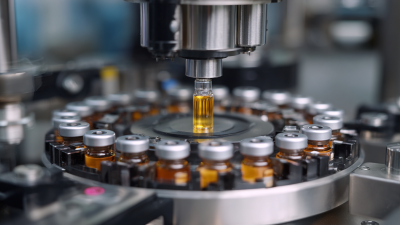
The equipment typically operates through a series of steps. Initially, vials are sterilized and fed into the filling machine. A filling nozzle then dispenses the product into each vial, carefully calibrated to maintain proper volume control. Some systems incorporate advanced technologies, like flow meters or weight measurement, to enhance accuracy. It's crucial to maintain optimal speeds to prevent spillage or air bubbles, which can compromise product quality.
However, challenges can arise. Equipment might experience jams or calibration errors. These issues can lead to inconsistent filling, affecting overall productivity. Regular maintenance is essential to address these concerns. Operators must be trained to identify and rectify problems promptly. Continuous monitoring and adjustments contribute to the reliability of the filling process, ensuring products meet industry standards and patient safety requirements.
What is Vial Filling Equipment and How Does It Work?
| Parameter |
Description |
Usage |
| Filling Volume |
Volume of liquid filled into each vial |
Pharmaceutical and biotechnology applications |
| Filling Speed |
Number of vials filled per minute |
Production efficiency and throughput |
| Accurate Dispensing |
Precision in liquid measurement |
Reduces waste and improves product quality |
| Automation Level |
Degree of machine automation (manual, semi-automated, automated) |
Cost-effectiveness and labor reduction |
| Cleaning and Maintenance |
Ease of cleaning and upkeep of equipment |
Ensures compliance with regulatory standards |
Benefits of Automated Vial Filling Systems in Production
Automated vial filling systems are transforming production efficiency across various industries. According to a report from Grand View Research, the global automated vial filling equipment market is expected to reach $2.3 billion by 2025. This growth highlights the increasing reliance on automation for precision and reliability in the pharmaceutical sector.
The key benefits of these systems include enhanced speed and accuracy. Automation reduces human error and ensures consistent fill volumes. In fact, studies indicate that automated systems can achieve fill rates of up to 99.5% accuracy. This level of precision is crucial for compliance with industry regulations. Such accuracy supports quality assurance in product development.
Tip: Regular maintenance checks can enhance system performance. Failure to address minor issues can lead to significant downtime.
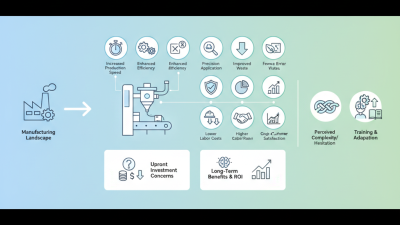
Employing automated vial filling systems also streamlines operations. They reduce labor costs and minimize the risk of contamination. However, implementing these systems comes with challenges, such as initial investment and staff training. Companies must weigh cost against potential long-term gains. Addressing this transition requires evaluating operational needs with available technologies.
Tip: Engage staff early in the transition process. Their insights can help refine workflows and enhance system integration.
Vial Filling Equipment Production Efficiency
This chart illustrates the efficiency of different vial filling systems based on the number of units filled per hour. As seen, fully-automated filling systems significantly outperform both manual and semi-automated systems, highlighting the advantages of automation in production operations.
Common Applications and Industries Using Vial Filling Equipment
Vial filling equipment plays a crucial role in various industries. It is commonly used in pharmaceuticals, nutraceuticals, and cosmetics. In the pharmaceutical sector, precise filling is essential. It ensures that medications are delivered accurately. This equipment helps maintain standards for safety and dosage. In the nutraceutical industry, it is used for vitamins and supplements. Consistent filling creates consumer trust.
Cosmetic manufacturers also rely on vial filling equipment. They use it for serums, oils, and creams. The need for hygienic processes is vital in this sector. Companies must juggle efficiency and safety. Often, the equipment must be adaptable for different products. This flexibility requires careful planning and consideration. Mistakes in filling can lead to significant losses.
Despite its importance, challenges exist in using vial filling equipment. Operators must be well-trained to handle this technology. Errors can occur if proper procedures are not followed. It's essential to continually assess and improve processes. This focus can enhance reliability and efficiency in production lines. Addressing these challenges contributes to better practices across industries.