What is a Wafer Roll Machine and How Does it Work?
The Wafer Roll Machine plays a crucial role in the snack food industry. According to a recent report by the Food Processing Association, the demand for wafer snacks has steadily increased. This growth highlights the need for efficient production equipment.
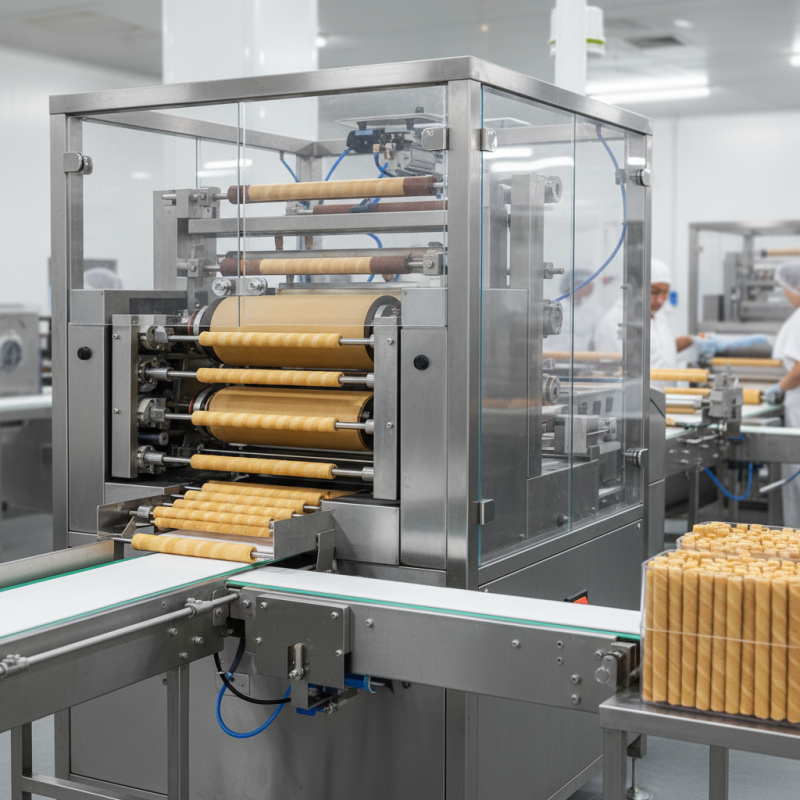
A Wafer Roll Machine is designed to automate the wafer-making process. It creates thin, crispy sheets that can be rolled into various shapes. These machines increase production efficiency and consistency. They can produce thousands of rolls per hour, catering to significant market demands.
However, this technology is not without challenges. Manufacturers must ensure quality control. Production inconsistencies can lead to waste and increased costs. Also, investment in this technology requires careful consideration. The benefits can be substantial, but the initial costs can be high. Understanding these factors is essential for optimal investment in a Wafer Roll Machine.
What is a Wafer Roll Machine?
A wafer roll machine is an essential device in the food industry. It creates thin, crispy wafers, ideal for snacks and desserts. The machine uses a mixture of flour, sugar, and other ingredients. This mixture is then baked until golden brown, creating a delicious, crunchy texture.
During the production process, the batter is poured onto hot plates. These plates can shape the product into rolls or flat wafers. As the mixture cooks, it becomes crisp. Once done, the wafer is rolled into a tube shape. The machine allows for various flavors and sizes, depending on the recipe used.
Tips: Monitoring temperature is crucial. Too hot or too cold can ruin the texture. Adjusting baking time can also be beneficial. A little experimentation goes a long way.
While wafer roll machines are efficient, they do require maintenance. Regular cleaning ensures the batter does not stick and become burnt. Neglecting this can lead to unwanted flavors in the final product. Observing the process is essential for quality control.
Components of a Wafer Roll Machine
A wafer roll machine is designed to produce delicious wafer rolls. Understanding its components offers insights into how it operates efficiently. The main parts include the batter mixer, baking plates, and cooling conveyor. Each element plays a crucial role in the final product's quality.
The batter mixer combines flour, sugar, and water. It creates a smooth mixture. This consistency is vital for even texture. The baking plates are heated, crucial for cooking the batter. The temperature control ensures that the rolls are perfectly brown. It's easy to overlook how temperature variations can affect the final taste.
Cooling conveyor belts help in the cooling process. They prevent moist buildup, which can ruin the texture. The design must ensure the rolls are cooled evenly. However, sometimes the machine may not cool quickly enough. Adjusting the temperature settings can be tricky. Continuous monitoring is essential for consistent results.
The intricate relationship between each component can lead to both successes and challenges in wafer roll production.
The Working Process of a Wafer Roll Machine
A wafer roll machine is a device designed to create delicate, crispy wafer rolls. Understanding its working process reveals the artistry behind this delicious snack. The machine typically consists of a mixing chamber, baking plates, and a cooling area.
The process begins with mixing the ingredients. Flour, sugar, and water combine in the mixing chamber. This step requires precise measurements. Too much or too little of an ingredient can affect taste and texture. Once mixed, the batter flows onto heated baking plates. These plates are critical for achieving the desired crispness. The batter spreads thinly as the plates close.
After baking, the rolls need to be shaped. A skilled operator guides the warm wafer onto a forming tool. Timing is essential here. If the wafer cools too much, it won’t roll properly. Sometimes, operators must tweak their techniques to perfect the shape. This part of the process showcases the blend of science and art in creating wafer rolls. Each machine might require regular adjustments, reminding operators of the delicate balance in production.
Applications of Wafer Roll Machines in Food Industry
Wafer roll machines play a significant role in the food industry. These machines are essential for the production of wafer rolls, a popular snack worldwide. In 2023, the demand for wafer products is projected to grow by 6% annually. This increasing demand showcases the potential for businesses to tap into this market.
The versatility of wafer roll machines allows manufacturers to produce various snacks. They can create sweet or savory textures to cater to different consumer preferences. For instance, wafer rolls filled with chocolate or cream are highly appealing. Additionally, savory options filled with cheese or spices are gaining traction. Data shows that 65% of consumers prefer innovative flavors, pushing companies to utilize wafer roll technology.
However, challenges remain in maintaining quality and efficiency. Machines require regular maintenance for optimal performance. A significant number of small enterprises struggle with this aspect, impacting their productivity. Investing in high-quality machinery can help, yet costs may deter some businesses. It's a balancing act between quality and affordability that needs addressing. The industry must keep innovating to overcome these obstacles.
What is a Wafer Roll Machine and How Does it Work? - Applications of Wafer Roll Machines in Food Industry
| Dimension | Description | Typical Value |
| Machine Type | Type of wafer roll machine used for production. | Automatic |
| Production Capacity | Quantity of wafer rolls produced per hour. | 2000 - 5000 rolls |
| Power Consumption | Amount of power required for operation. | 5 - 15 kW |
| Wafer Thickness | Thickness of each wafer roll produced. | 0.5 - 2 mm |
| Control System | Type of control system used for machine operations. | PLC Control |
| Material Used | Primary materials used for manufacturing wafers. | Flour, Sugar, Oil |
| Applications | Common uses of wafer rolls in the food industry. | Ice cream cones, Dessert wraps |
Maintenance Tips for Wafer Roll Machines
Maintaining a wafer roll machine is critical for optimal performance. Regular maintenance prevents unexpected downtime. Surveys indicate that machine malfunctions account for 30% of production delays in the wafer industry. This emphasizes the importance of consistent upkeep.
One vital step is daily inspections. Operators should check for any wear or damage. Components like the heating elements require particular attention. A worn-out element can lead to uneven cooking. This not only affects the final product but also leads to increased waste. Regular cleaning is equally essential. Build-up on the rollers can hinder the production process and impact the quality of the wafers.
Lubrication is another critical aspect. Properly lubricated parts operate more smoothly, reducing friction. Studies show that machines with appropriate lubrication can run up to 20% more efficiently. However, over-lubrication can lead to its own set of problems, such as contamination. Operators should find a balance to maintain optimal performance. Keeping a log of maintenance activities can help in identifying patterns and areas needing attention. Missing a small detail during maintenance can lead to larger issues down the line.