What Are Packaging Paper Bags?
Packaging Paper Bags are bags made mainly from paper-based materials and used to carry, protect, or present products. They range from small kraft pouches for bakery goods to sturdy handled bags used by shops. Simple in appearance. Their construction can vary considerably.
A bag’s performance depends on more than its paper. Paper weight, fiber quality, folds, seams, and handle attachment all affect strength. A flat-bottom design, for example, may help a bag stand upright on a counter. Yet a heavy item can still strain its base or handles. Buyers should match the bag to the product’s weight, shape, and expected handling conditions. Testing a filled sample is a practical step.
This guide explains common paper types, bag styles, printing options, and key selection factors. It also considers moisture resistance, storage, and end-of-life choices. Paper is not automatically the better option in every situation. Coatings, inks, contamination, and local recycling facilities can affect how a bag is handled after use. Details matter.
Packaging Paper Bags can support a clear brand presentation while serving a practical purpose. A visible kraft texture, neat folded top, or carefully placed logo can change how a package feels in a customer’s hands. Still, appearance should not replace function. A design may look excellent and perform poorly. This is easy to overlook. With realistic product details and basic testing, businesses can make more informed choices and avoid relying on assumptions alone.
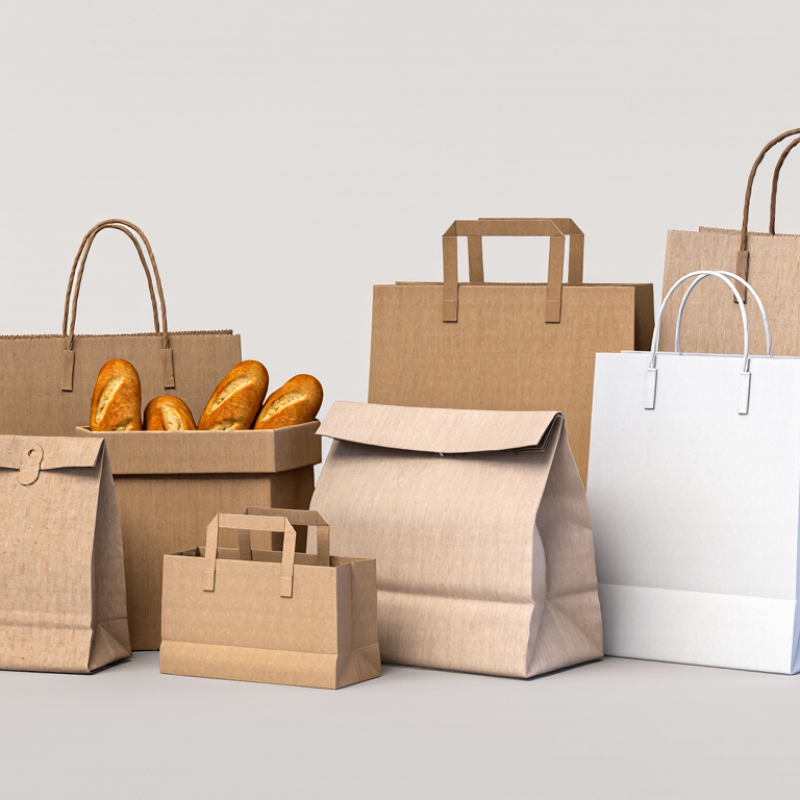
Definition and Key Features of Packaging Paper Bags
What Are Packaging Paper Bags?
Definition and Key Features of Packaging Paper Bags
Packaging paper bags are flexible containers made mainly from kraft or other paper grades. They hold, protect, and carry products, from bakery items to dry goods. Their defining features include a foldable structure, printable surface, and handles or gussets when the design needs them. Paper weight, seam strength, and moisture resistance determine how well a bag performs. Small details matter. A sharp bottom fold can help a filled bag stand upright, while weak seams may split under load.
The U.S. Environmental Protection Agency’s 2018 materials report estimated that paper and paperboard containers and packaging generated 41.9 million tons of waste, with 80.9% recycled. These figures cover many packaging formats, not paper bags alone, so they should not be read as a bag-specific recycling rate. Still, they show why material recovery is part of packaging design. Paper bags are often recyclable when clean and accepted by local programs. They can also crease, absorb moisture, and lose strength when wet. That trade-off is real.
Tips: Match bag size and paper weight to the product’s weight and handling conditions. Check the base and handle attachment with a filled sample, not an empty one. And confirm local recycling guidance; collection rules vary.
Materials Used in Packaging Paper Bags
Packaging paper bags are made mainly from cellulose fibers, with the blend chosen for strength, cost, and appearance. Kraft paper uses long wood fibers, which help a bag hold groceries or a stack of books without tearing at the folds. Recycled fibers can reduce demand for fresh pulp, though repeated recycling shortens fibers and may limit strength. The FAO’s 2022 forest-products statistics recorded about 401 million tonnes of paper and paperboard production worldwide, showing the scale of the material supply behind many everyday packages.
Other materials make the paper work. Starch-based adhesives join seams and attach handles; clay or mineral pigments can smooth and brighten the surface. Some bags use thin barrier coatings to resist grease or moisture, but these may affect how easily the bag can be recycled. The American Forest & Paper Association estimated that 65–69% of paper consumed in the United States was recycled in 2023. That figure covers paper broadly, not paper bags alone. A bag’s actual performance depends on fiber quality, handle design, and how heavily it is loaded. Even a sturdy-looking bag can fail at a damp, sharply folded base. That detail is easy to miss.
Common Types and Their Structures
Paper bags differ mainly in how their bottoms, seams, and walls carry weight. A square-bottom bag stands open on a shelf, making it useful for groceries and takeaway meals. Its folded base spreads the load across a wider area. A flat-bottom bag has a similar footprint but often includes reinforced side gussets. Small construction choices matter.
A pinch-bottom bag is formed from a flat tube with one end folded and glued shut. It suits lightweight items, but does not stand as steadily. Multiwall paper sacks use several plies, often with stitched or pasted closures, to hold heavier dry goods. A valve opening helps filling equipment feed material into the sack. The opening is then closed during handling. It is a practical detail, not a universal feature.
Walls may use kraft paper for strength, while coatings or liners can help resist moisture and grease. Handles are another structural choice: twisted-paper handles spread force across glued patches, while flat handles need less material. FAO’s 2022 Forest Products Yearbook reports roughly 401 million tonnes of paper and paperboard production worldwide that year. This is a broad material-sector figure, not a paper-bag total. A paper bag’s actual performance still depends on its paper grade, seams, contents, and exposure to damp conditions. That last point is easy to overlook.
How Packaging Paper Bags Are Made
What Are Packaging Paper Bags?
How Packaging Paper Bags Are Made
Making a packaging paper bag starts with paper, often produced from wood pulp or recovered fibers. The fibers are mixed with water to form a slurry, then cleaned to remove unwanted materials. The mixture spreads across a moving screen, where water drains away and a thin sheet begins to form. Heated rollers dry and smooth it. The finished paper is wound into large rolls.
Next, converters cut the rolls into sheets or feed them directly into bag-making equipment. Machines fold the paper, form the bottom, and apply adhesive along selected seams. A flat bottom helps the bag stand, while twisted or flat paper handles can be attached for carrying. Some bags receive printed designs before converting; others remain plain. Small changes in paper thickness can affect how well folds hold.
Quality checks matter. Workers may inspect glue lines, handle placement, dimensions, and sample bags under load. Recycled fibers can vary, so identical settings do not always produce identical results. The process sounds tidy, but real production can involve adjustments. A bag may look sturdy and still tear at a poorly bonded seam. That detail is easy to miss.
What Are Packaging Paper Bags? How They Are Made
A typical production sequence, from paper preparation to finished-bag inspection.
Paper is formed into sheets or rolls, then printed and converted into bag shapes. The bottom is folded and glued; handles may be added depending on the bag design. Materials and exact production steps vary by product.
Uses and Selection Factors for Packaging Paper Bags
Packaging paper bags are paper-based carriers used to protect, hold, or present goods. Grocery shops use them for produce and dry foods; retailers choose smaller bags for clothing, books, and takeaway items. A flat-bottom bag can stand beside a checkout, while twisted-paper handles make heavier purchases easier to carry. Useful details. But paper alone is not enough: a damp bottle or oily pastry can weaken an untreated bag.
Choose a bag by matching its construction to the job. Check expected load, bag dimensions, handle strength, and exposure to moisture or grease. For example, a bag carrying flour needs a secure base; one holding warm food may need suitable food-contact materials and ventilation. Printing and coatings affect appearance and end-of-life options, so ask suppliers what the paper and any barrier layers contain. The American Forest & Paper Association estimated a U.S. paper recycling rate of 65–69% in 2023. That figure covers paper broadly, not every bag or local collection system. A coated or food-soiled bag may not be accepted nearby. Confirm local sorting guidance before choosing a format, and test samples with the actual product; specifications can look reassuring until a handle tears.