
Automated Dispensing Robot Videos

A World of Robotic Dispensing and Assembly Solutions

Why Choose Aluminium Takeaway Containers?

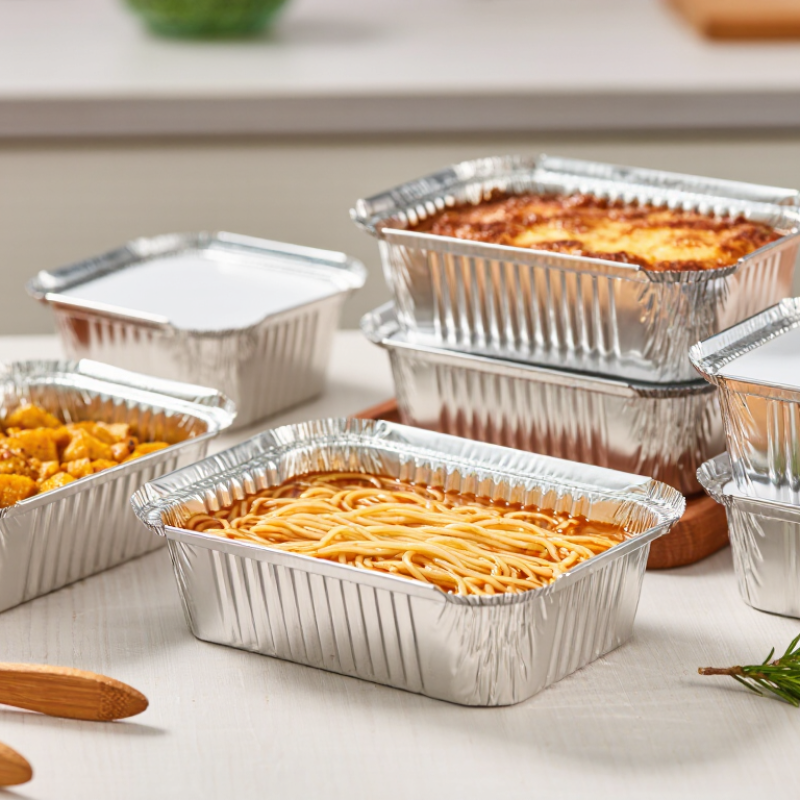
Aluminium Takeaway Containers are valued for their light weight, sturdy shape, and ability to handle hot meals. They can carry oily noodles, roasted vegetables, or a bubbling portion of lasagna without sagging like thin paper packaging. Their close-fitting lids also help keep meals contained during delivery. Practical details matter.

The International Aluminium Institute reports that about 75% of all aluminium ever produced remains in use today, reflecting the metal’s long recycling history. European Aluminium describes aluminium as a “permanent material,” a phrase associated with the industry’s view that it can be recycled repeatedly without losing its essential properties. Gerd Götz, former director general of European Aluminium, has discussed this material quality. Recycling outcomes still depend on collection and sorting systems; a container is not recycled simply because it can be recycled.

There are trade-offs. Aluminium containers may cost more than some alternatives, and their performance depends on the meal, lid, and handling conditions. They are not a perfect fit for every menu. For caterers and food-service operators, the choice comes down to more than appearance: heat retention, leak resistance, stacking, and local recycling options all deserve attention. This guide examines why Aluminium Takeaway Containers remain a practical option, and where their limitations should shape the decision.
Why Choose Aluminium Takeaway Containers?

What Aluminium Takeaway Containers Are and How They Are Made

Why Choose Aluminium Takeaway Containers?

What Aluminium Takeaway Containers Are and How They Are Made

Aluminium takeaway containers are thin, shaped vessels made from rolled aluminium sheet. They are lightweight but hold their shape, with raised rims and crimped edges that help secure lids. It starts as sheet. Manufacturers feed the metal into a press, where a die forms the base and sides. The edges are trimmed, and some containers receive a coating for specific foods or heating needs. The finished surface feels smooth, though the corners may be sharply defined.

The International Aluminium Institute’s aluminium recycling data estimates that recycling aluminium uses about 5% of the energy required to produce primary metal. That makes recycled content valuable, but the container’s end-of-life depends on local collection and sorting. Food residue or attached materials can complicate recovery. Recyclable does not mean automatically recycled. That detail deserves attention.

Tips: Check that the container suits the food and heating method. Remove leftover food when practical, and follow local recycling guidance. Small habits help, but they cannot fix gaps in collection systems.

How Aluminium Containers Protect Food During Storage and Transport

Aluminium takeaway containers help protect food by blocking light, air, and moisture. That barrier can help preserve aroma and limit drying during storage. It is useful for saucy dishes, roasted vegetables, and baked foods. The rigid sides also help prevent meals from being crushed when containers are stacked. A snug lid matters. The container itself cannot stop spills if its lid fits poorly or it is overfilled.

During transport, a firm base helps keep food steady on the way from kitchen to customer. Aluminium can handle hot food, but heat retention depends on the container’s thickness, lid fit, and travel time. It does not replace proper temperature control. Perishable meals still need prompt delivery and safe holding temperatures. Steam can soften a crisp pastry inside a tightly closed container, so protection may come with a texture trade-off.

For storage, close the lid and refrigerate food promptly when needed. Keep raw and ready-to-eat foods separate, and label containers with preparation times. Avoid sharp impacts, and leave room for liquids to expand if freezing. Recycling options vary by local collection systems, and food residue can affect sorting. A lid that sits unevenly can undo much of the container’s practical protection.

Key Benefits for Heating, Serving, and Taking Food Away

Aluminium takeaway containers are useful when a meal needs to move from kitchen to customer without losing its shape. Their light weight makes several portions easier to carry, while the firm sides help protect soft foods such as baked pasta or roasted vegetables. They also stack neatly, which matters when counter space is limited. Still, no container is perfect.

For heating, aluminium transfers heat efficiently, helping food warm evenly in a conventional oven when the container is designed for oven use. Check the packaging instructions before reheating, and remove any lid that is not oven-safe. Aluminium containers should not go in a microwave unless the appliance and container instructions explicitly allow it. Take care when handling them after heating; the thin metal can become very hot, and the rim may feel sharp.

At the table, the container can serve directly, reducing the need to transfer food onto another dish. That can mean fewer dishes to wash, though a proper plate may still feel better for a relaxed meal. For takeaway, a close-fitting lid helps limit spills during a short trip, but it cannot prevent leaks if the food is very liquid or the container tilts. Keep it level, and let hot food vent briefly before sealing when appropriate.

Why Choose Aluminium Takeaway Containers? - Key Benefits for Heating, Serving, and Taking Food Away

Consideration Key Benefit or Property Practical Use Important Note
Oven heating Aluminium conducts heat efficiently and many aluminium food containers are suitable for conventional ovens. Useful for reheating or cooking food in an oven when the container is marked as oven-safe. Check the container’s instructions, remove any lid that is not oven-safe, and use care when handling the hot container.
Microwave use Standard metal containers are generally not suitable for microwave ovens. Transfer food to a microwave-safe dish unless the container and appliance instructions explicitly permit microwave use. Metal can reflect microwaves and may cause arcing or damage in some situations. Follow the microwave manufacturer’s guidance.
Heat transfer Aluminium transfers heat readily, which can help food heat evenly in an oven. Suitable for oven-based preparation and serving where quick heat transfer is useful. The container itself can become hot; use oven mitts and place it on a heat-resistant surface.
Serving and presentation Containers can hold and serve food in the same dish, reducing the need to transfer food to another serving container. Convenient for prepared meals, baked dishes, and takeaway portions. Choose a suitable size and shape for the portion and the type of food being served.
Transport Rigid containers help hold their shape during handling and can be paired with fitted lids. Useful for packing meals for takeaway or delivery. Leak resistance depends on the container design, lid fit, and food. Keep liquid foods upright and secure the lid properly.
Weight and storage Aluminium containers are lightweight and can often be nested when empty. May make handling and storage more convenient for food-service operations. Stacking suitability depends on the container’s shape and strength; avoid overloading nested or stacked containers.
Food contact Food-contact containers are made for holding food when used as intended. Suitable for packing a wide range of meals according to the product’s stated use. Prolonged contact with highly acidic or salty foods may affect aluminium. Follow product guidance and consider a suitable barrier or alternative container when needed.
Recycling Aluminium is recyclable, and clean aluminium packaging may be accepted in recycling programs. Recycling can be an option after use where local facilities accept the container. Acceptance varies by location. Check local rules and remove food residue where required.

Recycling and Environmental Considerations

Why Choose Aluminium Takeaway Containers?

Recycling and Environmental Considerations

Aluminium’s environmental value depends not just on the container, but on what happens after a meal. The International Aluminium Institute reports that recycled aluminium production uses about 5% of the energy required to produce primary aluminium. The Aluminum Association estimates recycling saves roughly 95% of that energy. A substantial difference. These figures concern metal production, not the full footprint of a takeaway meal; transport, container weight, and disposal also matter.

A clean foil tray may be accepted in household recycling, but local rules vary. Remove leftover food first. Greasy or sauce-coated containers may be rejected by some facilities. Small lids and tightly crumpled pieces can also be missed by sorting equipment. Check municipal guidance instead of assuming every metal item follows the same route. Details matter.

For food businesses, containers that separate easily from plastic lids can make recovery more practical. Aluminium scrap has value, which can encourage collection, but recycling is never automatic. A recyclable label cannot guarantee a second life. Industry data makes a strong case for recovering the metal; the outcome still depends on local collection and sorting. And convenience creates waste, too. Better design helps, but it does not solve everything.

How to Choose the Right Container for Different Meals

Choose the container around the meal’s texture, weight, and journey time. Deep-sided pans with secure, tested lids suit curry, noodles, and other saucy dishes. Leave space below the rim to reduce spills. For fries or fried chicken, use a shallower tray and a vented lid; trapped steam can soften crisp coatings. A small detail, but it matters.

Baked pasta and roasted portions need a rigid, oven-rated tray that can handle the meal’s weight. Check the supplier’s temperature guidance rather than assuming every aluminium container is oven-safe. For tomato- or citrus-heavy food, confirm that the food-contact surface is suitable. USDA Food Safety and Inspection Service guidance recommends keeping hot food at 140°F or above; packaging alone may not hold that temperature during a long delivery, so transport time and insulation matter.

Waste matters, too. The International Aluminium Institute reports that roughly 75% of all aluminium ever produced remains in use, but that figure does not guarantee a takeaway tray will be recycled locally. Clean trays may be accepted in some recycling systems; food residue and local rules can change the answer. It is easy to focus only on recyclability. In practice, a leak-resistant fit and the right venting may protect the meal better.