
Automated Dispensing Robot Videos

A World of Robotic Dispensing and Assembly Solutions

Why Choose TRV Radiator Valves for Your Heating System?

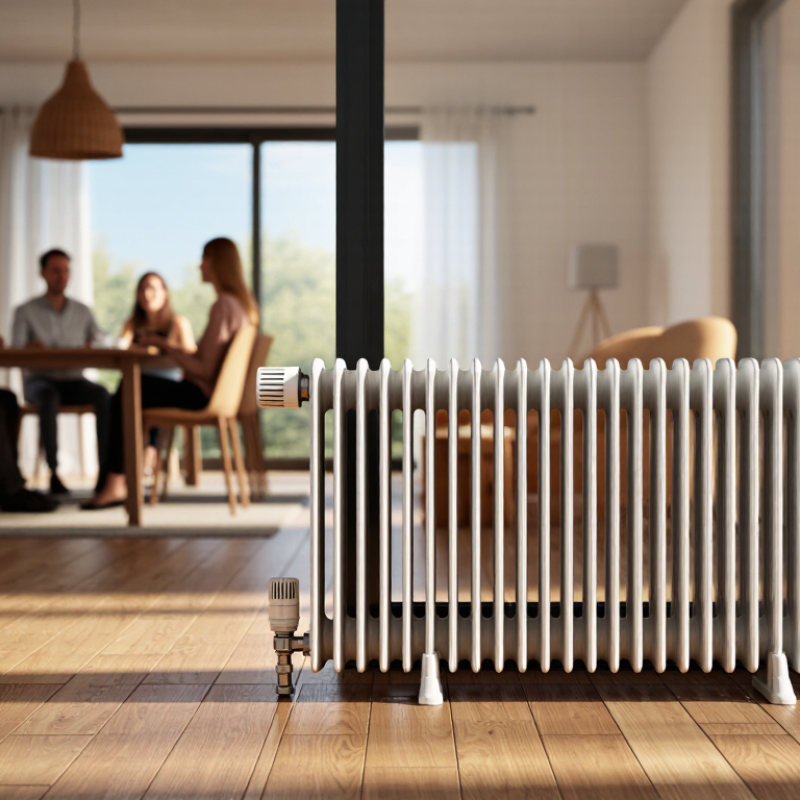
Trv Radiator Valves give you room-by-room control over radiator heat. A small sensor head sits beside each radiator, responding as the room warms or cools. When sunlight falls across a living-room floor or several people gather around a table, the valve can reduce hot-water flow to that radiator. The result is more tailored comfort than a single thermostat can usually provide.

Hydronic-heating engineer John Siegenthaler’s published work emphasizes matching heat delivery to a building’s changing needs. That principle helps explain the appeal of TRVs: they can limit overheating in rooms that warm quickly while allowing cooler spaces to keep receiving heat. No gadget fixes every system. Pipe layout, boiler controls, radiator sizing, and valve placement all matter. A valve hidden behind a heavy curtain may sense trapped warmth, not the room’s true temperature.

The practical details are easy to overlook. Check that each valve fits the radiator connection, leave its sensor exposed to room air, and avoid setting every room to the same number by habit. Small adjustments can make a noticeable difference. So can patience. TRVs may improve comfort and help reduce unnecessary heating, but results depend on the installation and the home. Their value is real, though not automatic. A careful setup—and a willingness to review it after a cold week—makes the choice more worthwhile.
Why Choose TRV Radiator Valves for Your Heating System?

How TRV Radiator Valves Work

A thermostatic radiator valve (TRV) adjusts the hot-water flow through one radiator as room temperature changes. Inside its head, a temperature-sensitive capsule expands as the surrounding air warms and presses a pin toward the valve seat. This restricts the flow. When the room cools, the capsule contracts, allowing more hot water into the radiator. It works quietly.

The numbered dial sets an approximate temperature range, not a precise reading. A setting of three may feel different from one room to another. Sunlight, cooking, and a nearby open door can affect what the valve senses. Heavy curtains or furniture can trap warm air around the TRV, causing it to reduce flow before the rest of the room feels comfortable. Small details matter.

A TRV controls its radiator, not the whole heating system. In a multi-room home, separate settings can help avoid heating spaces that are already warm. The valve may take time to respond, and it cannot fix poorly balanced radiators or a faulty boiler. I have found that changing the dial repeatedly makes it harder to judge the result. Adjust it gradually, then give the room time to settle.

Key Components and Temperature-Control Features

A TRV has three working parts: a temperature-sensing head, a valve body, and a small pin that regulates water flow. The head usually contains liquid or wax that expands as room air warms. It presses the pin inward, reducing hot-water flow through the radiator. As the room cools, the material contracts and the valve opens again. Simple, but precise.

The control is local, not a substitute for boiler settings or a balanced heating system. Eurostat’s 2022 household-energy data report that space heating accounted for 62.5% of EU household energy use, making room-level control relevant to a major load.

A TRV responds to the air near its sensor, so curtains, furniture, or a nearby heat source can distort its reading. Keep the head exposed, and avoid placing it behind a heavy drape.

In practical checks, a stuck pin is easy to miss; a radiator may stay cold even when the dial is turned up. Small parts matter.

A setting marked “3” is only an approximate comfort reference, not a guaranteed room temperature. Real rooms vary, and that limitation deserves attention.

Benefits for Comfort and Energy Efficiency

Why Choose TRV Radiator Valves for Your Heating System?
Benefits for Comfort and Energy Efficiency

A thermostatic radiator valve (TRV) adjusts hot-water flow through a radiator as the room approaches its chosen temperature. This lets a bedroom stay cooler while a living room remains warm. Less overheating can mean less wasted heat, although results depend on insulation, boiler settings, and how occupants use each room. No room is identical. A TRV improves control, but it cannot fix draughty windows or an unbalanced heating system.

The energy stakes are substantial. The International Energy Agency’s Tracking Buildings 2023 report says buildings account for about 30% of global final energy consumption. That figure covers buildings broadly, not TRVs specifically; it shows why practical heating controls matter. Room-level adjustment can also reduce the need to heat unused spaces. In daily use, comfort is tangible: fewer stuffy afternoons, and a cooler bedroom at night. Still, settings may need patience and adjustment.

Tips: Keep the valve sensor clear of curtains and furniture so it can read room temperature accurately. Set a comfortable target rather than turning the dial to maximum; that usually will not warm the room faster. Check that the main room thermostat and TRVs are not competing for control.

Why Choose TRV Radiator Valves for Your Heating System? – Benefits for Comfort and Energy Efficiency

Dimension TRV Radiator Valve Manual Radiator Valve Practical Benefit
How it operates Senses the air temperature near the valve and adjusts hot-water flow through the radiator. Opens or restricts radiator flow according to a user-selected setting; it does not automatically respond to room temperature. Room temperature can be regulated with less frequent manual adjustment.
Room-by-room control Allows each fitted radiator to respond to the temperature around its own sensor. Requires occupants to adjust the valve when room conditions or needs change. Different rooms can be kept at different comfort levels, where the heating system permits.
Response to room warming Can reduce radiator flow as the sensed room temperature approaches the selected setting. Continues at its manually set position until someone changes it or the heating system stops supplying heat. May help limit unnecessary heating when a room gains heat from sunlight, cooking, or occupants.
Energy use Can help avoid overheating by reducing heat delivery to rooms that have reached their settings. Can also manage heat when adjusted carefully, but does not automatically respond to changing room temperature. Potential savings depend on settings, occupancy, insulation, controls, and how the heating system is operated; savings are not guaranteed.
Temperature-setting limits Controls radiator output based on its local sensor; it cannot provide heat when the system is not supplying hot water. Also depends on the heating system and available hot-water temperature. A TRV is a room-level control, not a replacement for the boiler or central heating controls.
Sensor placement Works best when the sensor is not covered by curtains or furniture and can sense room air accurately. Does not use an automatic room-temperature sensor for its adjustment. Correct placement helps the TRV respond more reliably to the room’s temperature.
Best suited to Rooms where automatic temperature regulation and room-by-room adjustment are useful. Rooms where a simple manually adjusted flow control is sufficient. The suitable option depends on household preferences, system compatibility, and installation requirements.

Choosing TRVs for Different Heating Systems

Choosing TRVs for Different Heating Systems

A thermostatic radiator valve works best when it matches the system and radiator connection. In a typical two-pipe hot-water system, each radiator receives water through its own supply pipe, so a compatible TRV can regulate room temperature locally. Check the valve size, pipe layout, and flow direction before buying. Small mismatches can cause leaks or poor control. That matters.

One-pipe systems need extra care because water may pass through radiators in sequence. A standard valve could restrict circulation to other rooms. Ask a qualified heating professional to confirm the correct valve arrangement. For steam heating, use only valves designed for steam; hot-water TRVs are not automatically suitable. Electric radiators usually need compatible electronic controls rather than a plumbing valve. The details vary, and a quick visual guess is not enough.

Tips: Check the existing valve and pipe connections, then compare them with the TRV specifications. Keep the valve’s sensor clear of curtains and furniture; trapped warm air can make it misread the room. If the radiator heats unevenly after installation, system balancing may be needed. Measure twice.

Installation, Adjustment, and Maintenance

A thermostatic radiator valve (TRV) works best when its sensor can read the room air. Fit the valve as directed for your heating system, checking the flow arrow and keeping the control head clear of curtains and furniture. Turn off and cool the system before work; some replacements require draining part of the circuit, so an experienced installer may be needed. Not too tight. A damaged valve or trapped air can leave a radiator cold, even when the dial is turned up.

Adjustment takes patience. Start with a moderate setting, then wait several hours before changing it; radiators do not warm a room instantly. The dial is a guide, not a precise thermometer, and a sunny room may need a lower setting than a north-facing one. The International Energy Agency’s 2023 Buildings analysis puts buildings at about 30% of global final energy use. That figure is a reminder that small controls matter, though it does not promise a particular saving from TRVs.

Check the valve and radiator before each heating season. Turn the head through its range and look for leaks, stiffness, or uneven heating. If a radiator stays cold, bleed it only when appropriate for your system, then check the pressure if your boiler requires it. A stuck pin can sometimes be freed gently after removing the head, but forcing it may cause damage. I find this part easy to rush; waiting and checking again is less satisfying, but usually wiser.

Why Choose TRV Radiator Valves for Your Heating System?

Example room temperature setpoints to guide TRV adjustment

Thermostatic radiator valves (TRVs) let you adjust radiator heat room by room. These example setpoints are not universal standards; choose settings that suit your home and comfort. NHS guidance advises keeping rooms used by older people or those with health conditions at least 18°C.