
Automated Dispensing Robot Videos
A World of Robotic Dispensing and Assembly SolutionsWhy Choose a Vial Filling Machine?
Choosing a Vial Filling Machine is a practical decision about product protection, repeatability, and production control. In a busy fill-finish area, operators handle small containers, monitor fill volumes, and manage changeovers under strict cleanliness requirements. Manual work may suit limited batches, but it can become harder to maintain consistent output as volumes rise. Automation can help, though it does not remove the need for trained staff or careful process validation.
Industry data offers useful context, not a guarantee of equipment performance. Grand View Research estimated the global pharmaceutical packaging market at USD 128.3 billion in 2023 and projected a 6.6% compound annual growth rate from 2024 to 2030. That estimate reflects broad packaging demand; it does not prove that every facility needs an automated filling line. The FDA’s guidance on aseptic processing also underscores the importance of facility design, personnel practices, and process controls. Details matter.
A well-matched machine can support accurate dosing, reduce routine handling, and make production records easier to review. Buyers should compare vial sizes, target output, filling technology, cleaning needs, and integration with stoppering or inspection equipment. Ask vendors for documented performance under conditions close to your own. A polished demonstration is not enough. Even reliable systems need maintenance, operator training, and realistic plans for downtime. The right choice depends on the product, workflow, and evidence—not just the fastest quoted cycle rate.
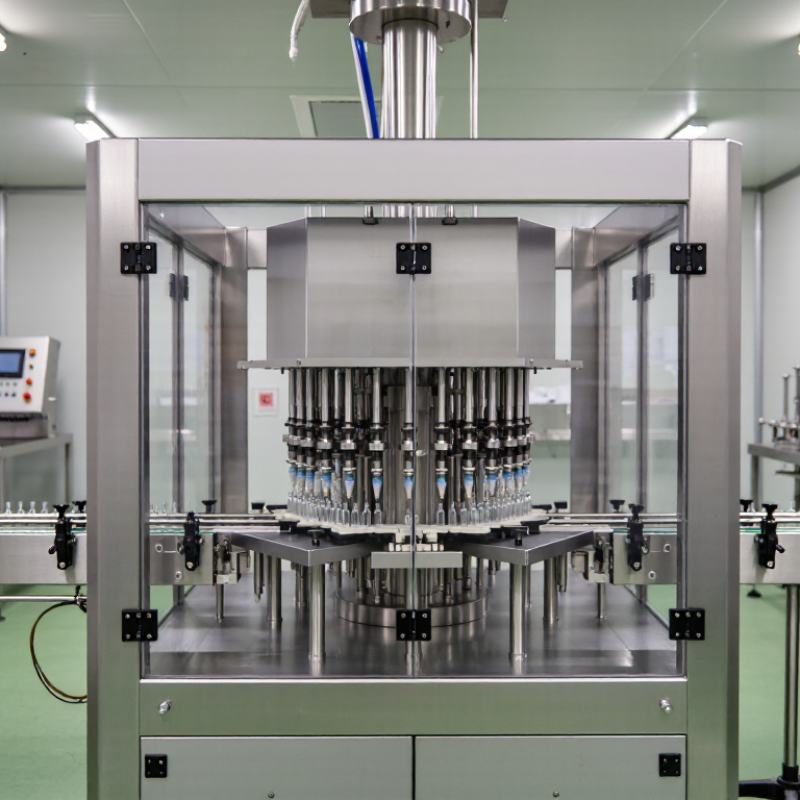
What a Vial Filling Machine Is and What It Does
A vial filling machine is equipment that dispenses a measured amount of product into small glass or plastic containers. It may use pumps, pistons, or other dosing systems, depending on the liquid and the required fill volume. Some configurations also handle powders, but not every machine is designed for that task.
In operation, empty vials are positioned beneath filling nozzles, then receive a controlled dose. Many lines also include steps such as vial indexing, stopper placement, or cap application. The exact sequence depends on the product and production setup. Small details matter. A nozzle set too high can cause splashing; inconsistent vial positioning may affect fill accuracy. Operators check settings, monitor the line, and inspect samples during runs. In controlled environments, equipment design and cleaning procedures help support hygienic processing, but the machine alone cannot guarantee product quality. Calibration and documented checks remain important. No setup is perfectly effortless; changeovers can take longer than expected, especially when vial sizes or product properties differ. That practical limitation is worth planning for.
Why Choose a Vial Filling Machine? - What a Vial Filling Machine Is and What It Does
| Process Stage | What the Machine Does | Typical Equipment or Function | Why It Matters |
|---|---|---|---|
| Vial feeding and positioning | Moves vials into the filling area and presents them in a controlled position. | Infeed conveyor, turntable, indexing system, or star wheel, depending on the machine design. | Supports an orderly, repeatable flow of containers through the filling process. |
| Container preparation | May rinse or wash vials before filling. Some pharmaceutical lines also use depyrogenation equipment as a separate process step. | Vial washer or other configured container-preparation equipment. | Helps prepare containers for the intended product and manufacturing process. |
| Filling | SondexMachiness a measured quantity of liquid into each vial. | Product tank or supply line, filling nozzles, and a dosing system such as a peristaltic pump or piston-based mechanism. | Consistent dosing helps meet the product’s specified fill volume. The suitable dosing method depends on the liquid and process requirements. |
| Stopper placement | Places a stopper into or onto the vial opening after filling, when included in the line. | Stopper feeder and placement or insertion mechanism. | Prepares the vial for closure and helps protect the filled product from exposure. |
| Cap application | Applies and secures a cap over the stopper on compatible vial formats. | Cap feeder and crimping or other closure mechanism, depending on the closure type. | Completes the container closure step and supports a secure package. |
| Inspection and rejection | May check filled or closed vials and remove units that do not meet configured criteria. | Optional sensors, cameras, checkweighing equipment, or reject mechanism. | Provides an additional process-control step; inspection capability depends on the machine configuration. |
| Controls and changeover | Coordinates machine operations and allows setup for specified vial and product formats. | Control system, operating interface, format parts, and recipe or parameter settings where provided. | Helps operators manage the process and adapt the equipment to compatible products and containers. |
A vial filling machine is equipment designed to dispense product into vials. Washing, stopper placement, capping, and inspection may be integrated or handled by separate machines. Capabilities depend on the selected configuration, container, product, and process requirements.
Related Posts
-
2026 Top Vial Filling Machine Types for Global Buyers
-
What Is the Best Vial Filling and Sealing Machine in China?
-
What is a Vial Filling and Sealing Machine and Its Role in Efficient Production
-
China Top Silicone Dispensing Machine Manufacturers?
-
Unlocking Value: The Best Glue SondexMachinesr Machine Prices for Global Buyers
-
Top 10 Vial Sealing Machine Manufacturers from China at the 137th Canton Fair